Hyundai Kona: Buy Score, Reliability & Ownership Costs
Subcompact Crossover · SUV
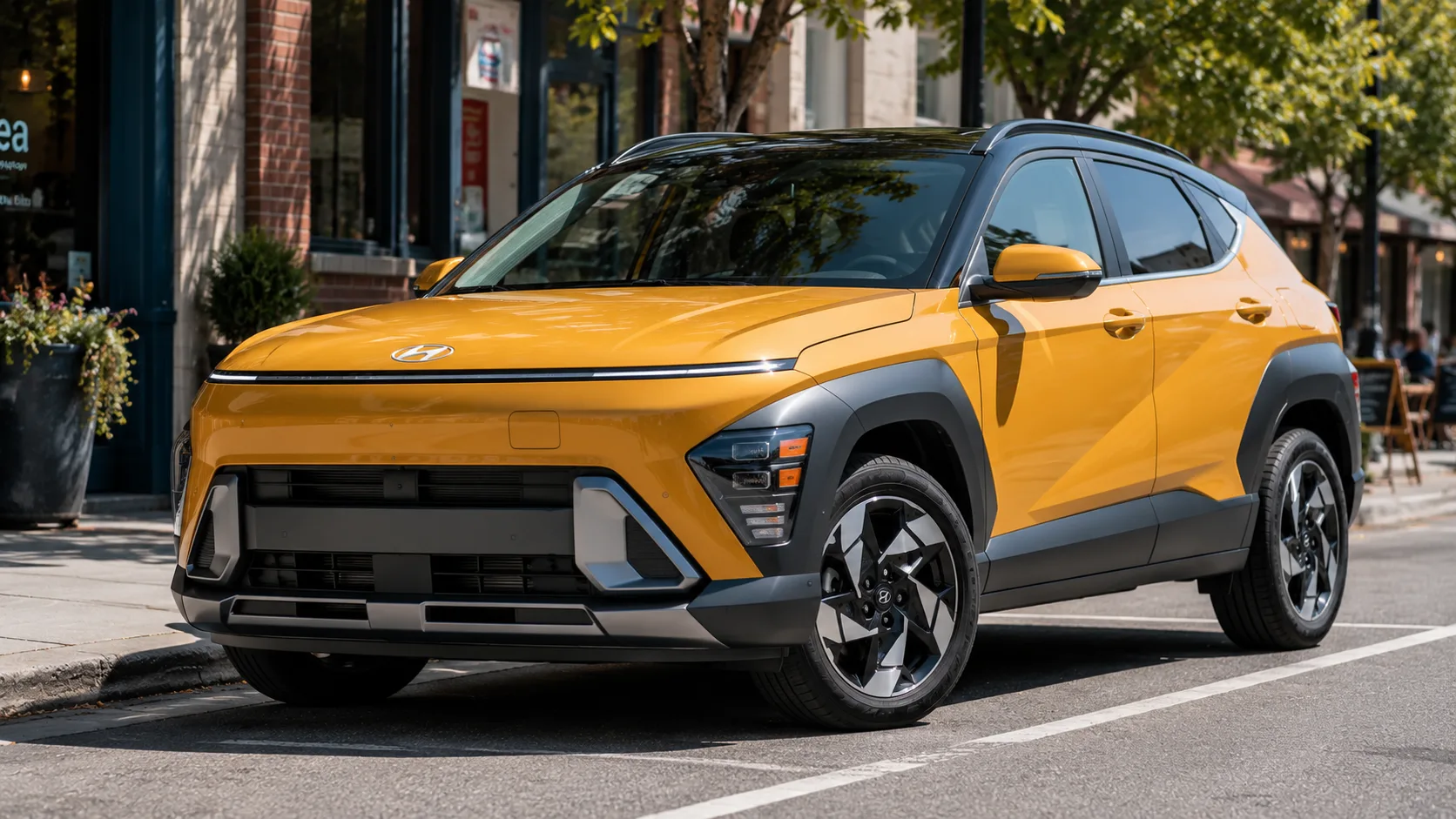
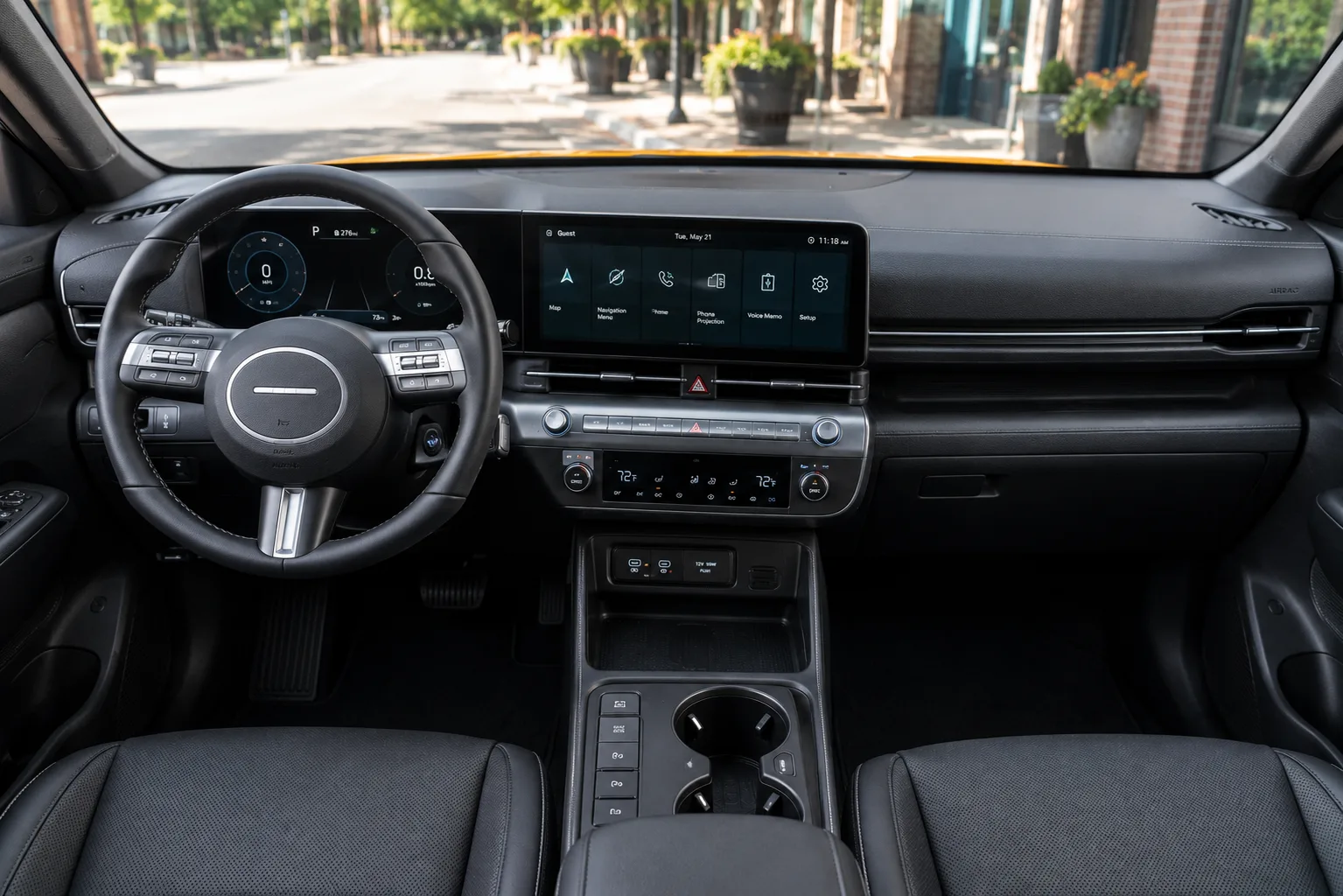
Our Verdict
Based on model-specific reliability data, ownership costs, and longevity signals.
Buy Score™
Pros
- Kona-specific RepairPal repair cost ($449) is below both the Hyundai brand average and most subcompact-crossover rivals
- iSeeCars shows solid 5-year value retention (42.2% depreciation) for the segment
- A separate Kona Electric variant exists for buyers who want an EV in this body style (reviewed separately)
- Roomy for its footprint, with a low, easy step-in height
Cons
- RepairPal specifically flags the 1.6L turbo/DCT powertrain as less reliable than the base 2.0L/CVT — pay attention to which engine you're buying
- AWD costs an extra $1,500 across the lineup
- Some pre-2023 Konas were part of the widely reported Hyundai/Kia theft-vulnerability recall — irrelevant to a new 2026 model but worth checking on a used one
Can this car reach 300,000 miles?
Likely
RepairPal reports a Kona-specific annual repair cost ($449) below the Hyundai brand average, though it notes reliability varies meaningfully by powertrain — the 1.6L turbo/DCT combination scores lower than the base 2.0L/CVT setup.
First-Time Buyer Friendly
82/100Simple controls, predictable running costs, and forgiving handling make this an easy first car.
Reliability Timeline
What tends to need attention, and when — based on model-specific reliability data.
30,000 miles
60,000 miles
100,000 miles
150,000 miles
200,000+ miles
What It Actually Costs to Own
One of the cheaper subcompact crossovers to run day to day — just be aware the turbo/DCT trims carry a somewhat weaker reliability track record than the base engine.
Full Specifications
Check for open recalls before you buy
We don't yet have a live recall feed wired up for the Hyundai Kona, so we won't guess at a number here. Before you buy any specific Kona, run its VIN throughNHTSA's free recall lookup tool— it takes about 30 seconds and confirms whether that exact vehicle has any open, unrepaired safety recalls.
Similar Vehicles

Sources: Kona-specific RepairPal annual repair cost ($449, below the $468 Hyundai brand average) and the 1.6T/DCT-vs-2.0L/CVT reliability gap: repairpal.com/hyundai/kona (live lookup, 2026). 2026 MSRP ($25,350-$30,000+), trims, and engine/mpg specs: truecar.com and spitzerhyundaicleveland.com 2026 Kona pricing pages (live lookup, 2026). iSeeCars 5-year depreciation (42.2%): iseecars.com Kona resale-value and Kona-vs-Ioniq 5 comparison pages (live lookup, 2026). Hyundai/Kia theft-vulnerability recall and 2023 immobilizer standardization: nhtsa.gov press release (live lookup, 2026).