Vehicle Reviews & Buy Scores
Every vehicle we review gets the same treatment: a single Buy Score, a plain-language Buy/Consider/Avoid verdict, and a mileage-by-mileage look at what tends to go wrong and when. No 10-point rating scales that mean something different on every site, no marketing copy — just what the data says about whether this specific car is a smart purchase.
Showing 100 vehicles, ranked by Buy Score™. More reviews are added regularly.
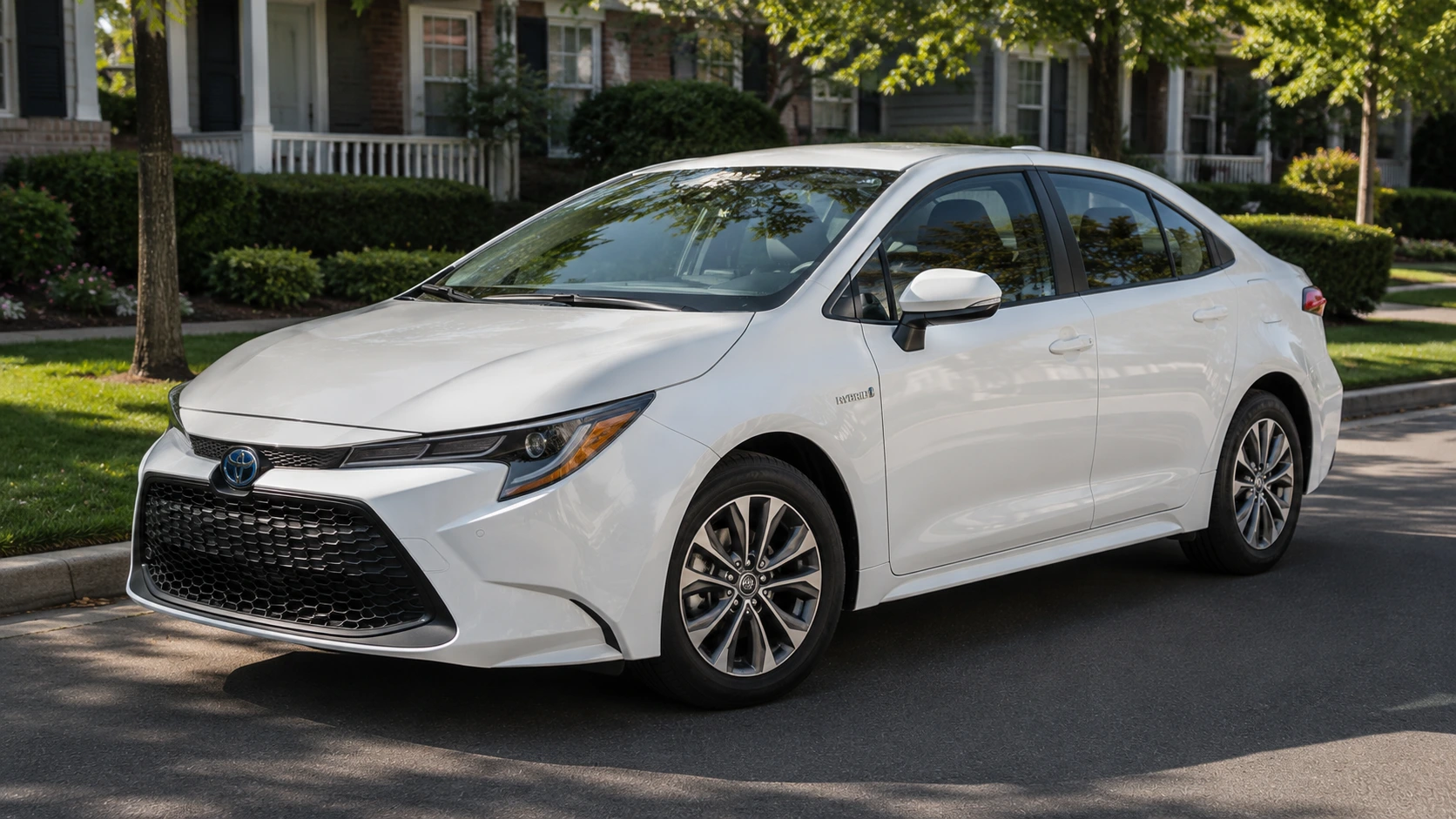
2026 Toyota Corolla Hybrid
$25,770–$30,535
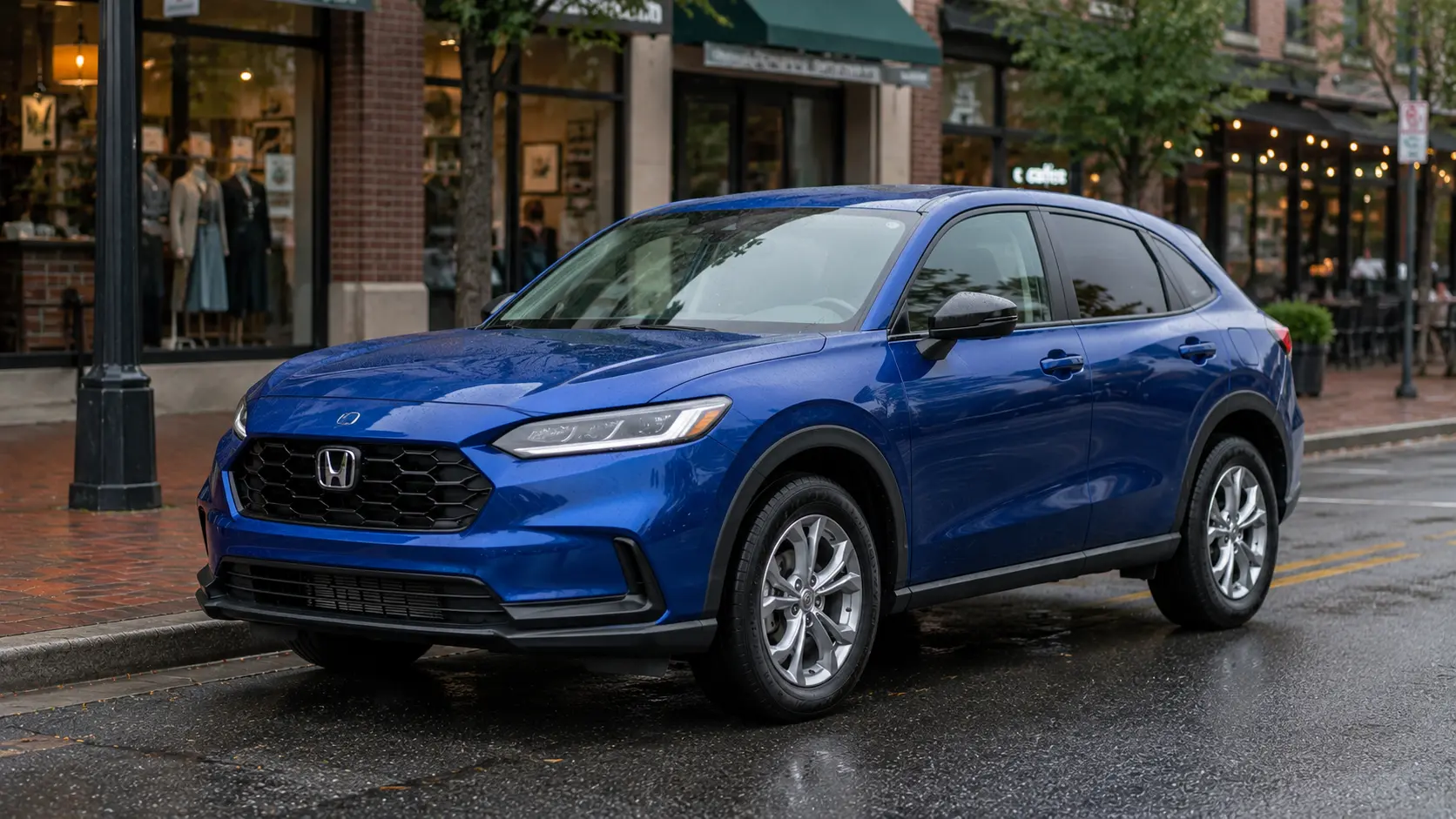
2026 Honda HR-V
$24,500–$29,000
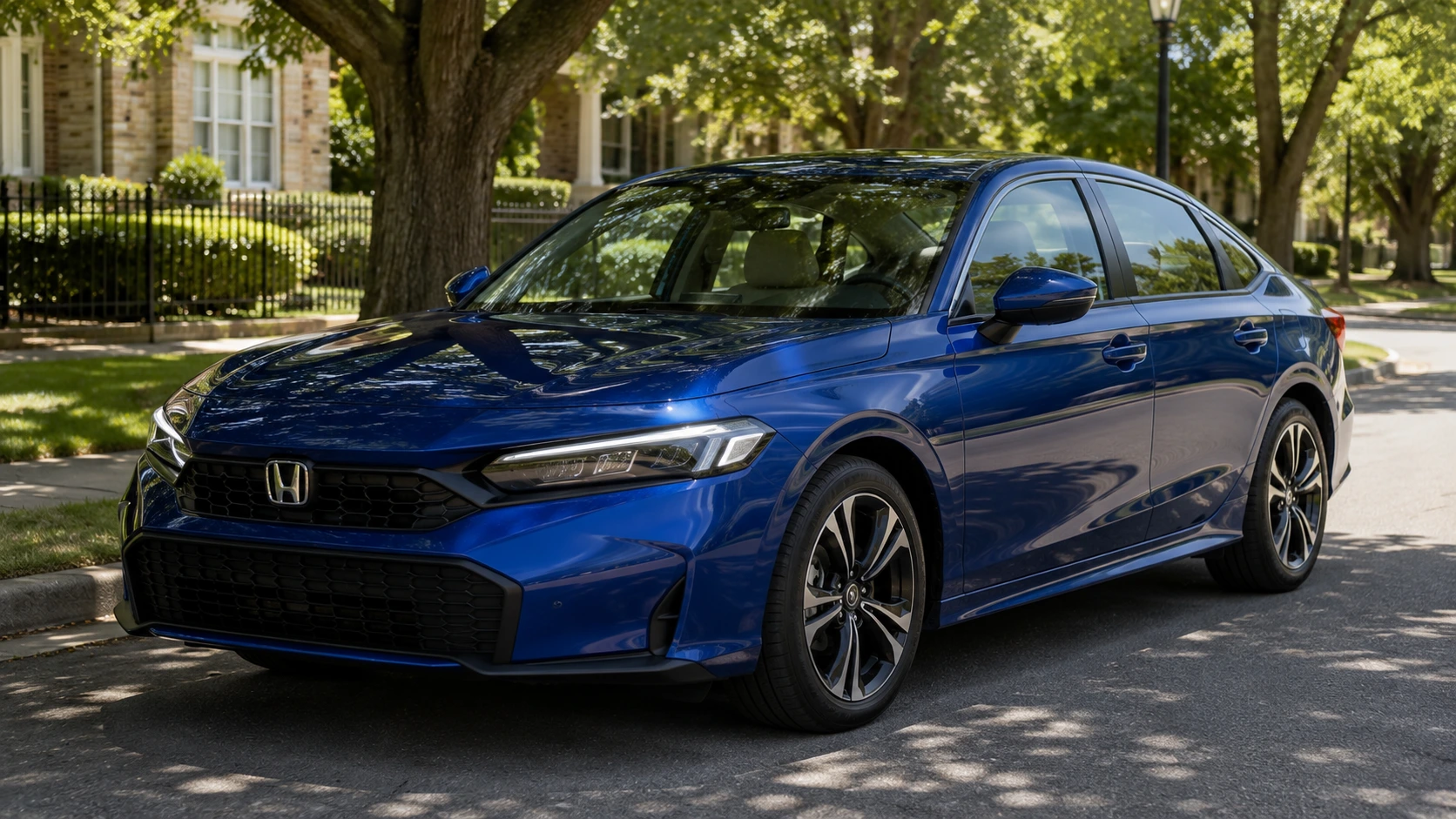
2026 Honda Civic Hybrid
$29,395–$33,595
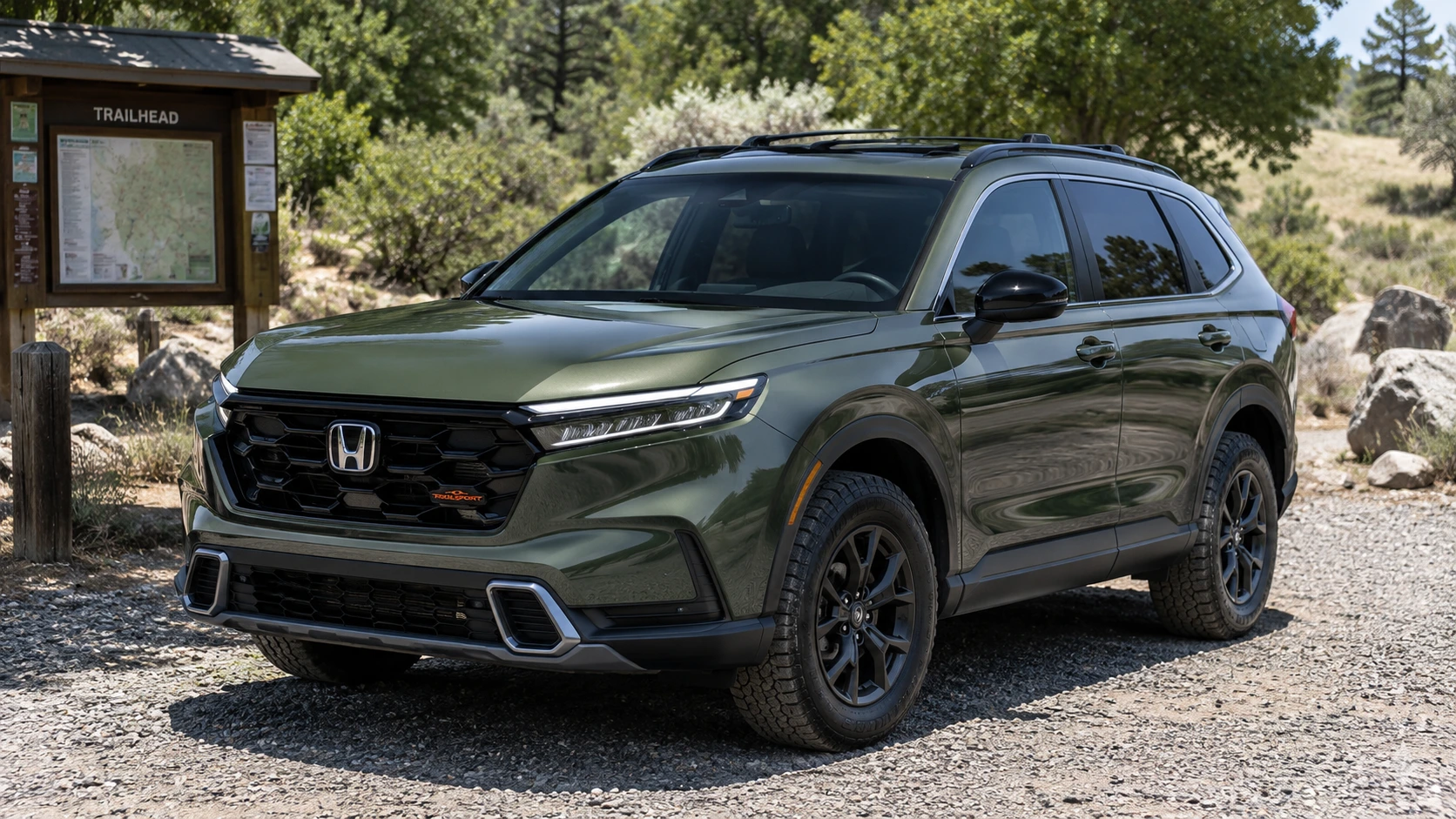
2026 Honda CR-V Hybrid
$35,630–$42,550
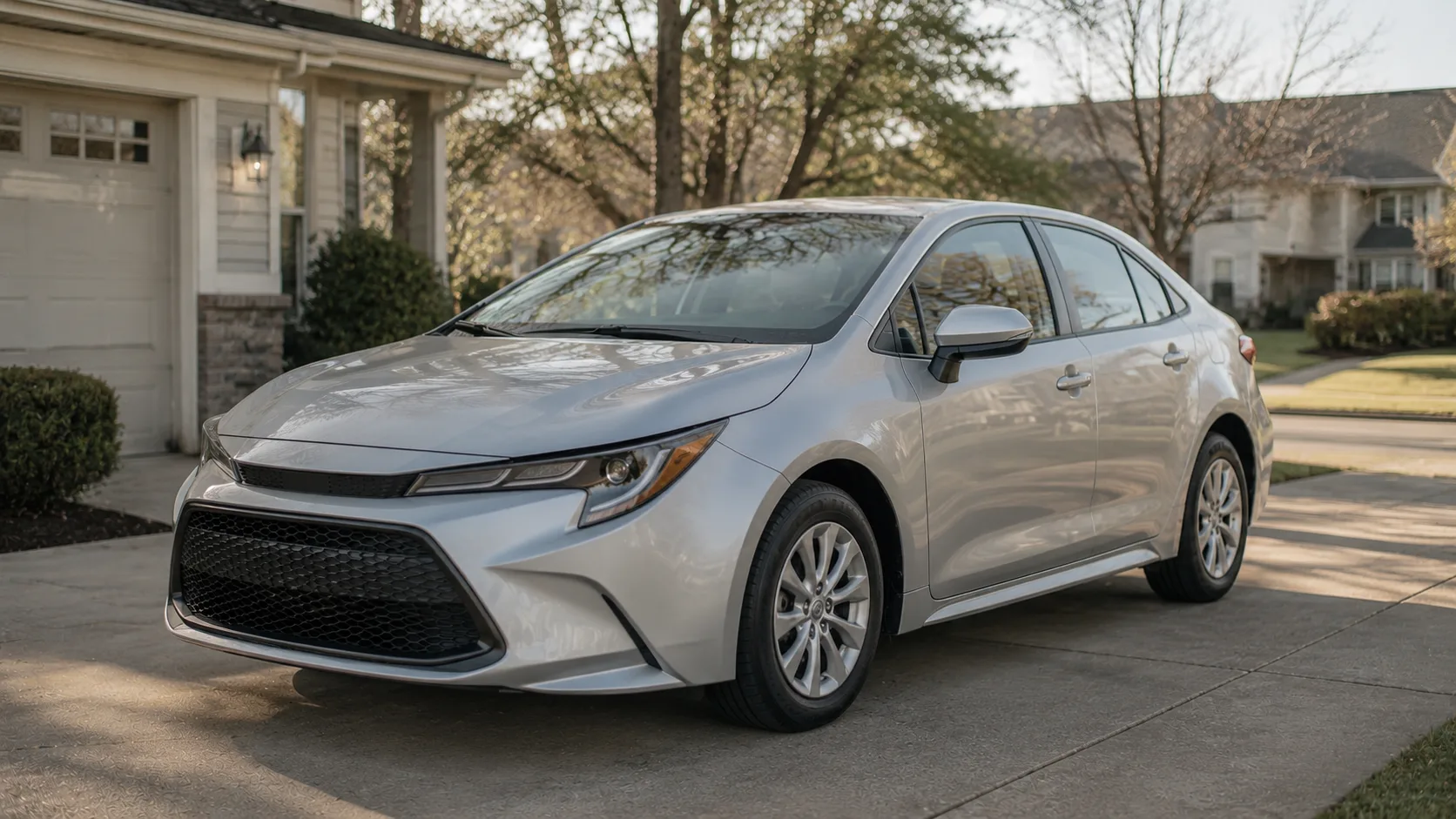
2026 Toyota Corolla
$22,300–$25,770
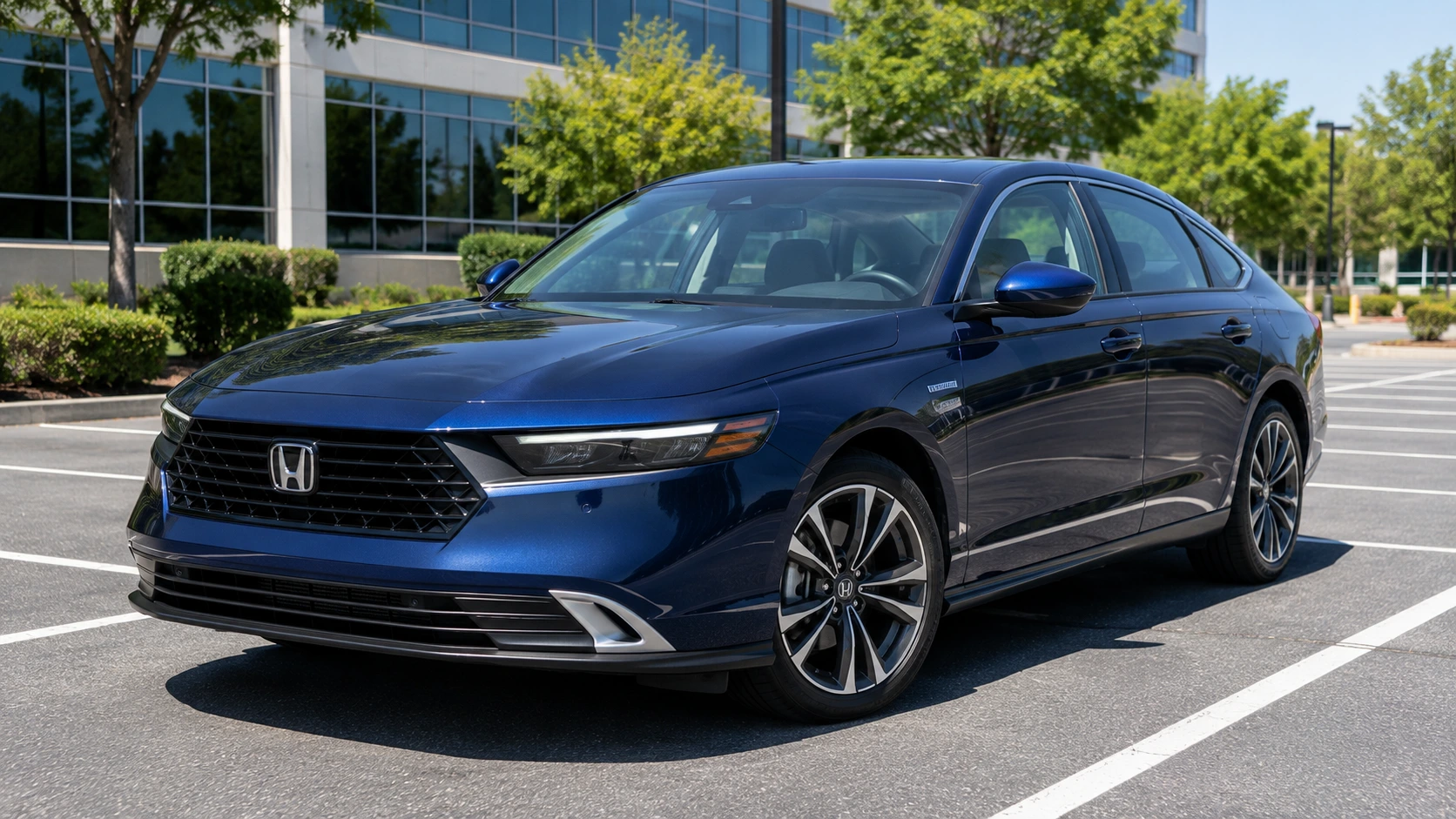
2026 Honda Accord Hybrid
$33,795–$40,690
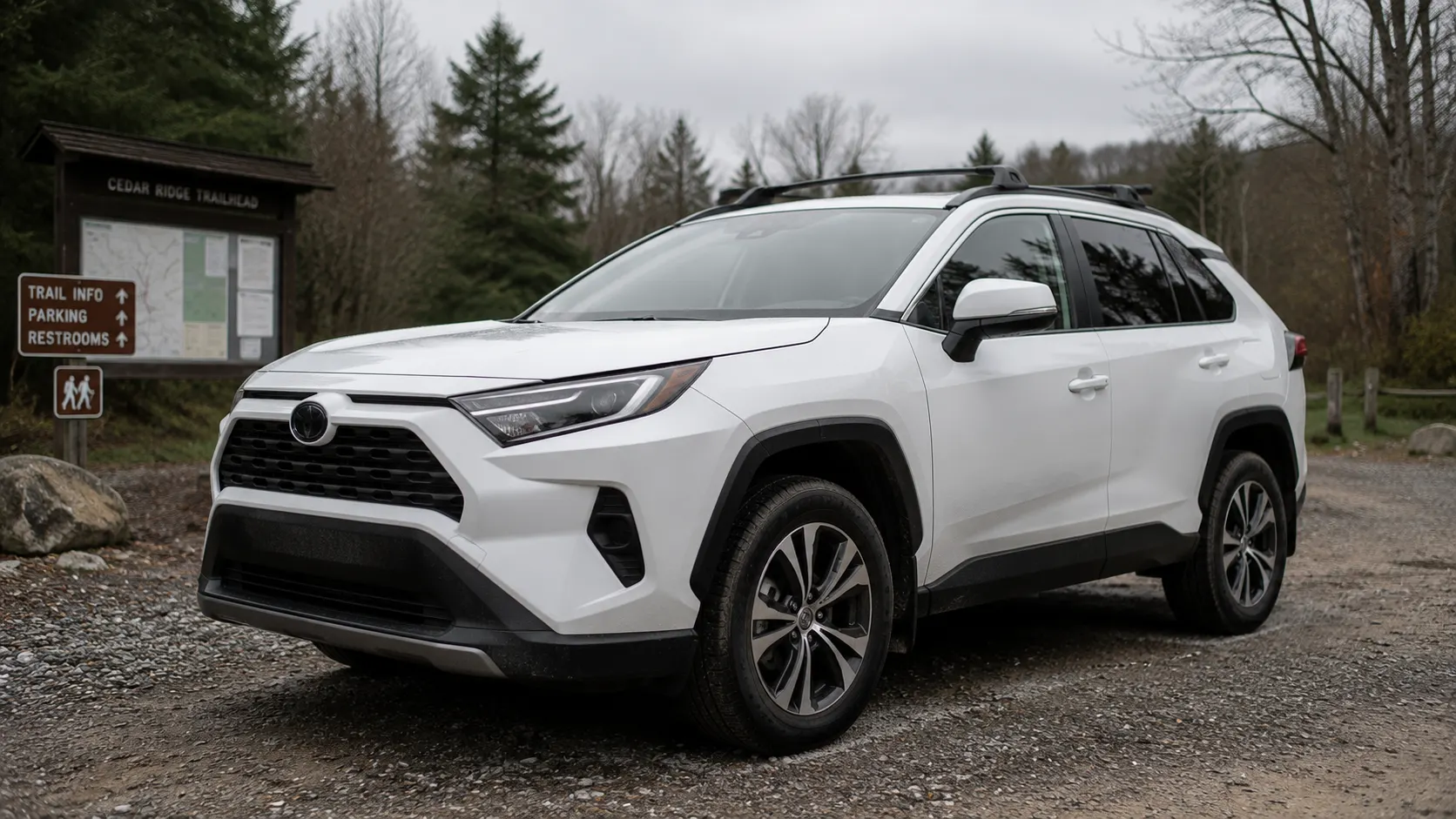
2026 Toyota RAV4
$31,900–$42,000
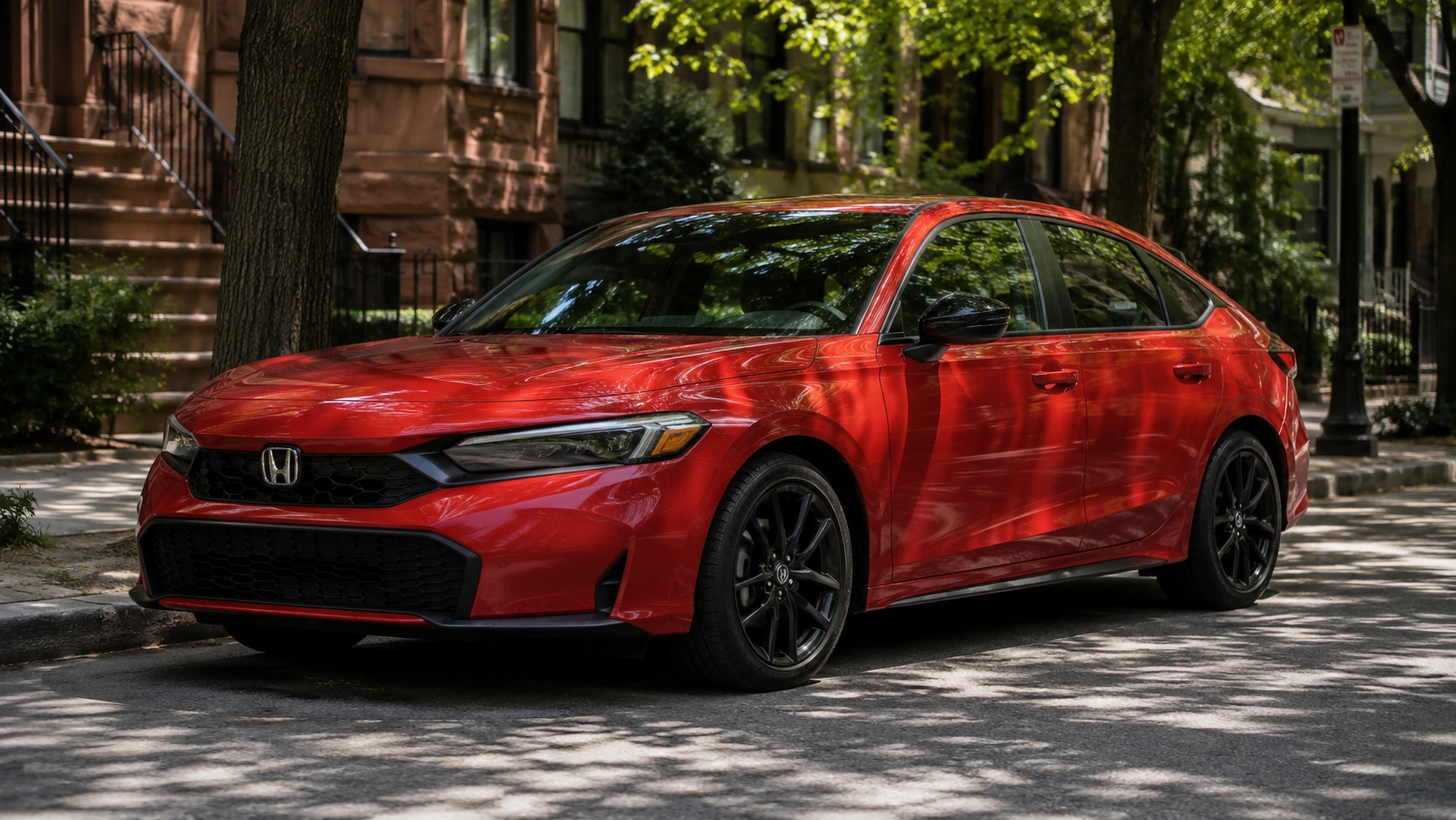
2026 Honda Civic
$24,000–$30,000
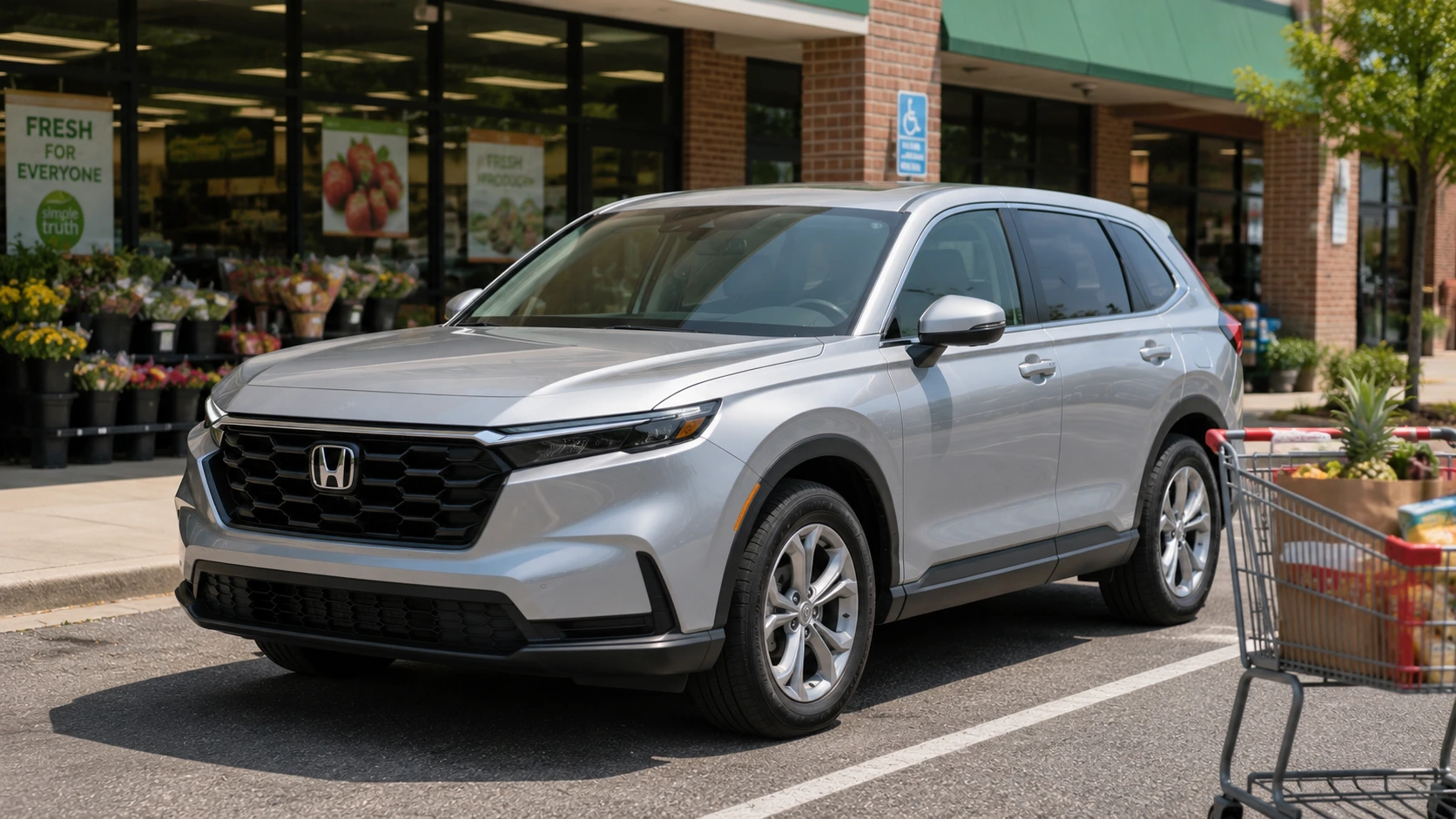
2026 Honda CR-V
$30,920–$40,000
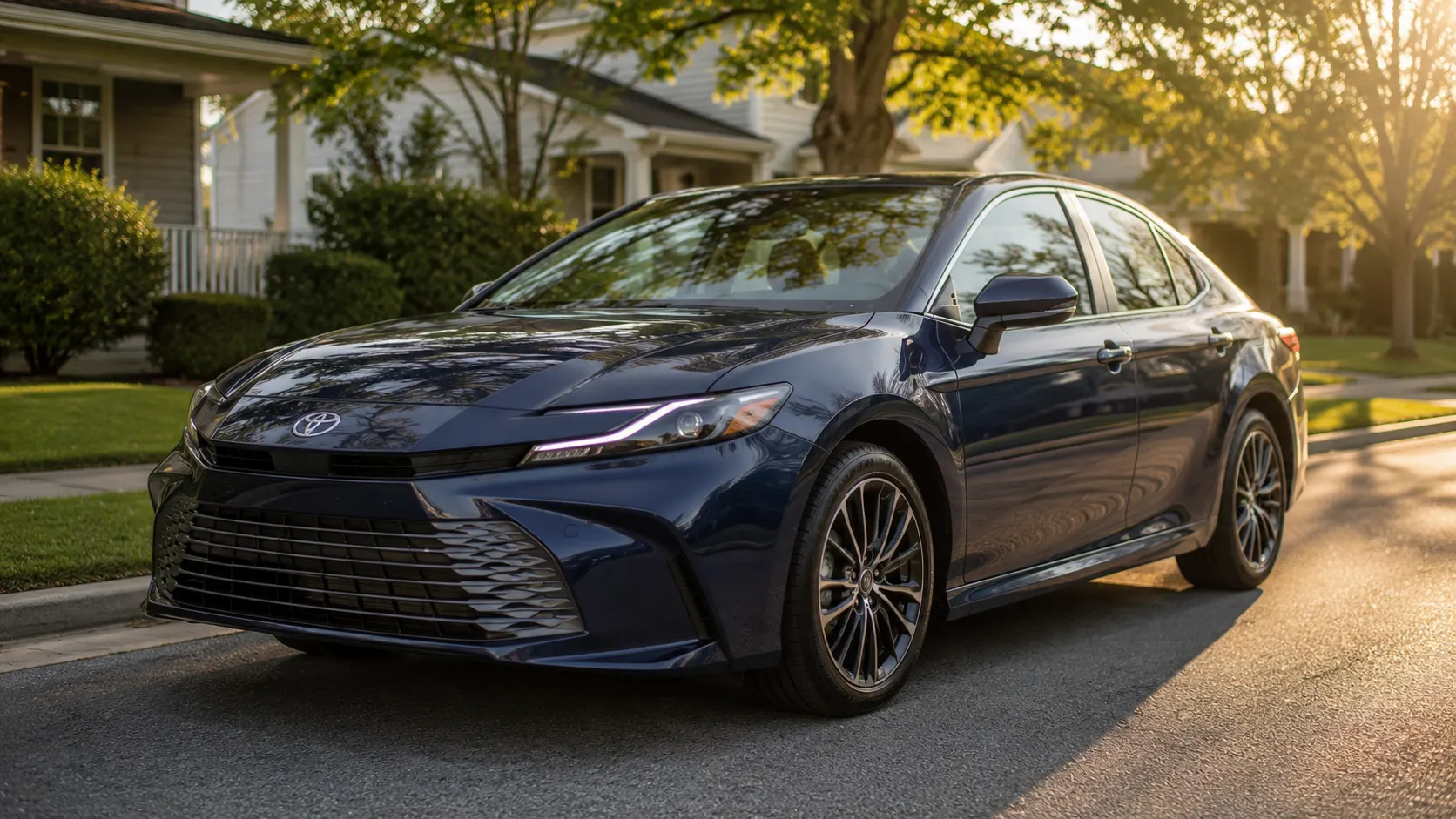
2026 Toyota Camry
$28,400–$36,000
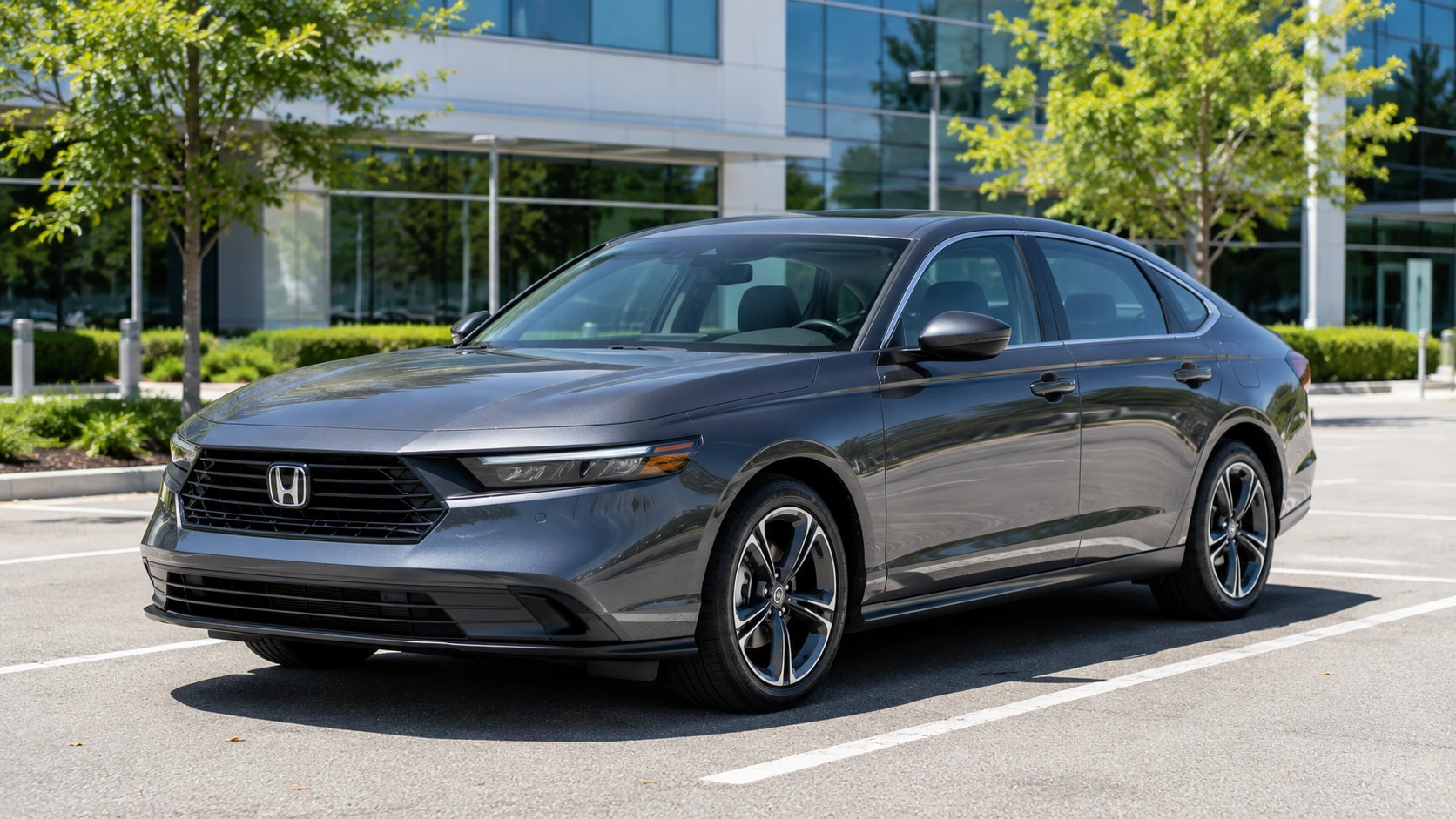
2026 Honda Accord
$28,000–$38,000
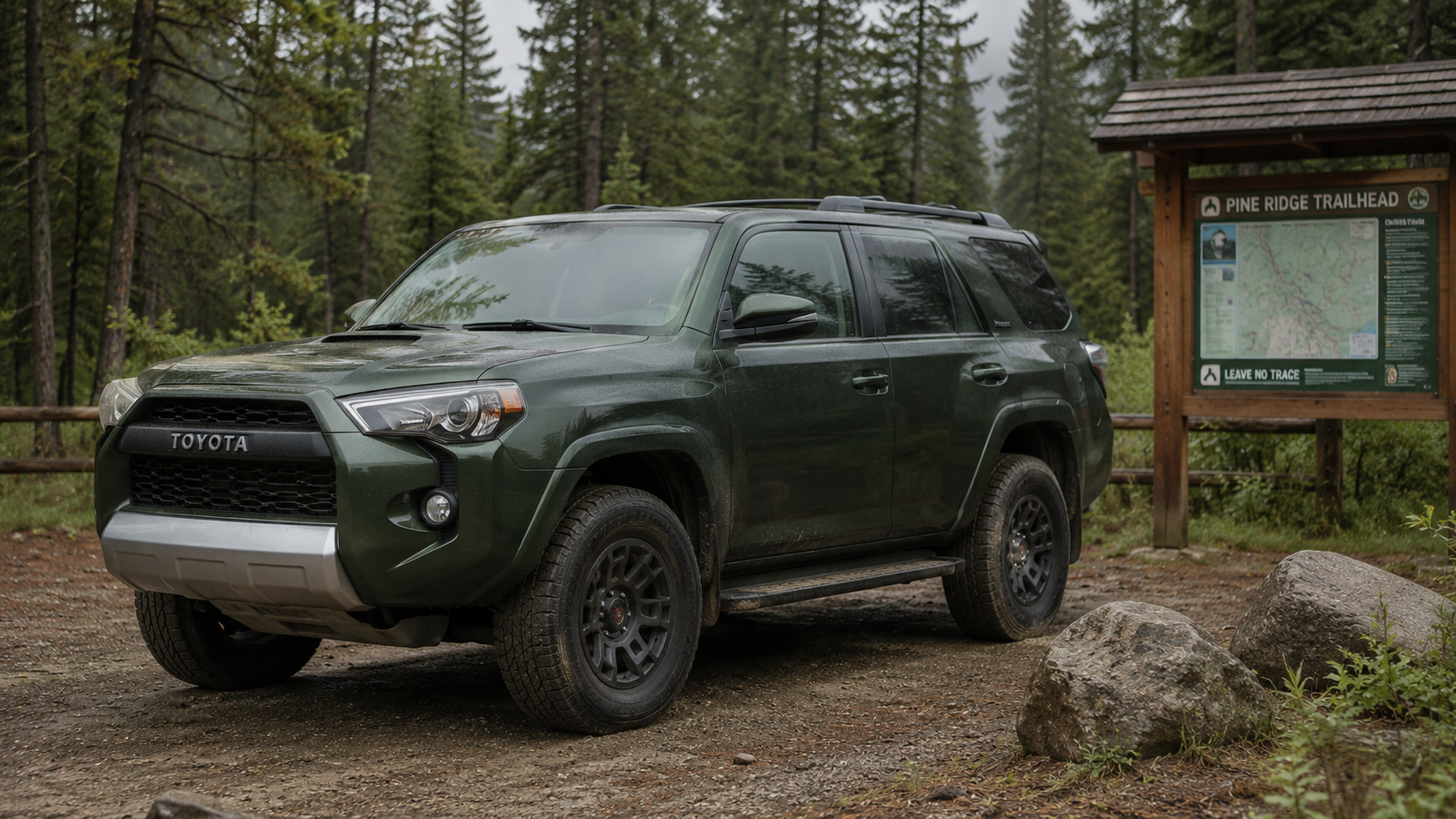
2026 Toyota 4Runner
$42,000–$55,000
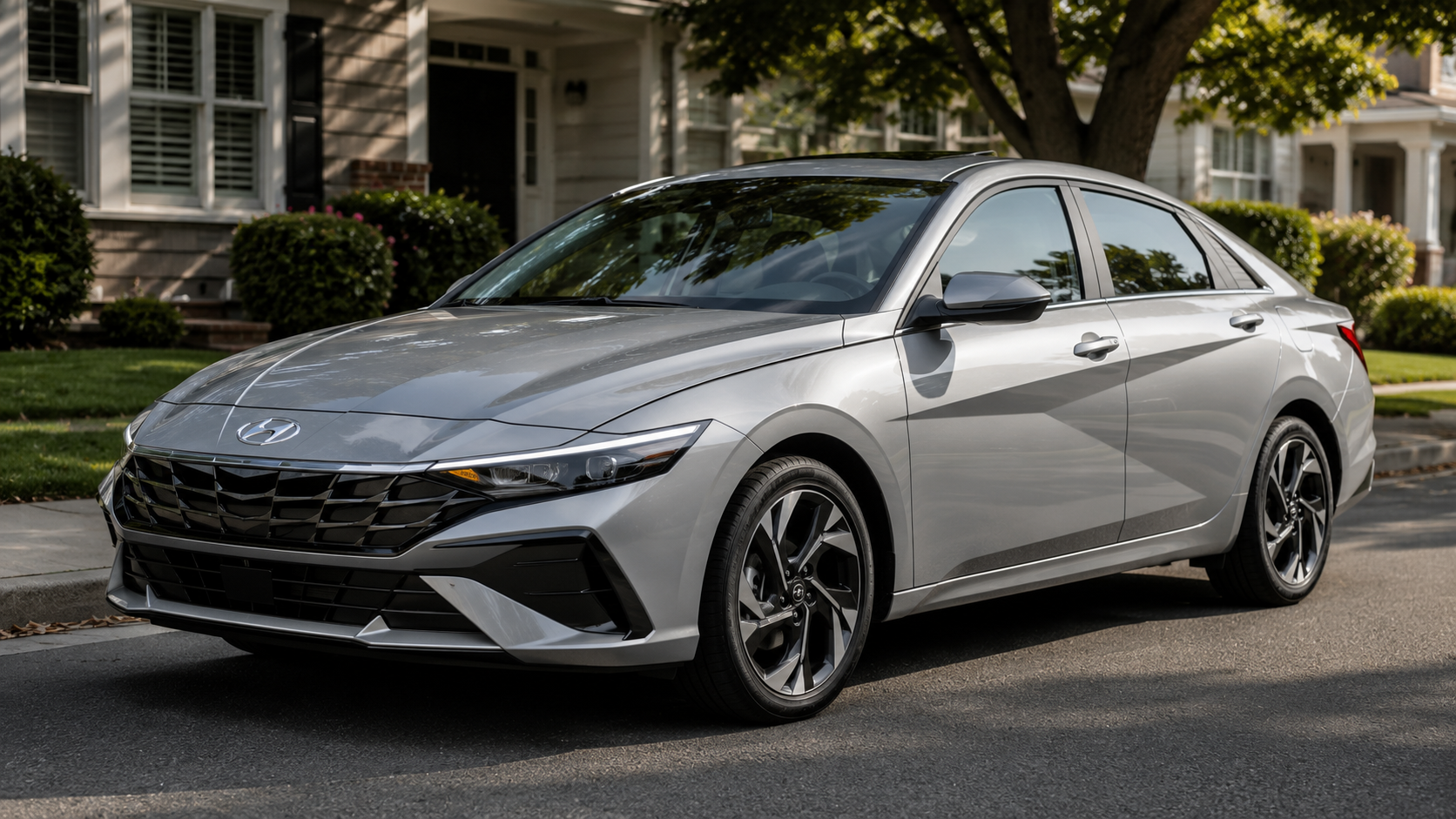
2026 Hyundai Elantra
$22,625–$30,645
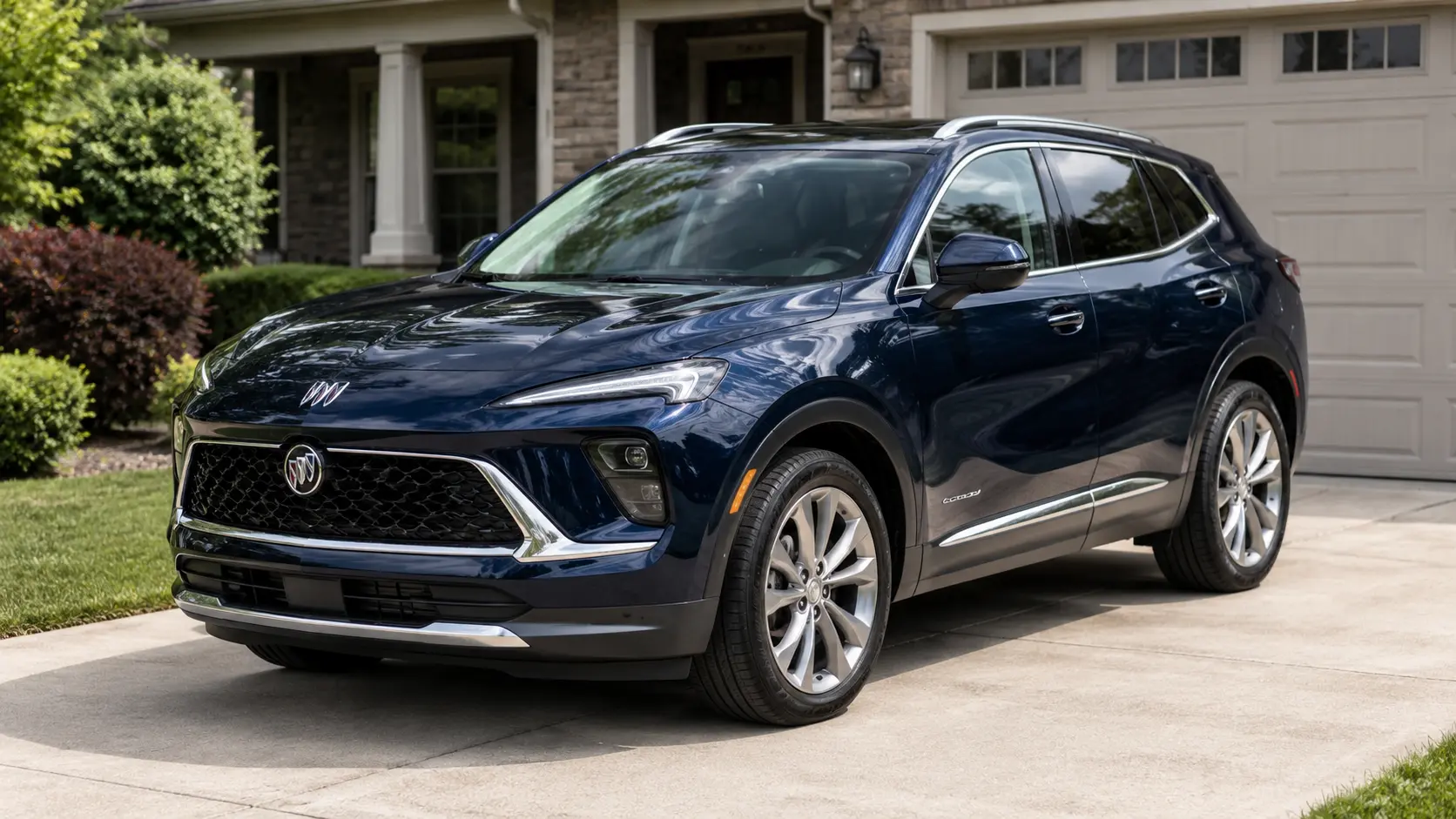
2026 Buick Envision
$42,995–$52,695
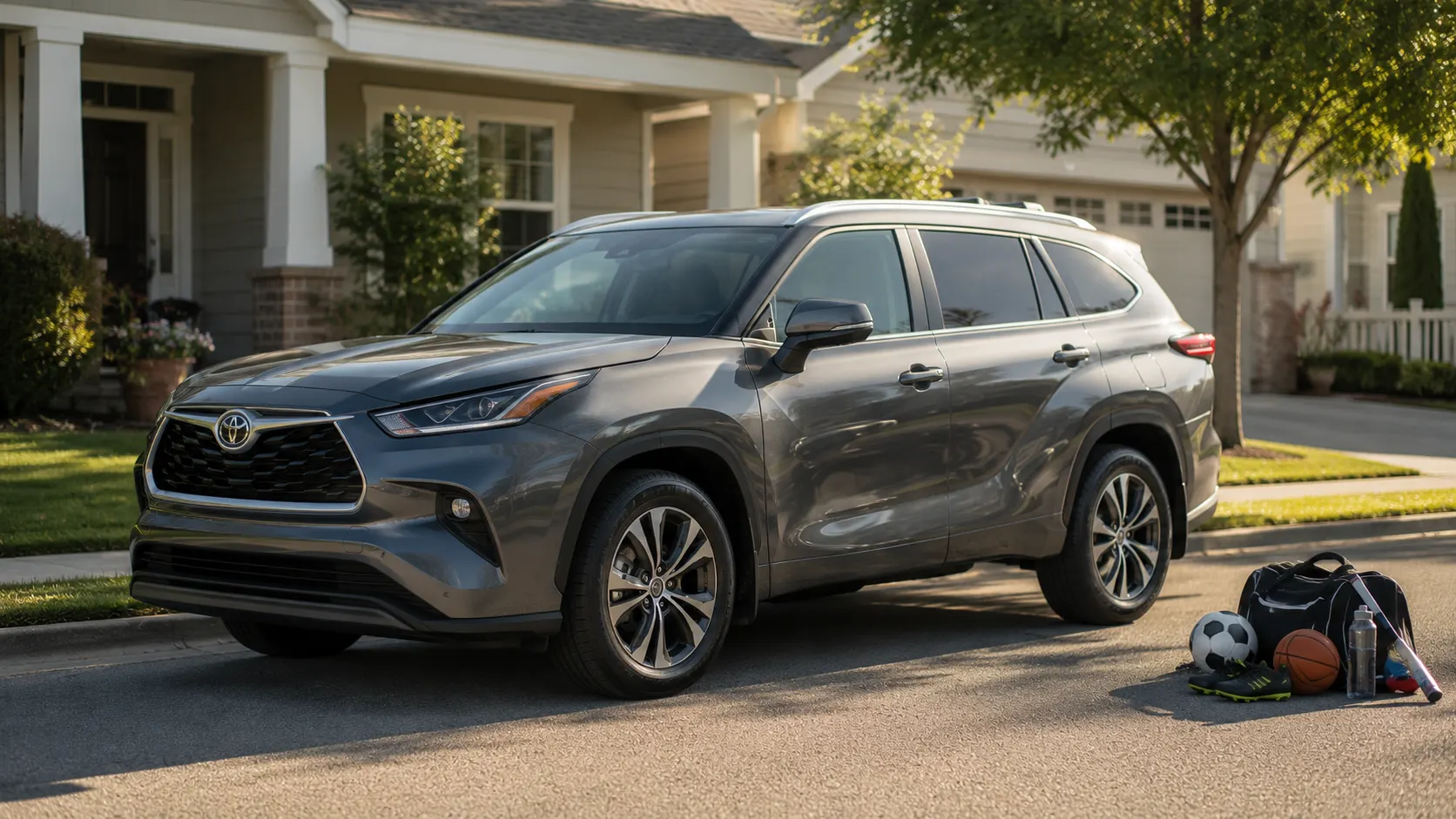
2026 Toyota Highlander
$39,000–$50,000
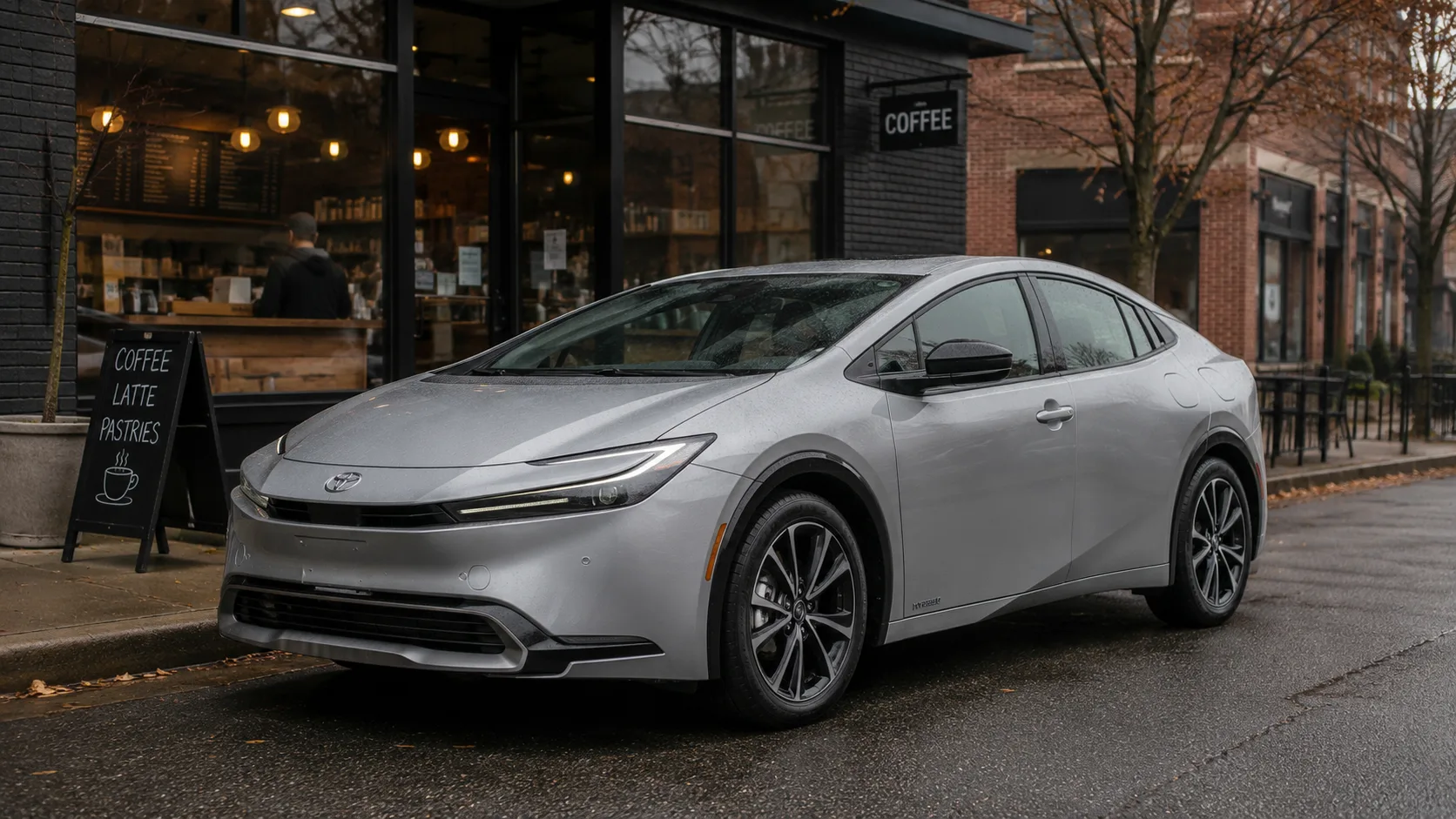
2026 Toyota Prius
$28,400–$35,000
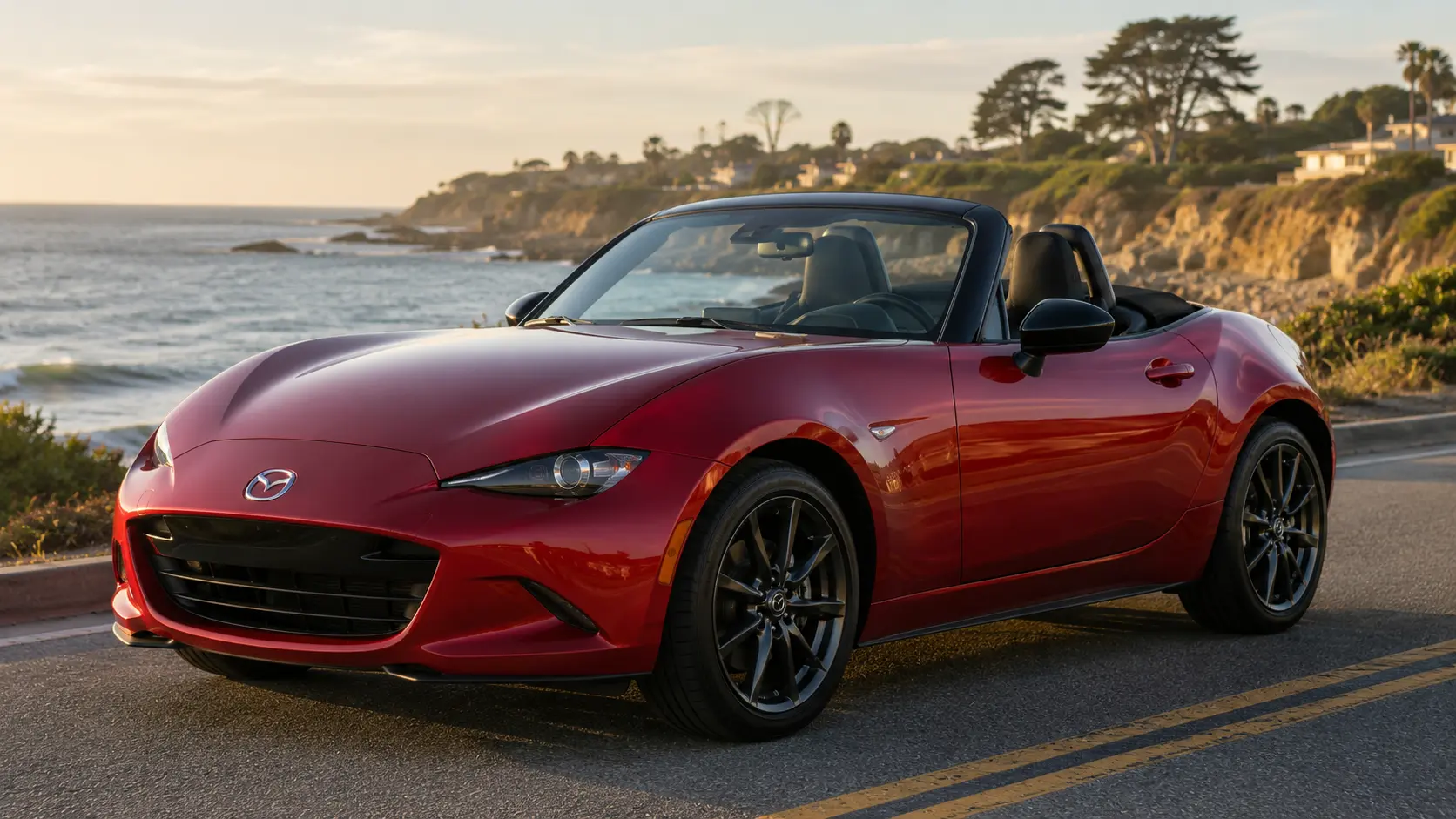
2026 Mazda MX-5
$31,665–$43,135
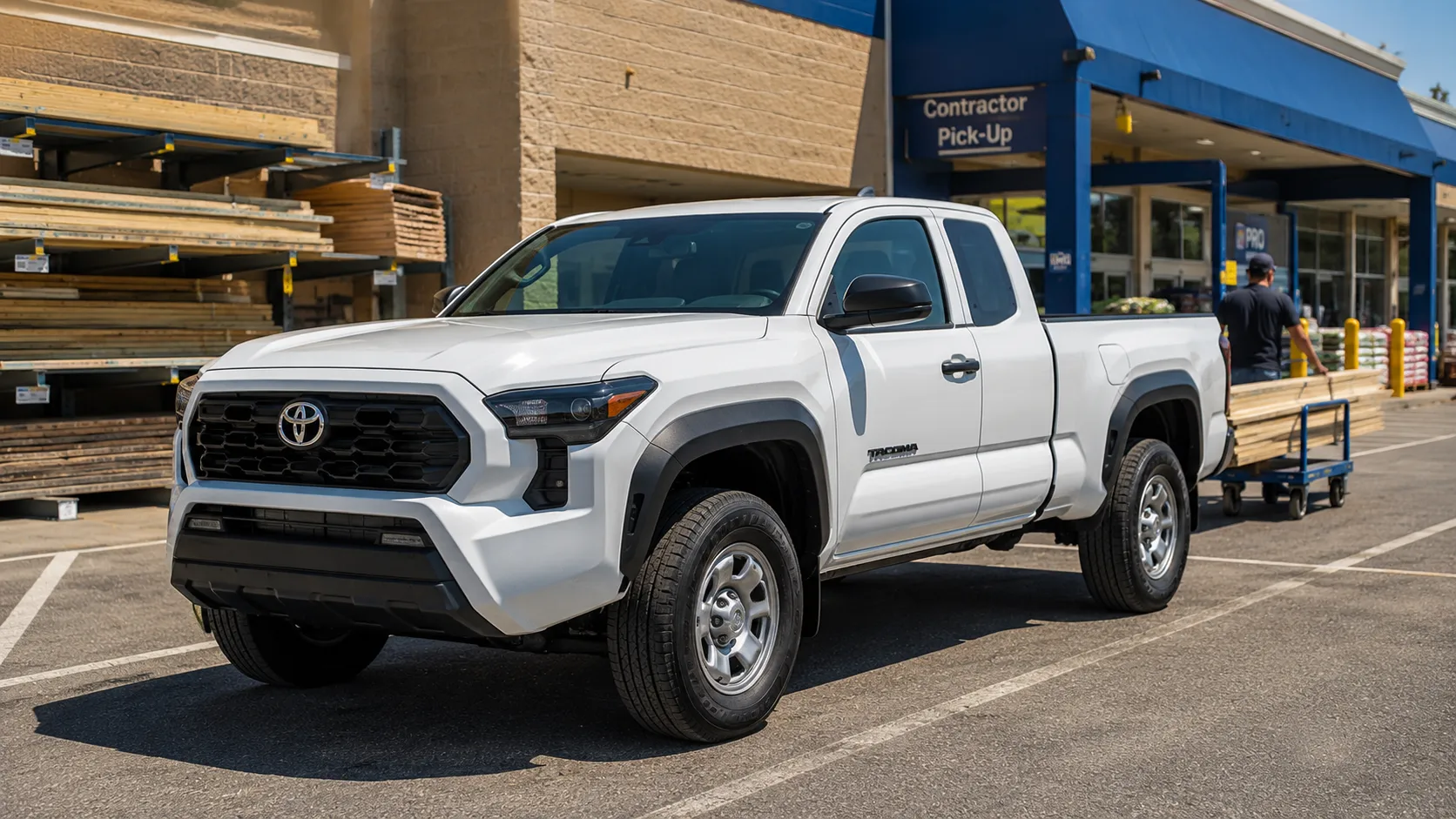
2026 Toyota Tacoma
$31,500–$48,000
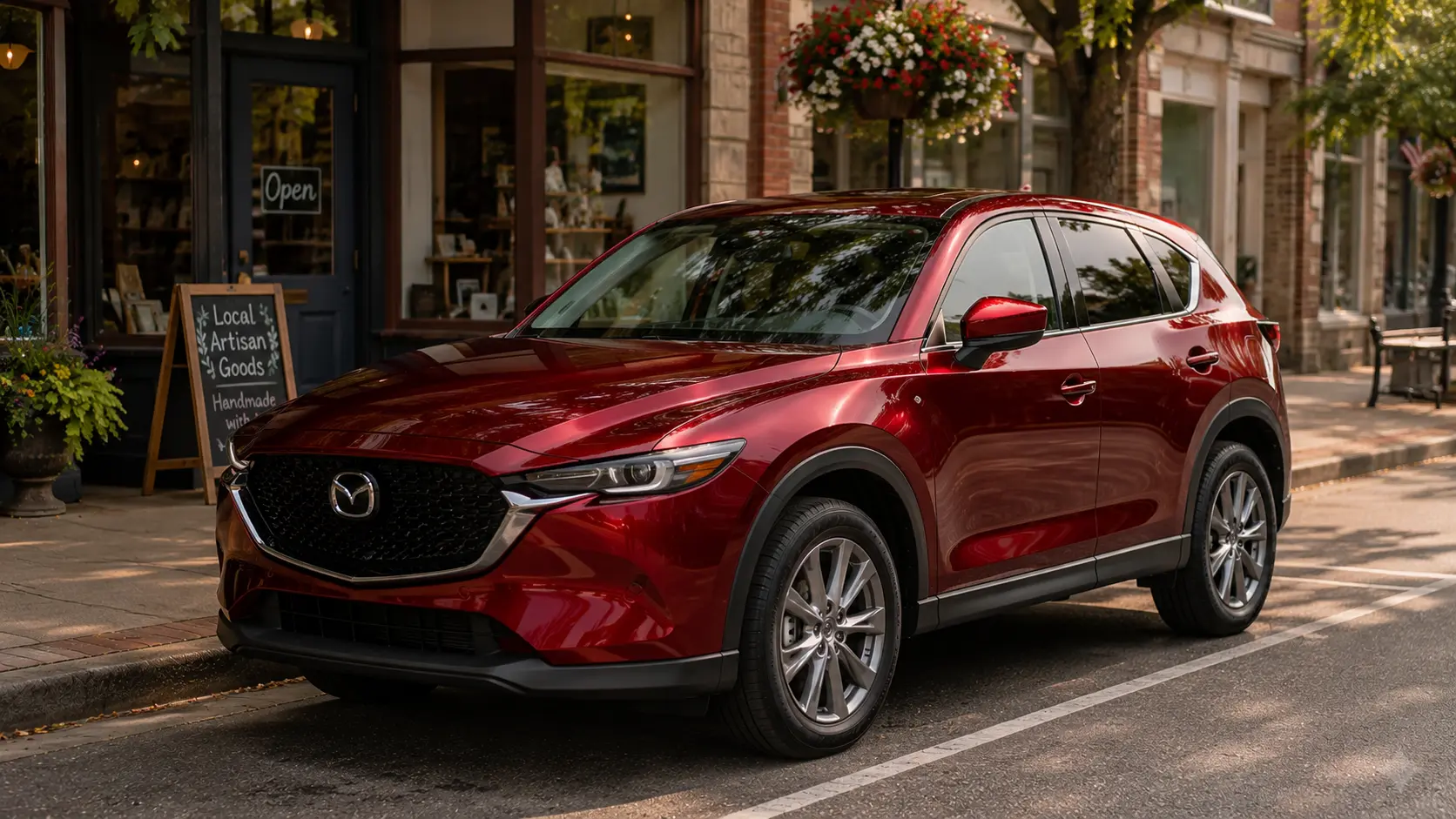
2026 Mazda CX-5
$29,000–$39,000
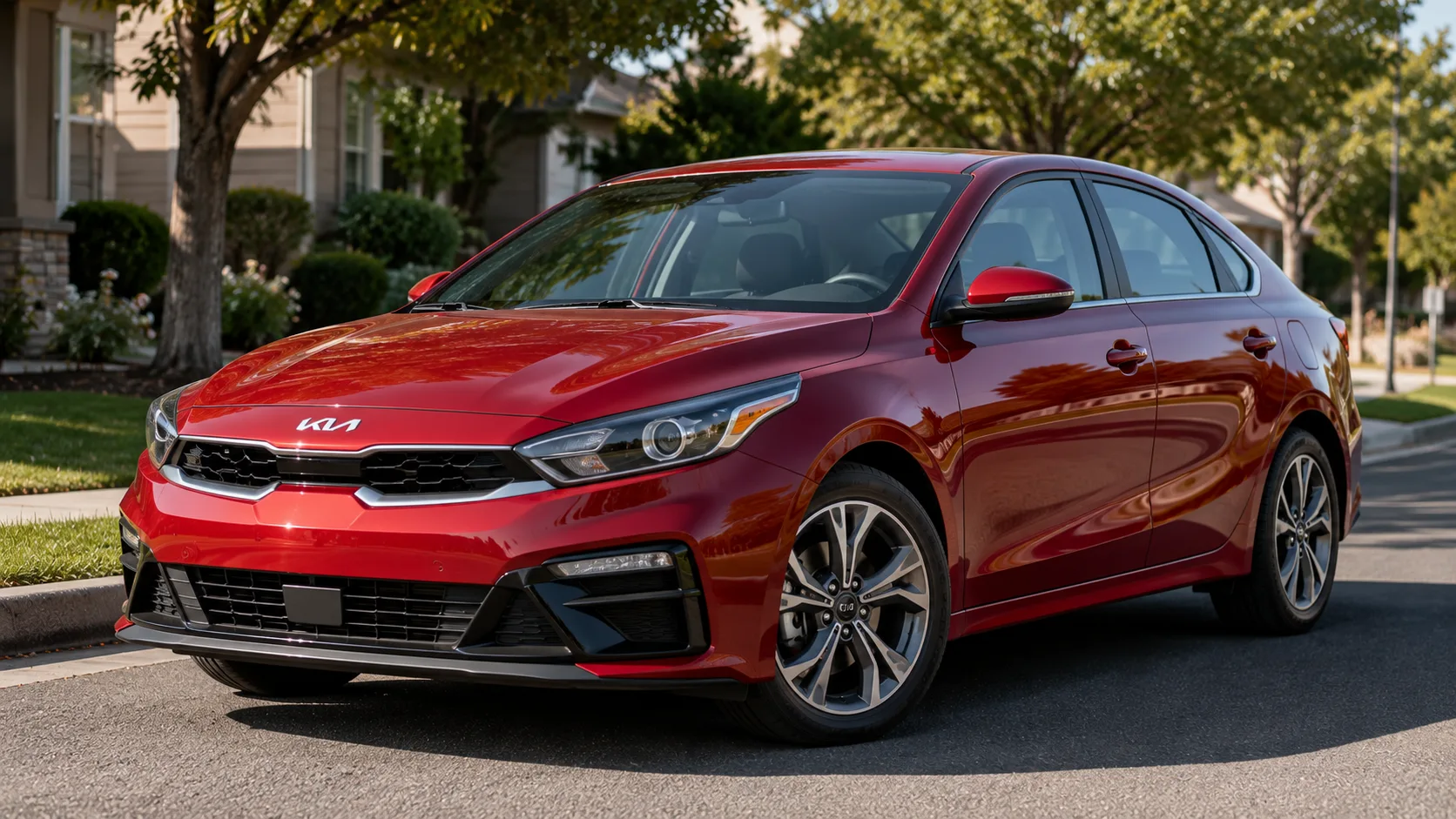
2024 Kia Forte
$22,815–$25,715
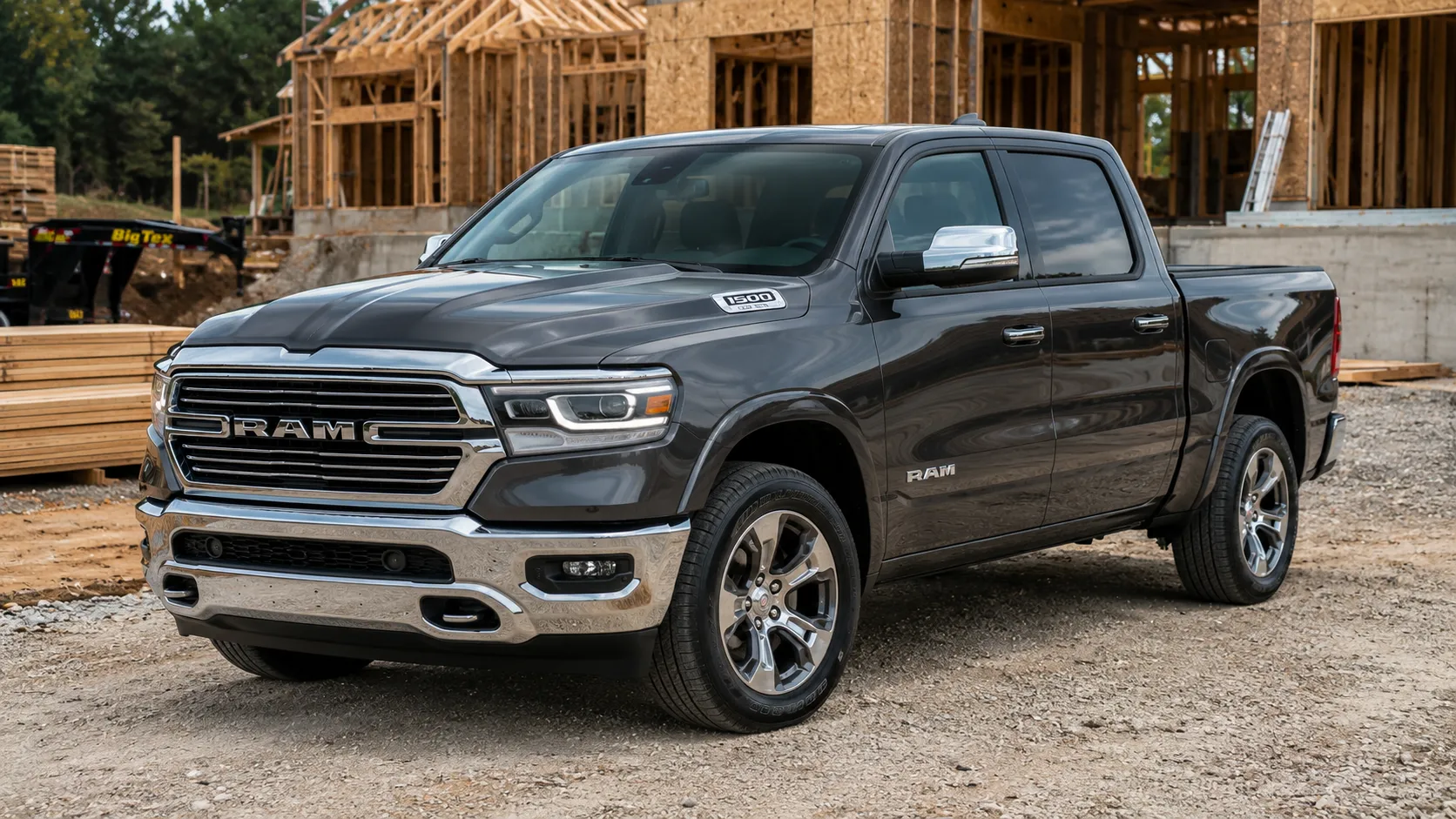
2026 Ram 1500
$41,575–$88,350
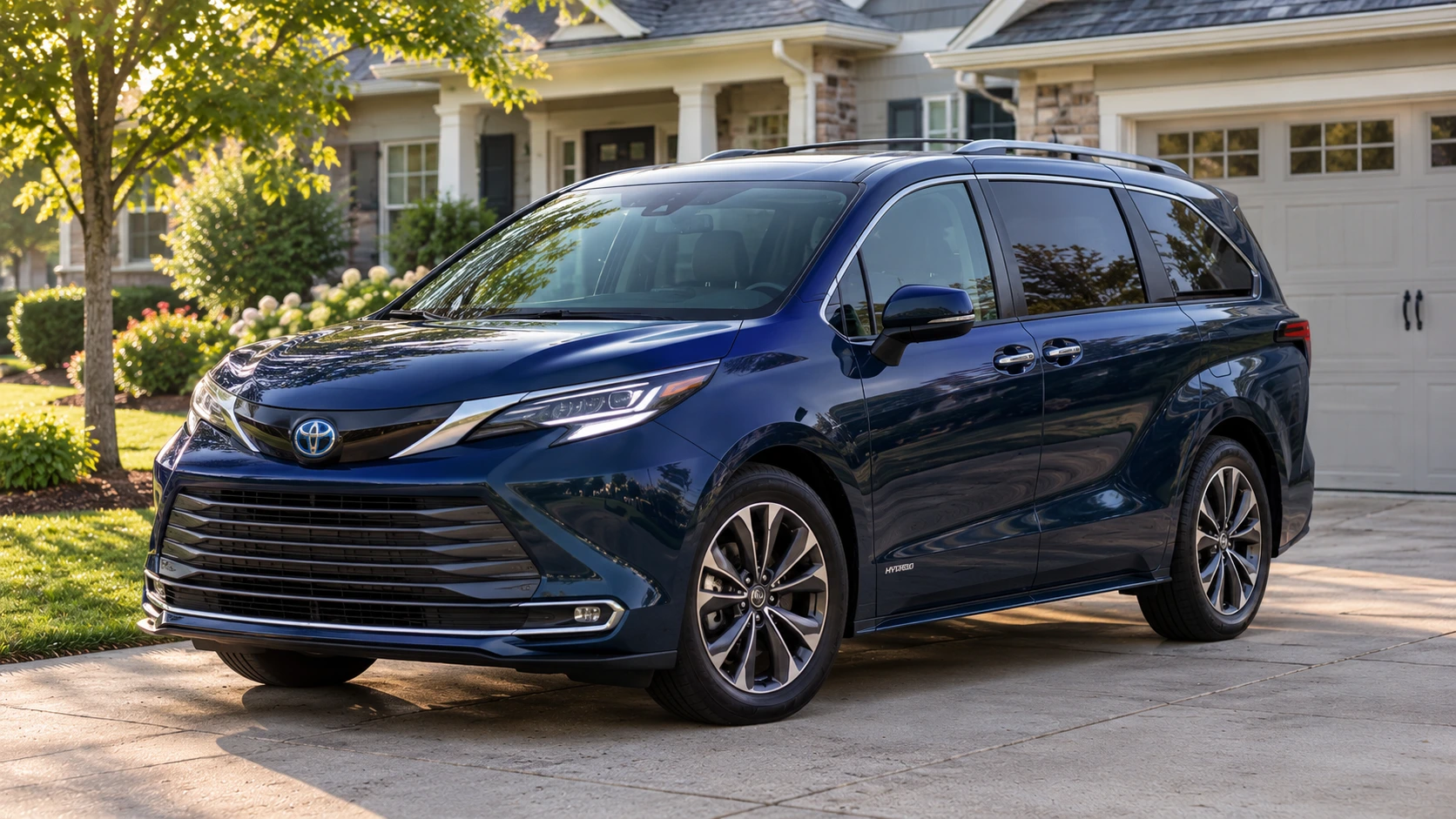
2026 Toyota Sienna
$41,915–$59,305
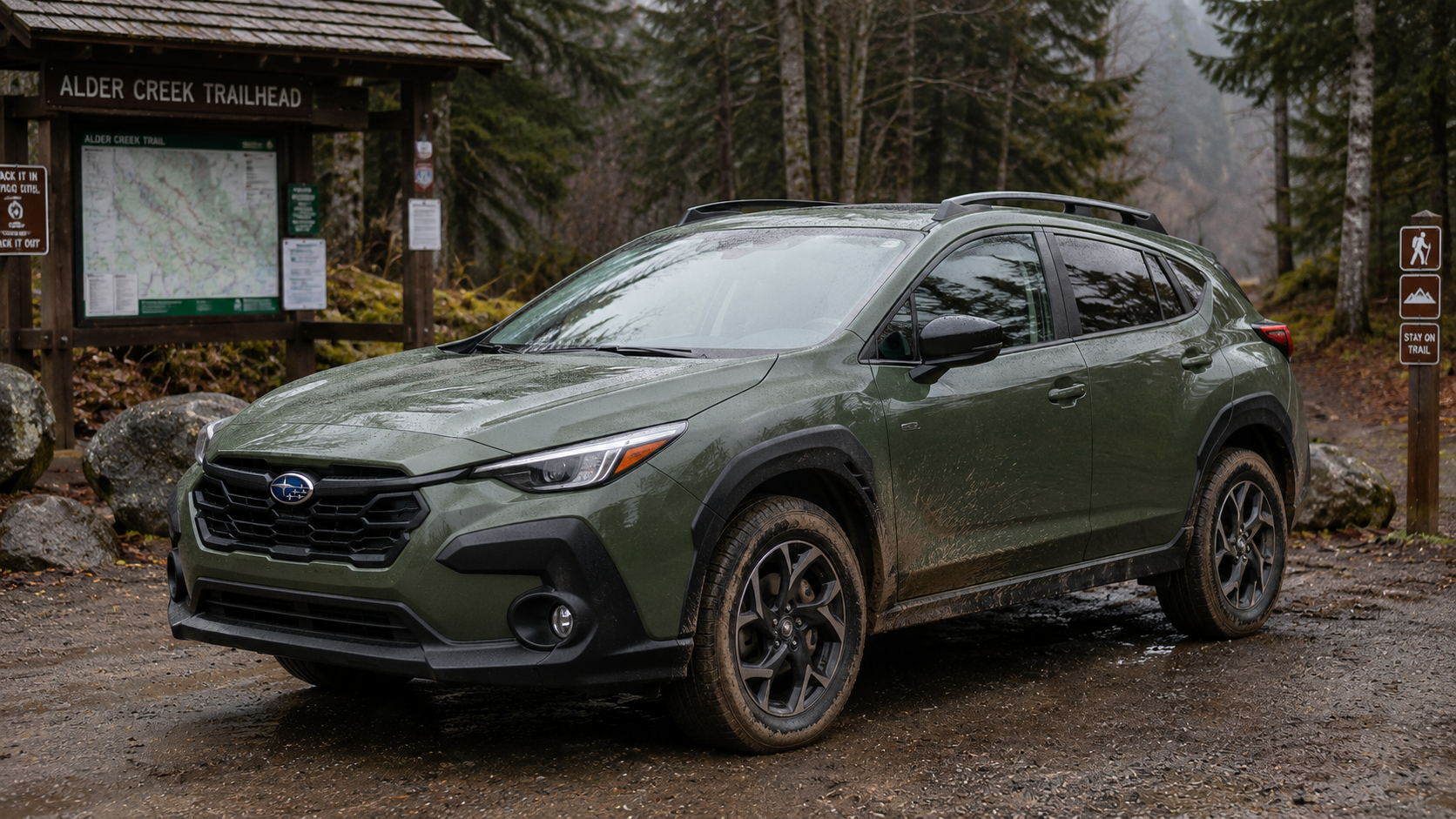
2026 Subaru Crosstrek
$26,000–$33,000
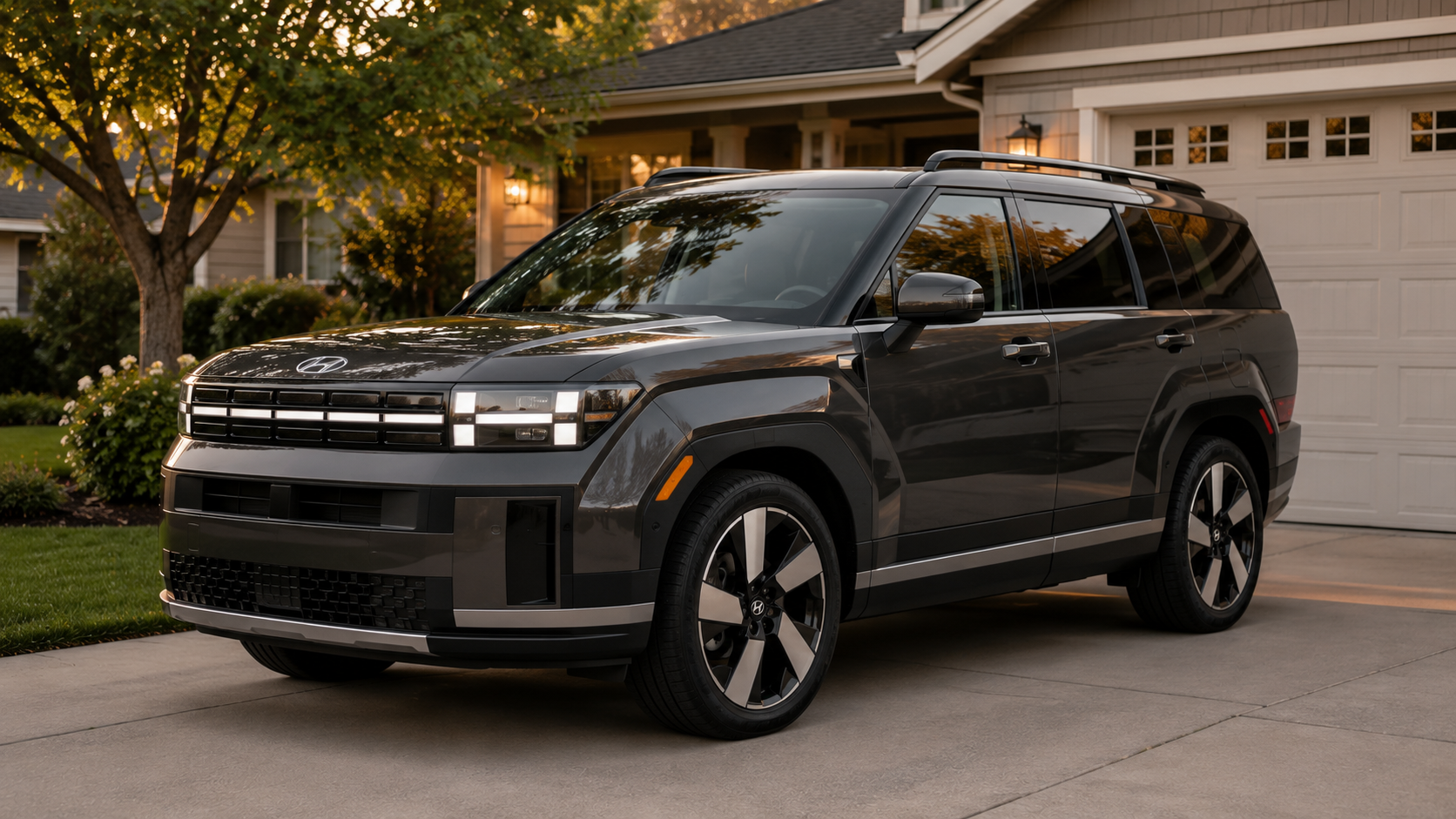
2026 Hyundai Santa Fe
$35,050–$48,700
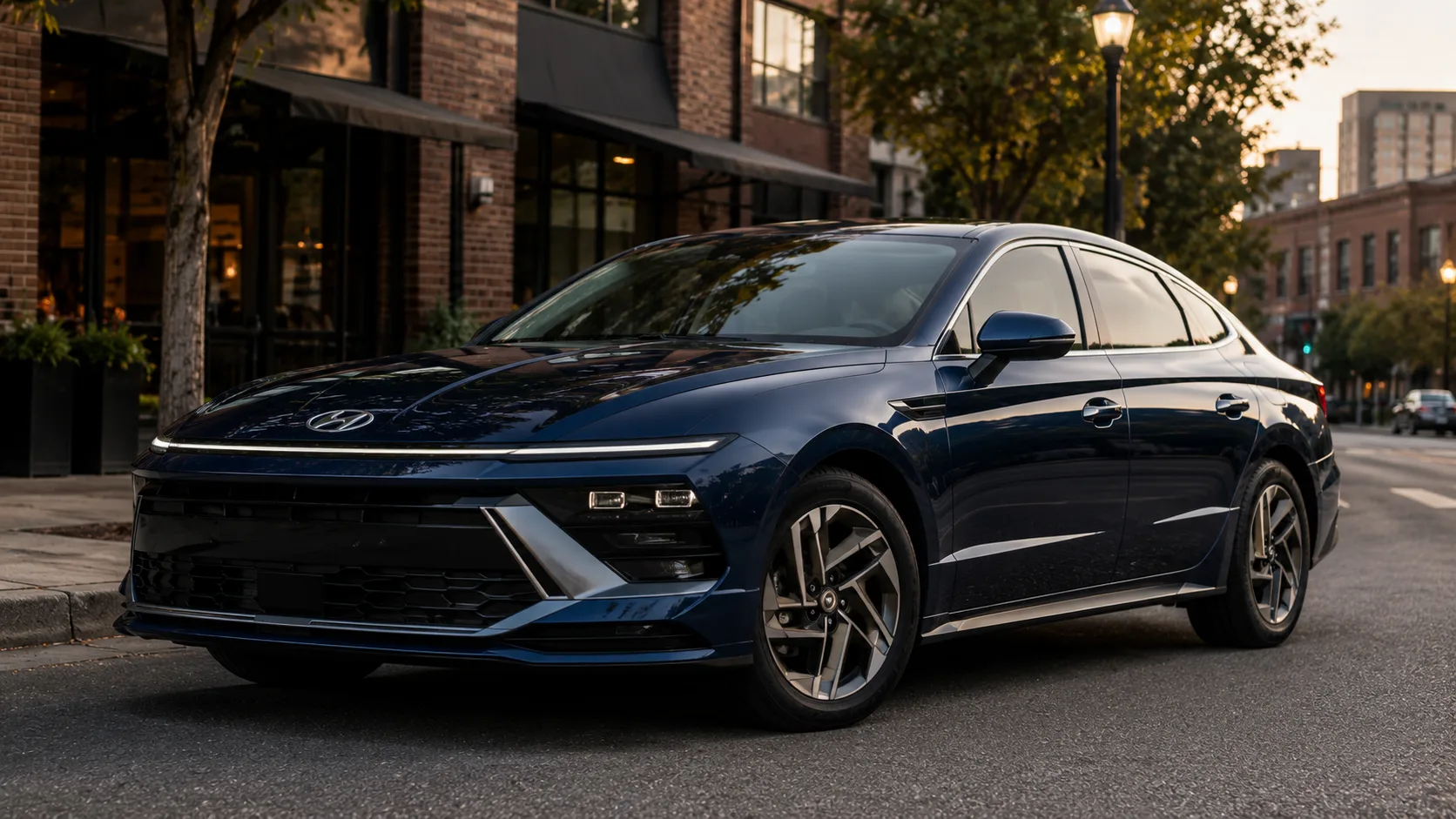
2026 Hyundai Sonata
$28,545–$38,250
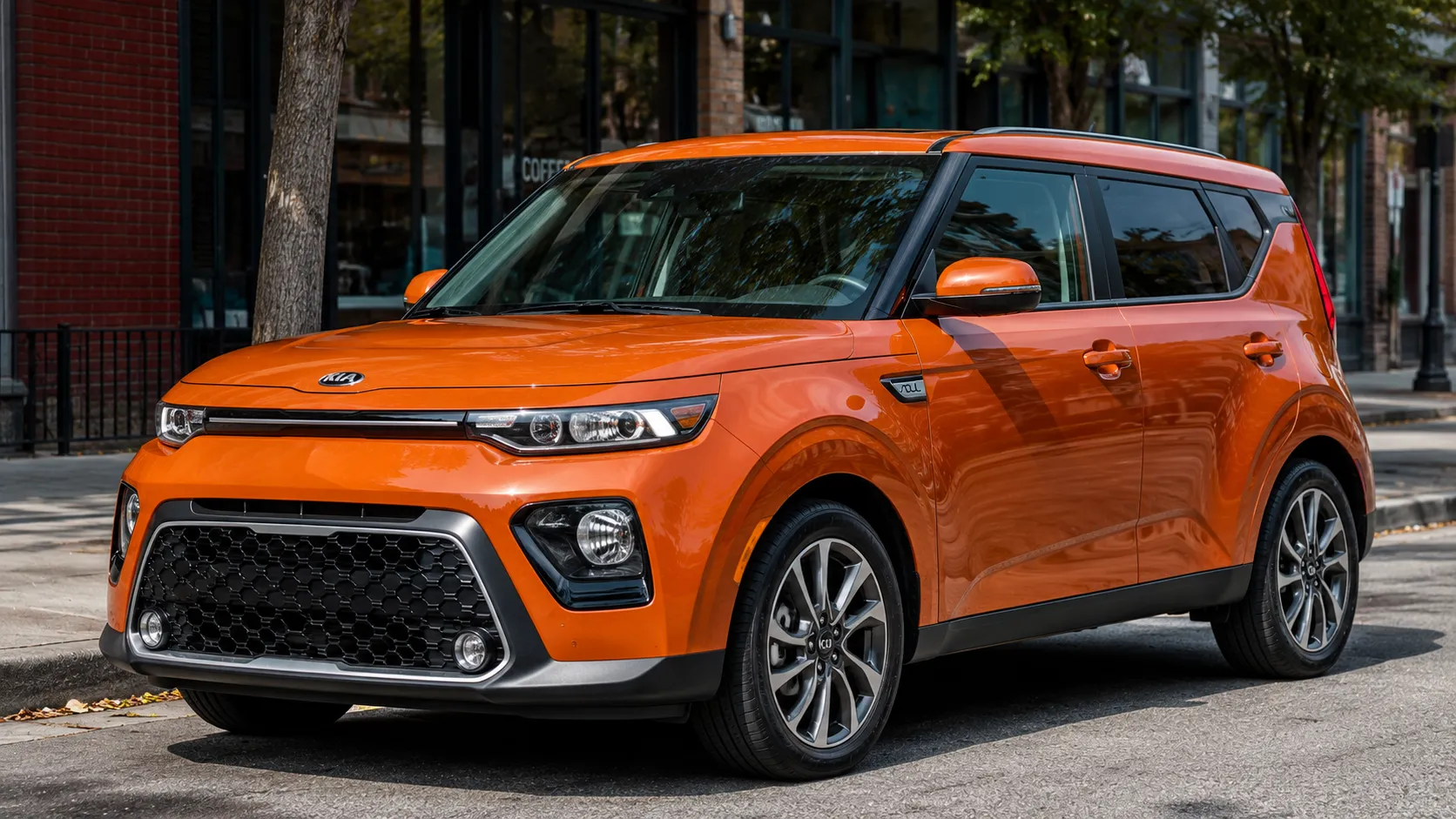
2025 Kia Soul
$20,490–$27,490
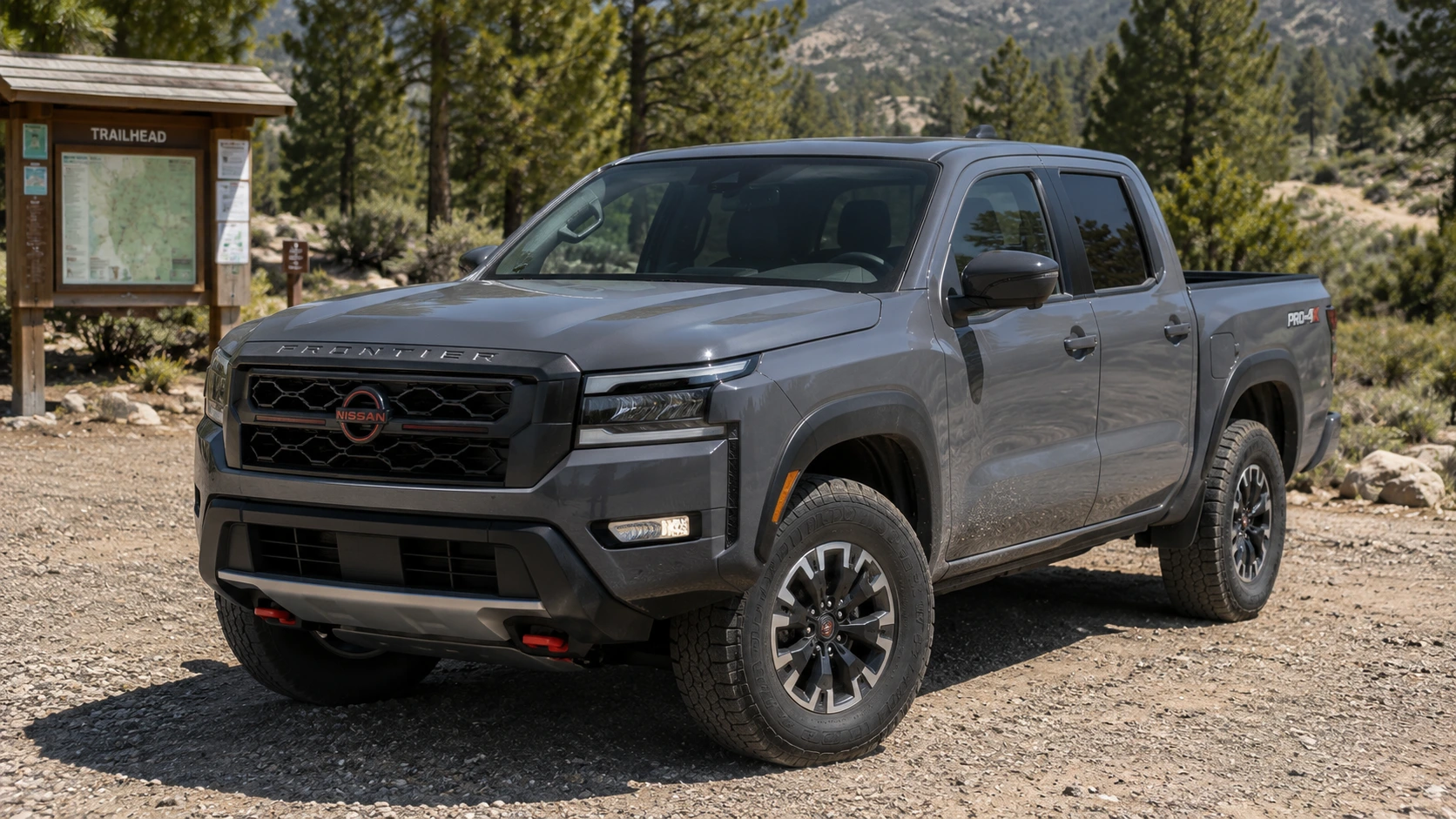
2026 Nissan Frontier
$32,150–$42,370
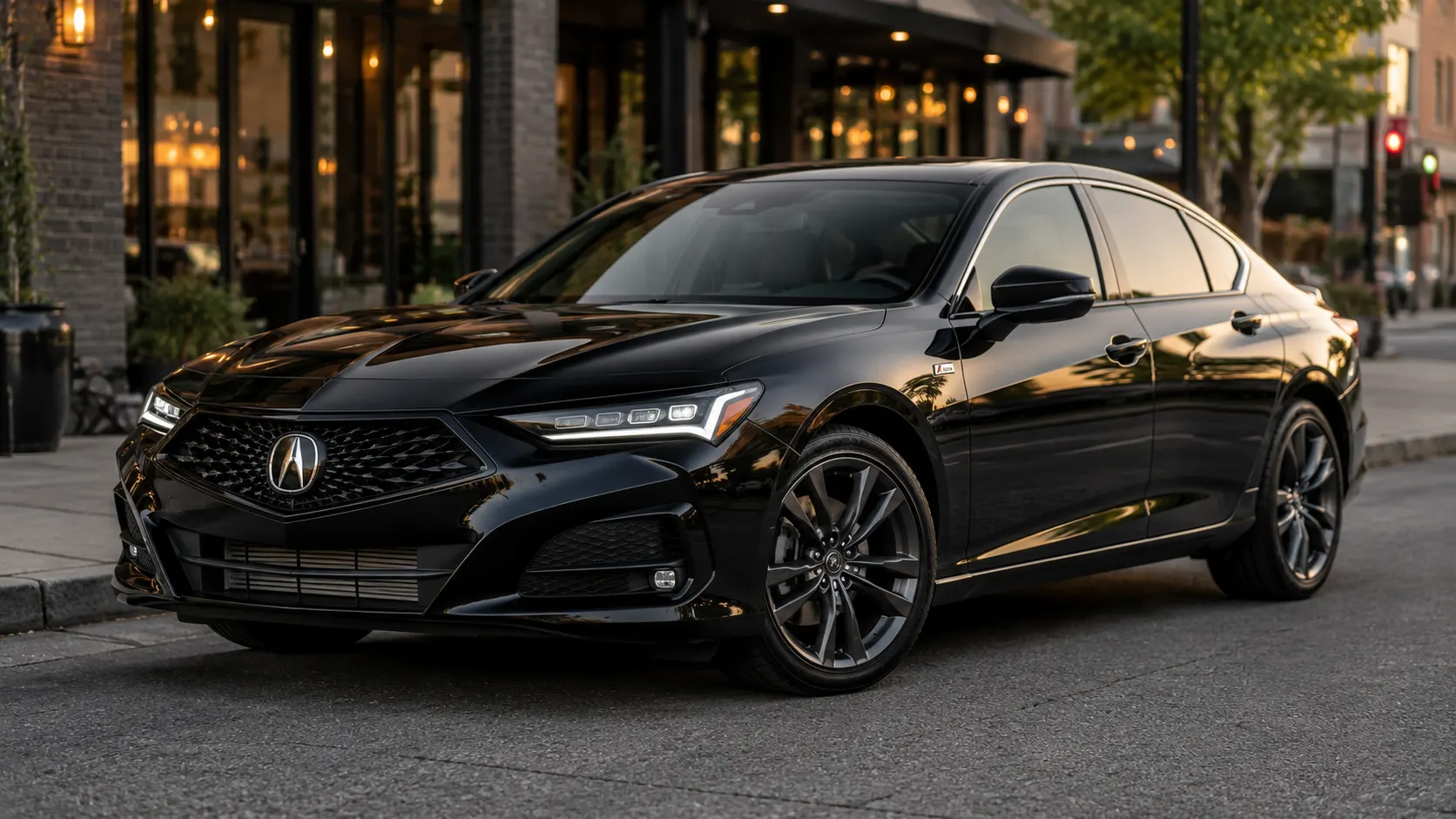
2025 Acura TLX
$46,595–$59,245
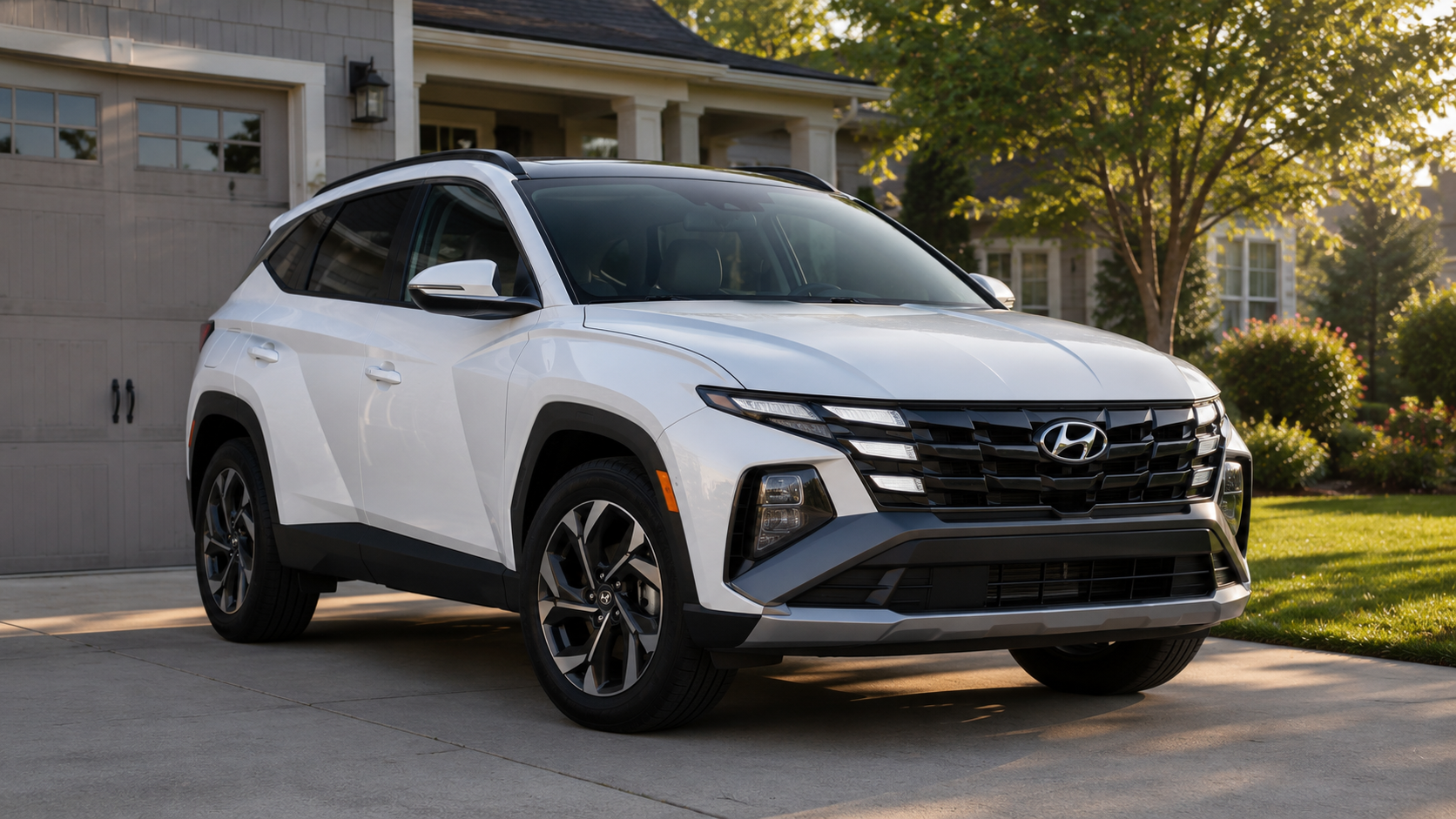
2026 Hyundai Tucson
$30,800–$43,320
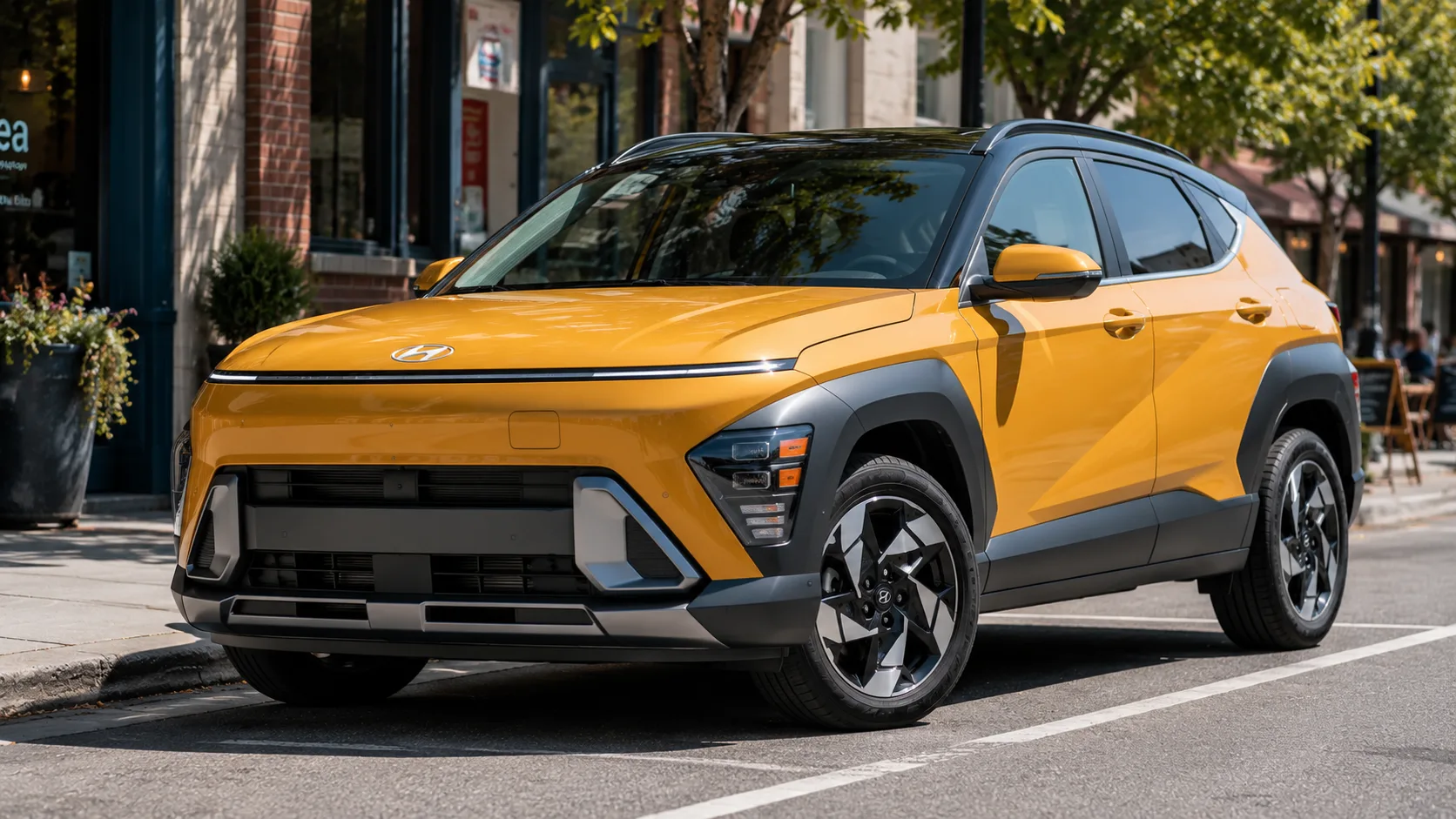
2026 Hyundai Kona
$25,350–$30,000
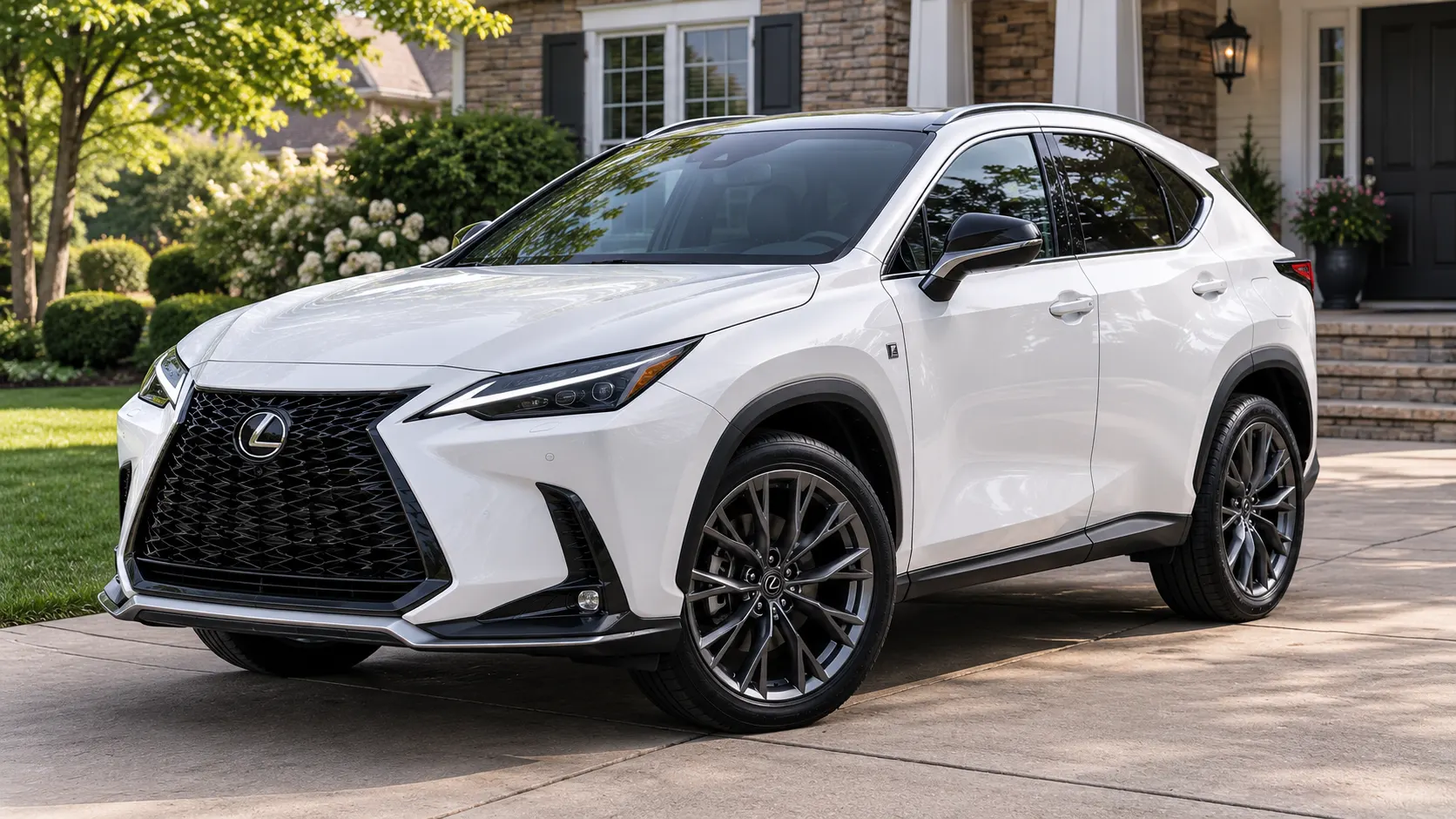
2026 Lexus NX
$45,470–$64,125
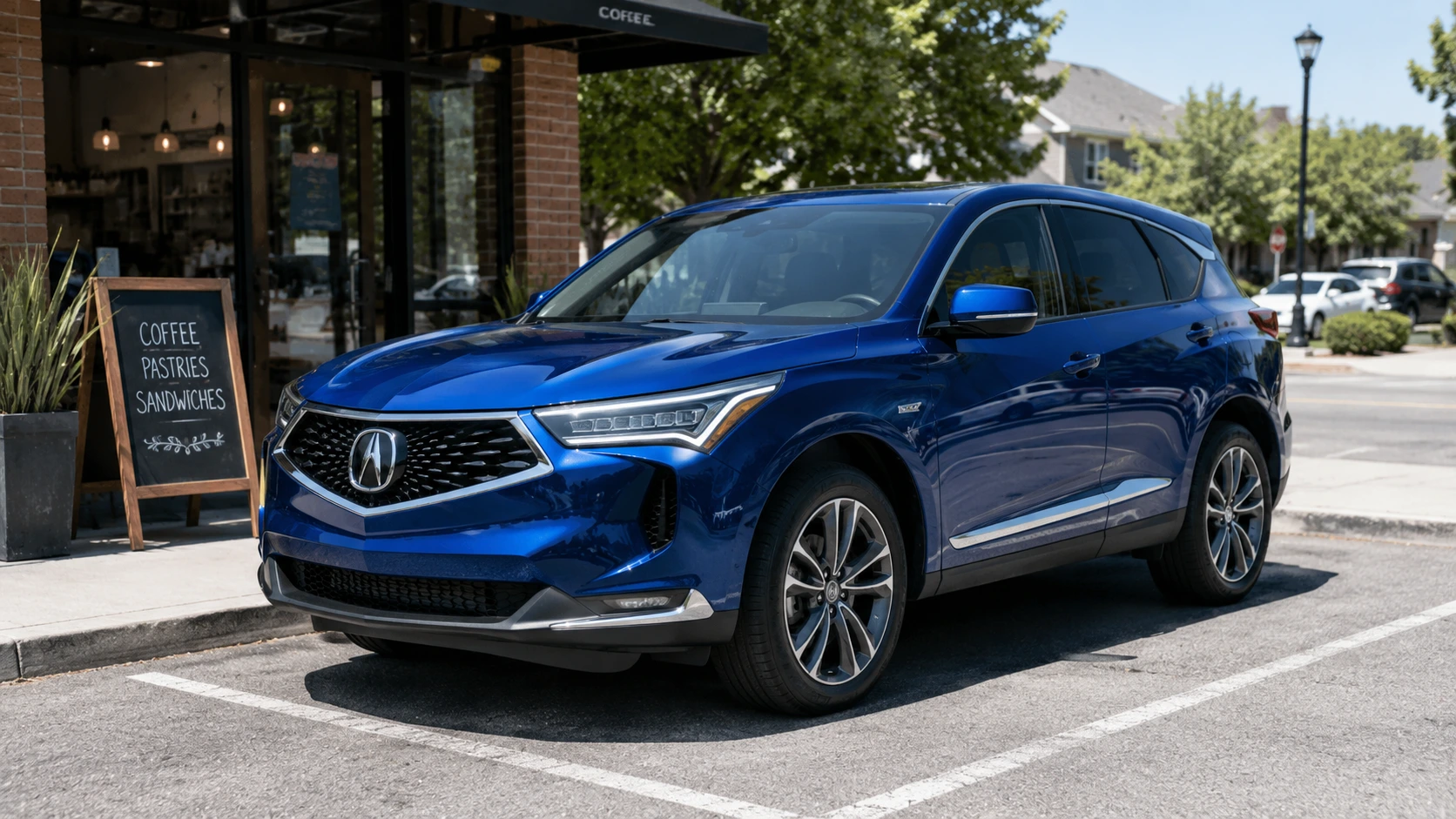
2026 Acura RDX
$45,100–$54,850
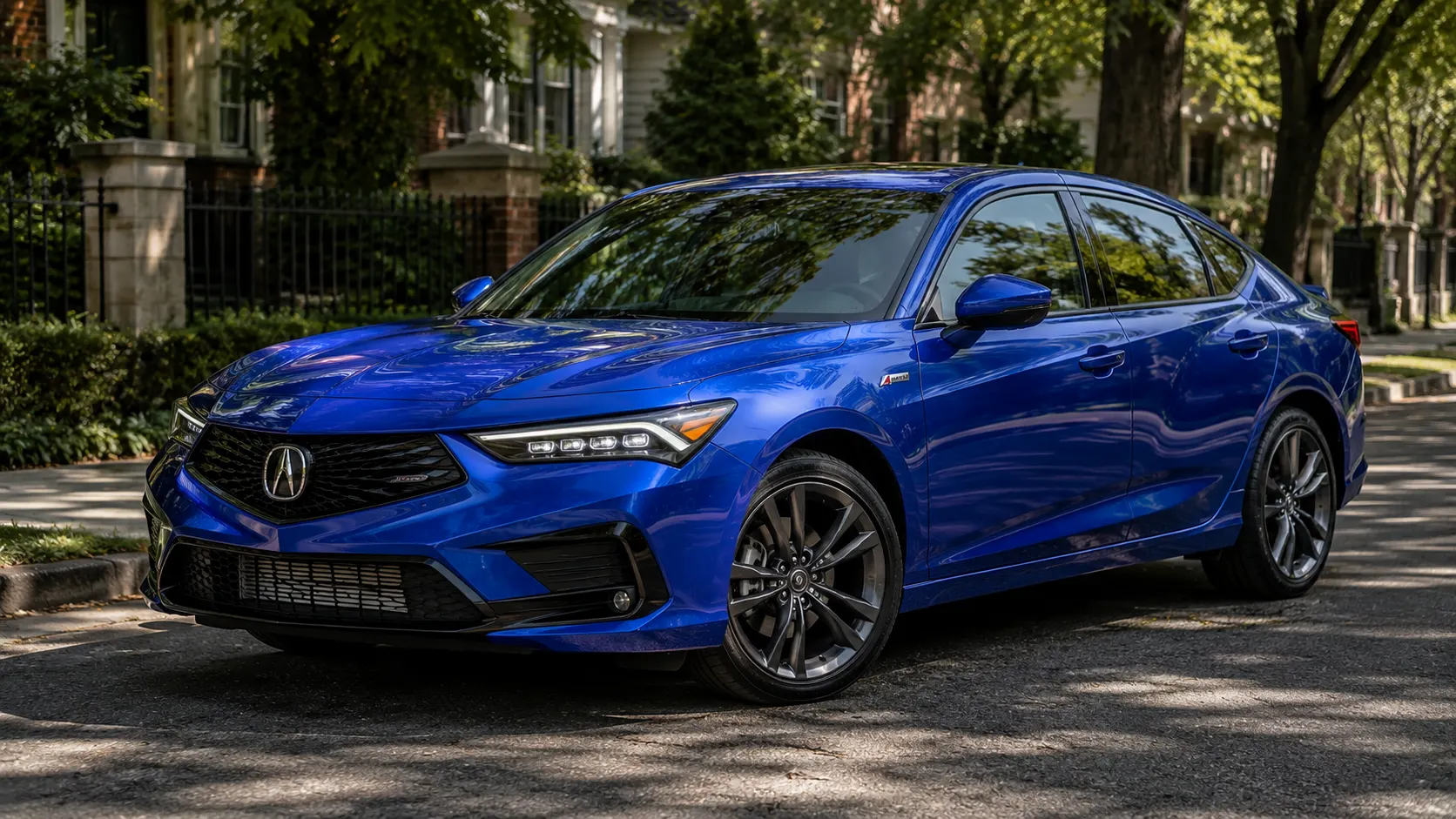
2026 Acura Integra
$34,695–$54,695
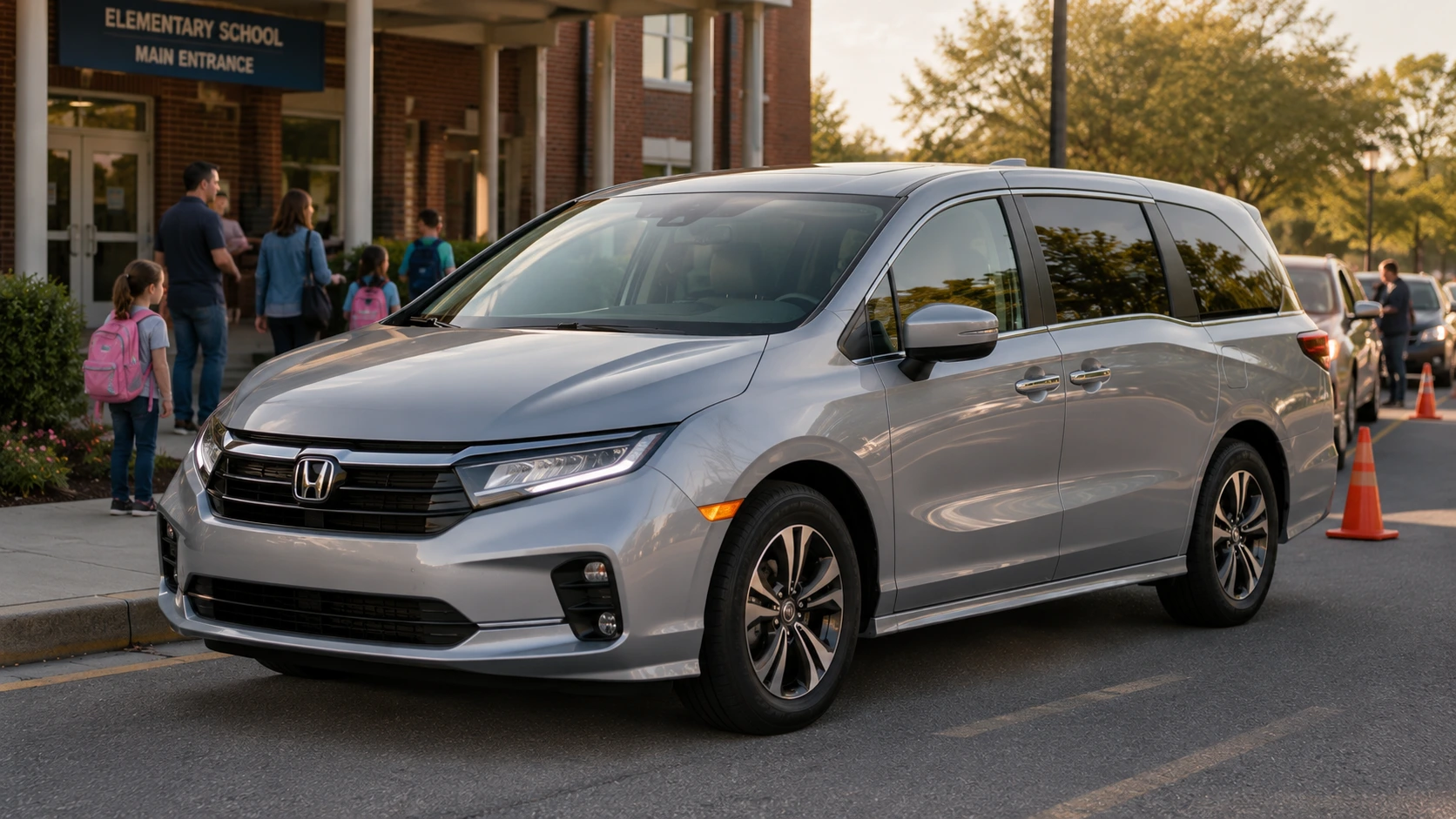
2026 Honda Odyssey
$42,795–$51,695
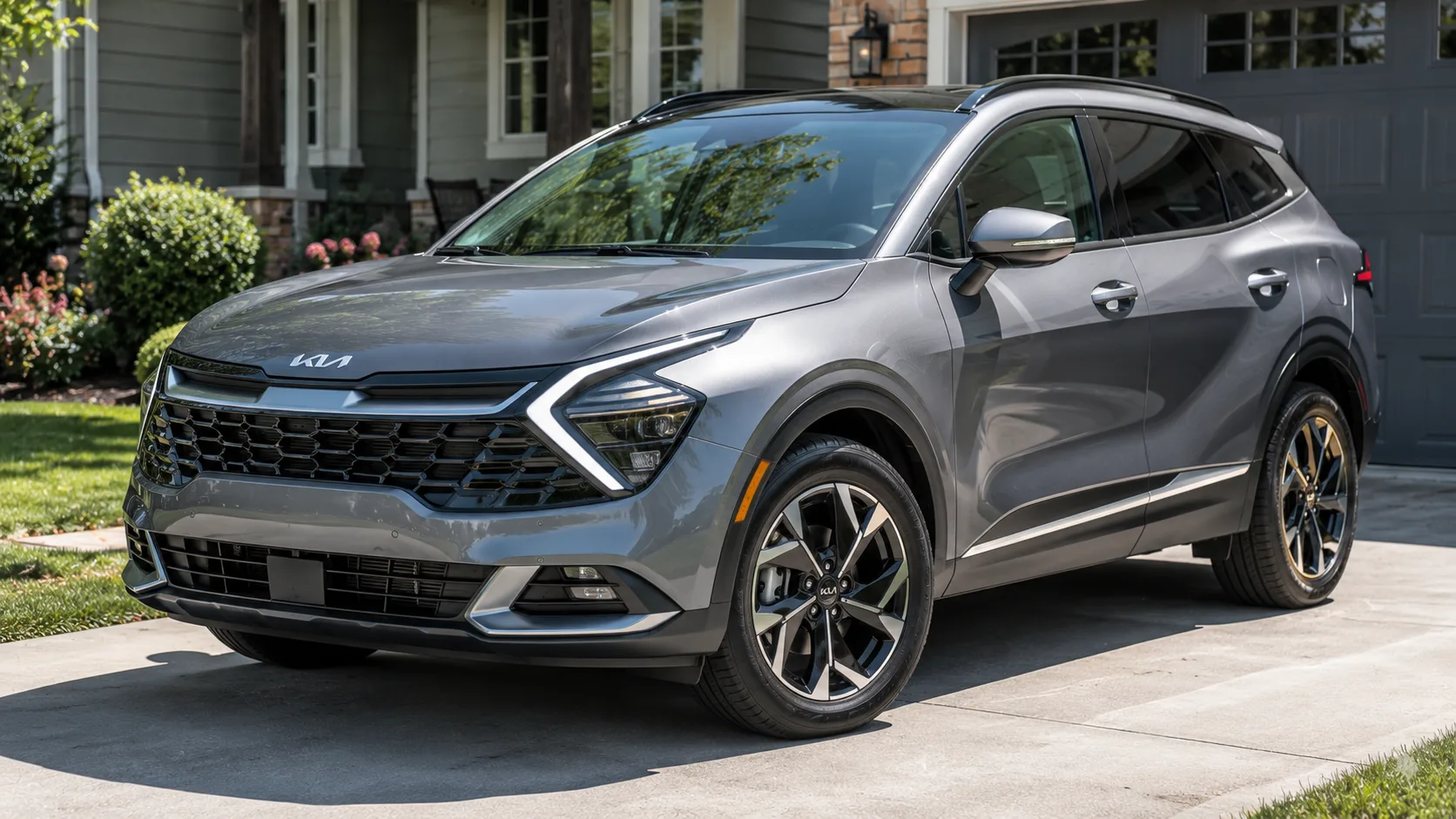
2026 Kia Sportage
$30,285–$41,835
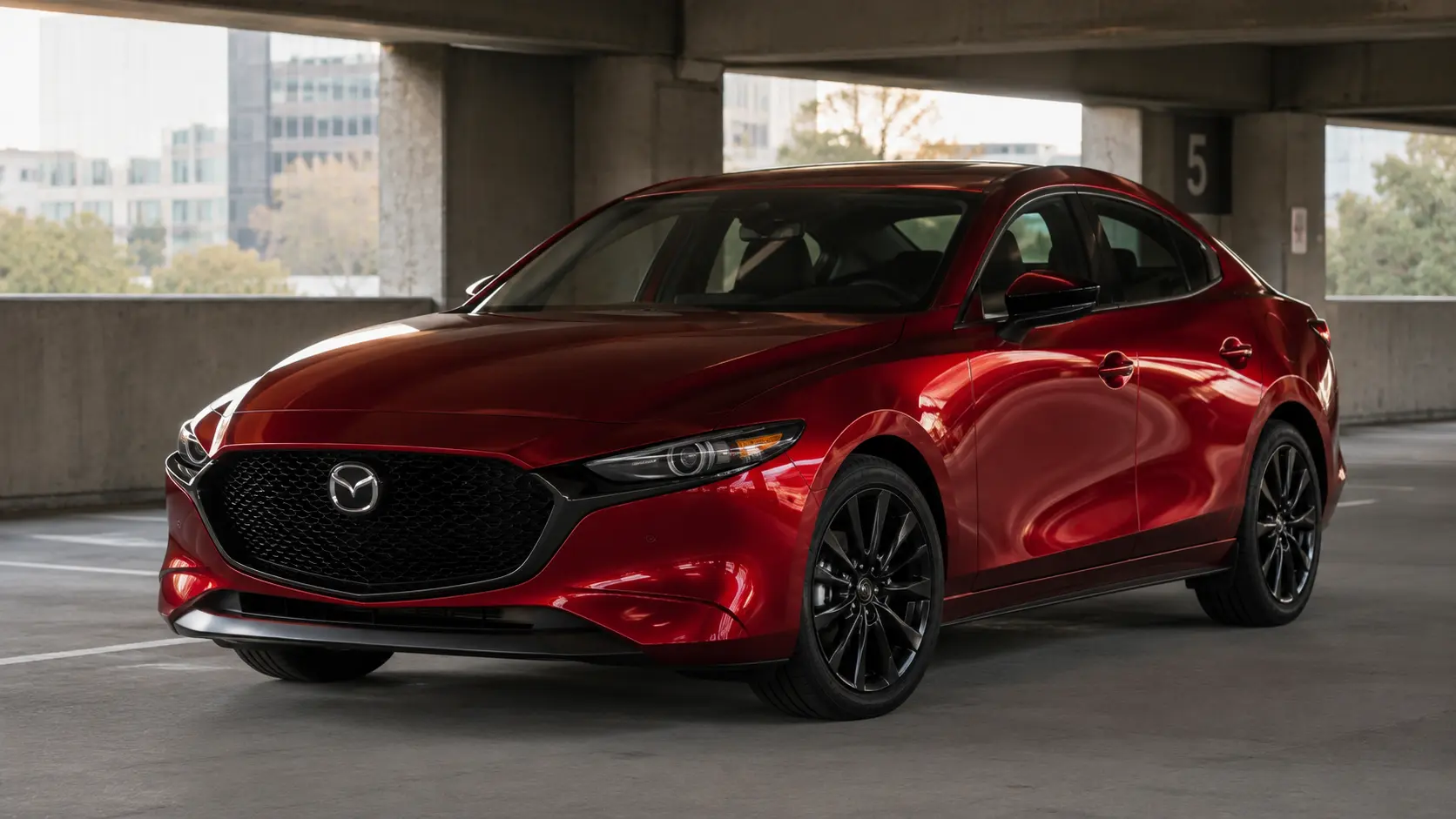
2026 Mazda Mazda3
$24,550–$38,570
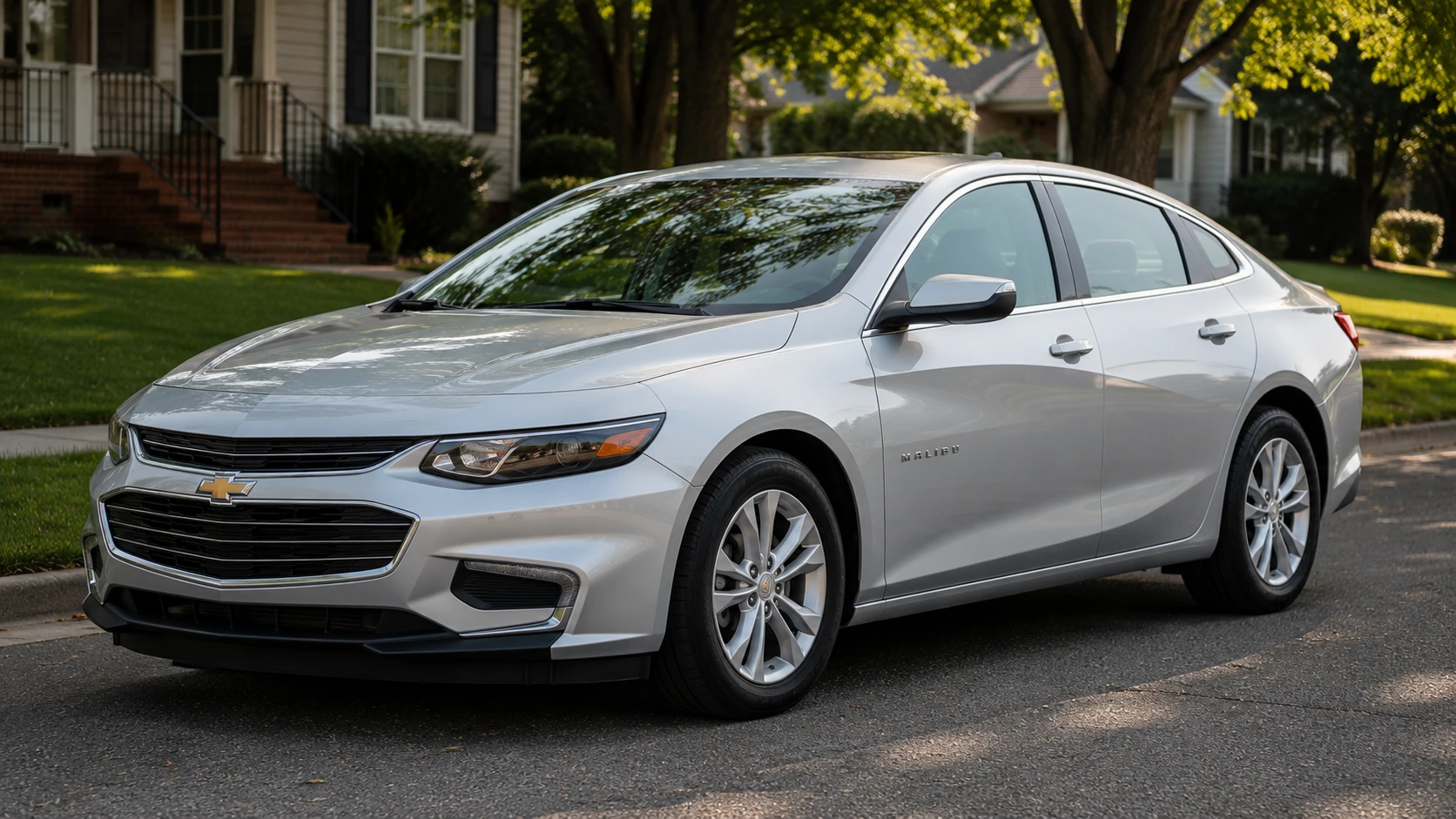
2025 Chevrolet Malibu
$25,800–$30,000
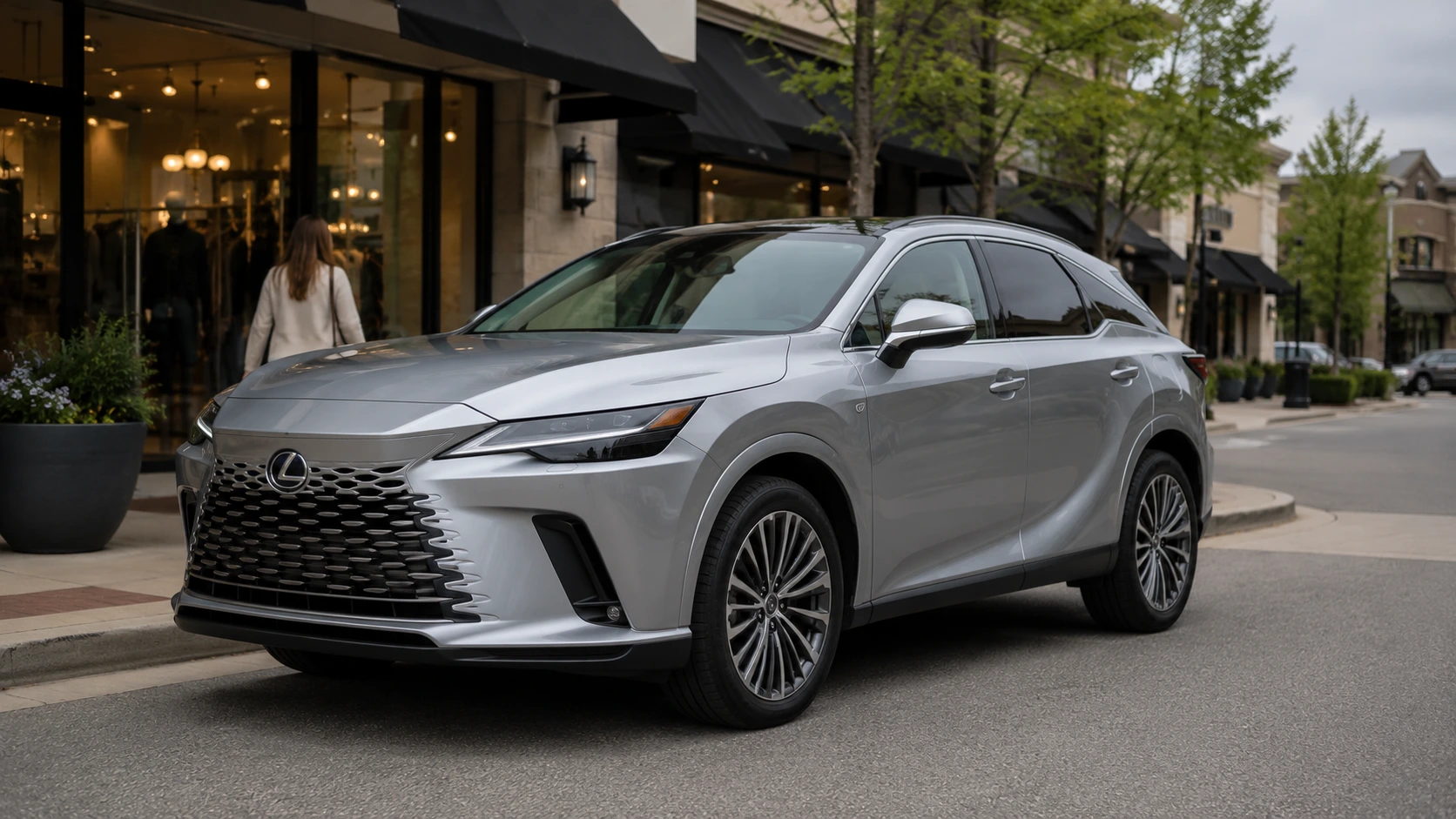
2026 Lexus RX
$49,725–$62,045
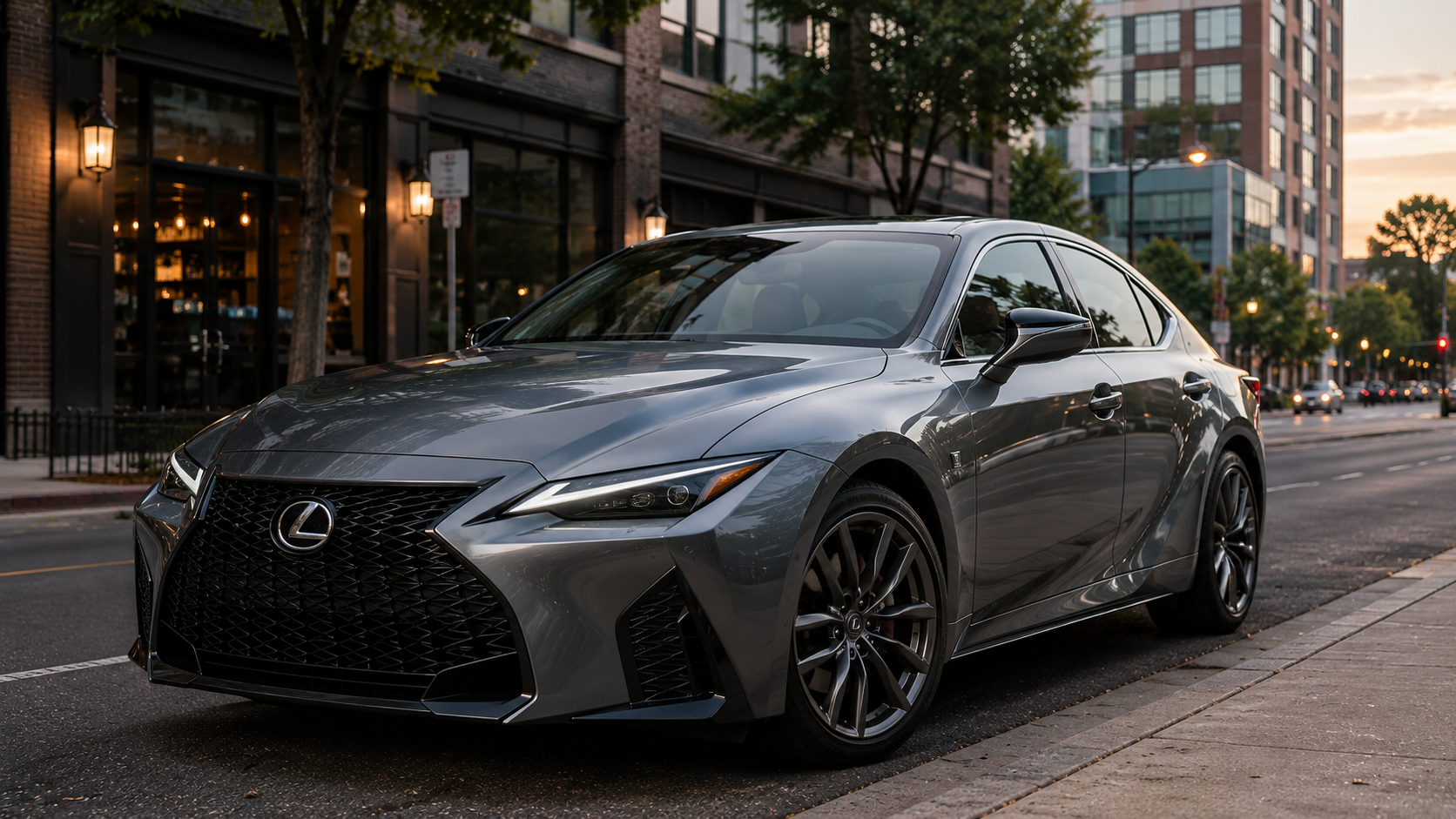
2026 Lexus IS
$46,795–$51,245
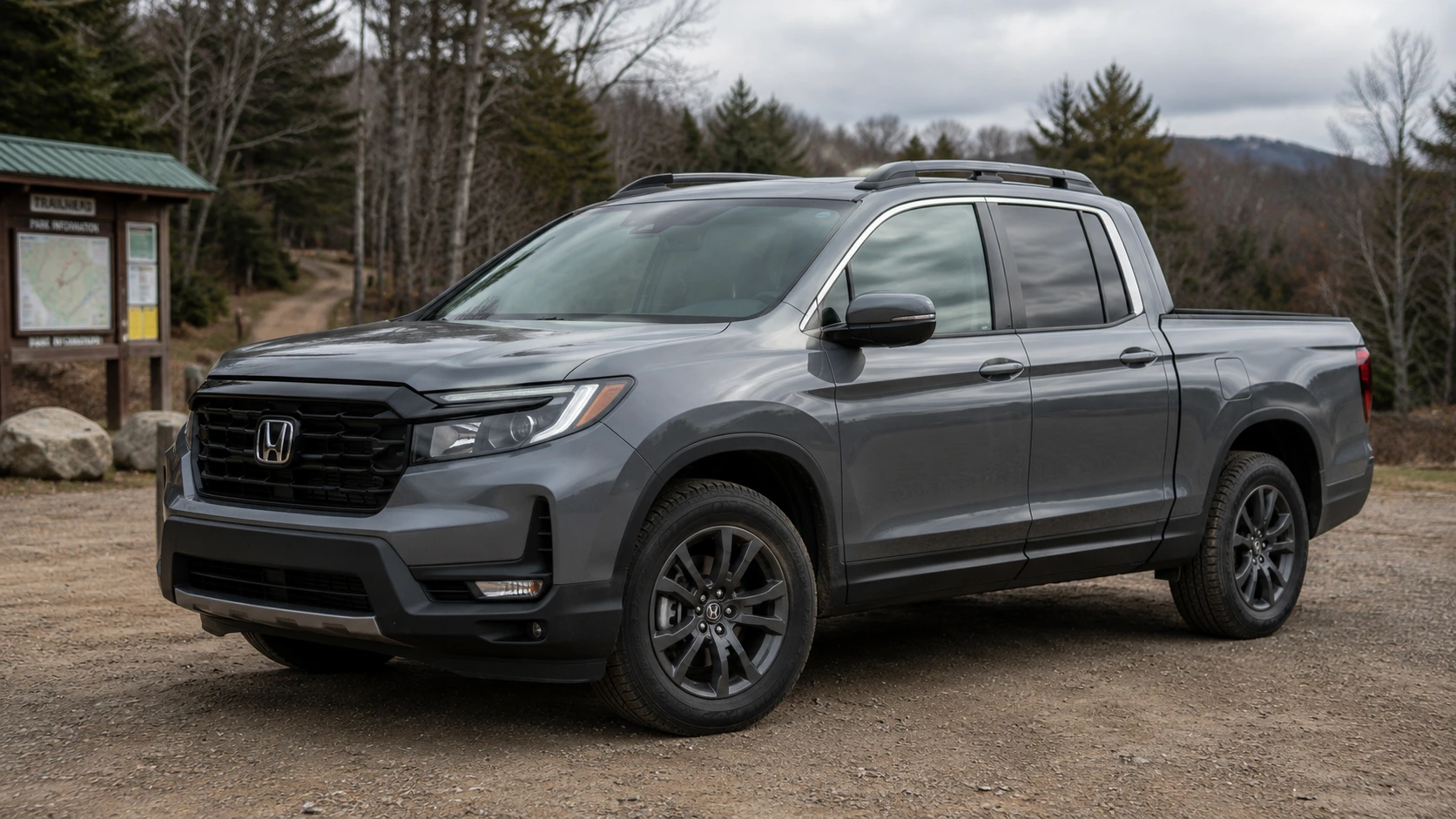
2026 Honda Ridgeline
$42,290–$49,190
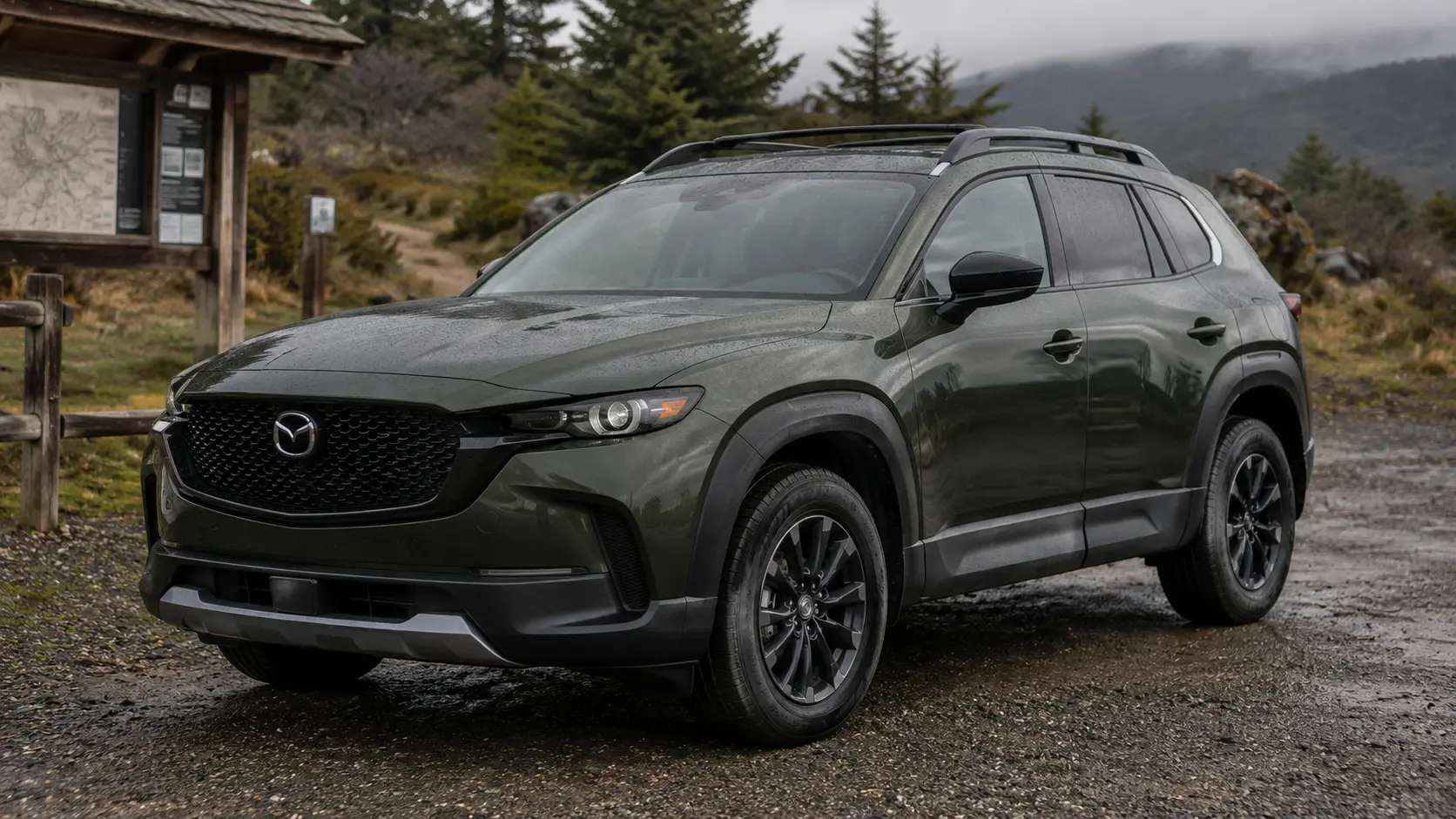
2026 Mazda CX-50
$29,900–$43,845
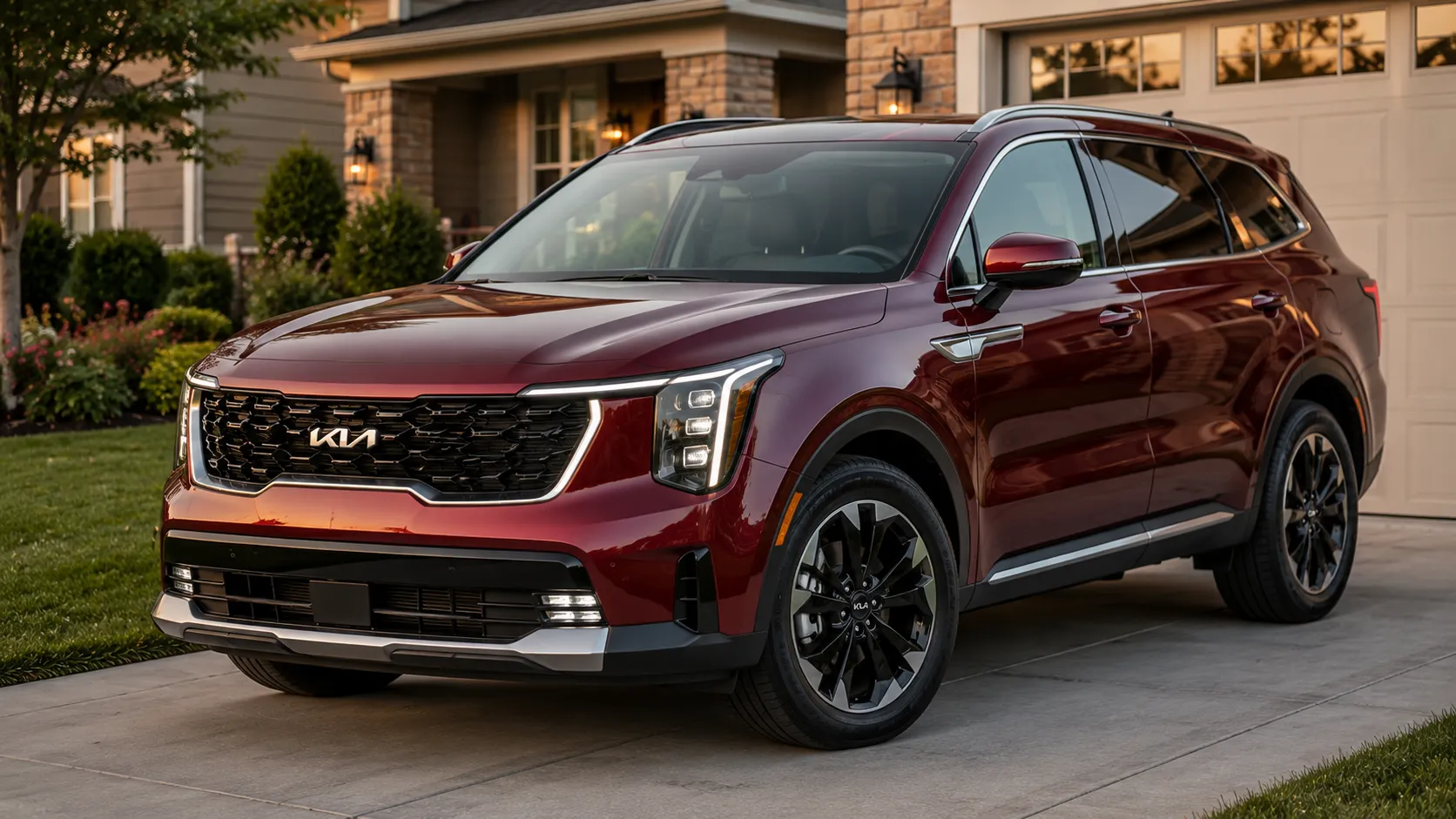
2026 Kia Sorento
$32,390–$47,190
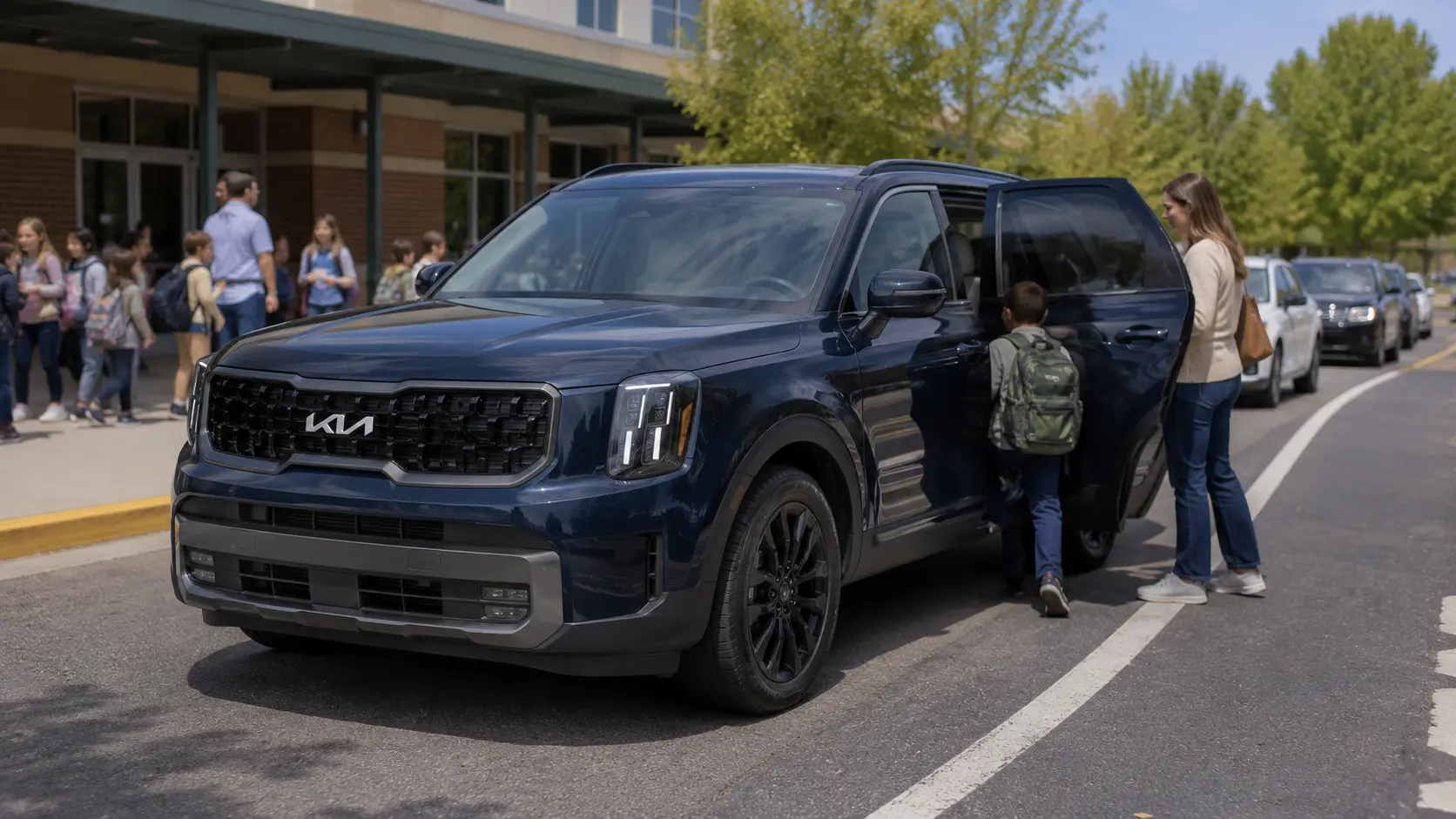
2026 Kia Telluride
$36,890–$48,000
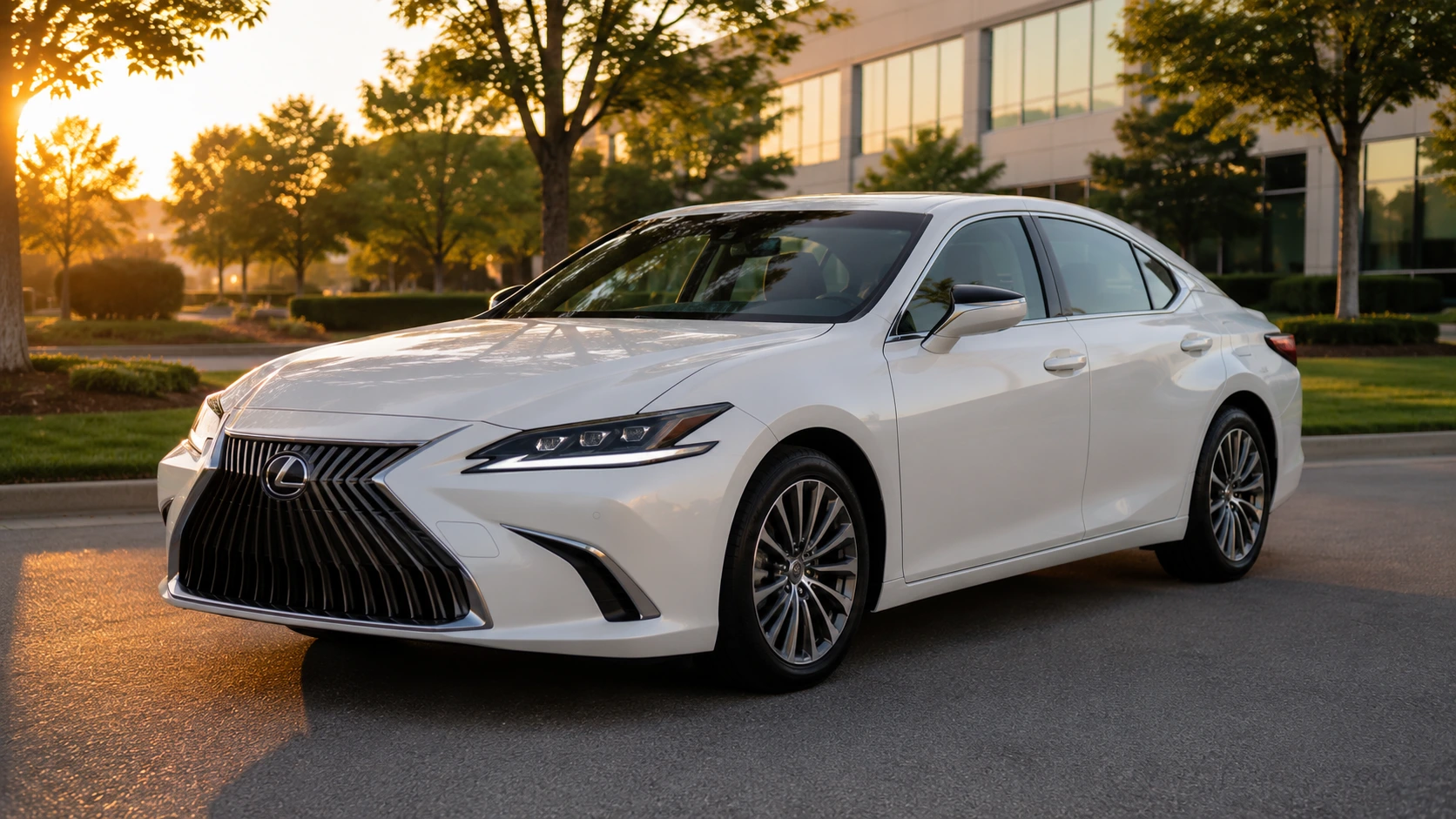
2026 Lexus ES
$47,500–$55,895
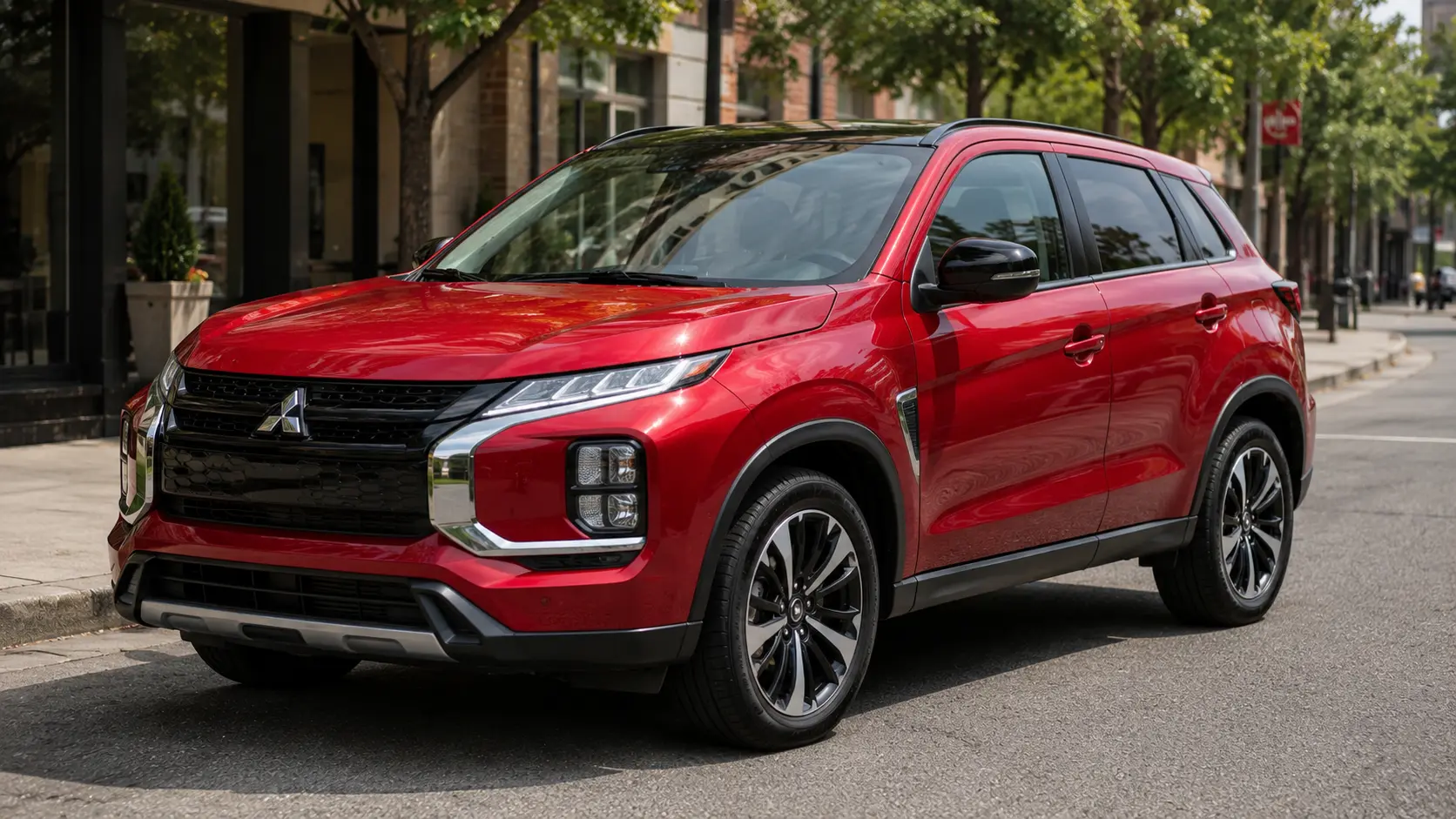
2026 Mitsubishi Outlander Sport
$24,995–$29,445
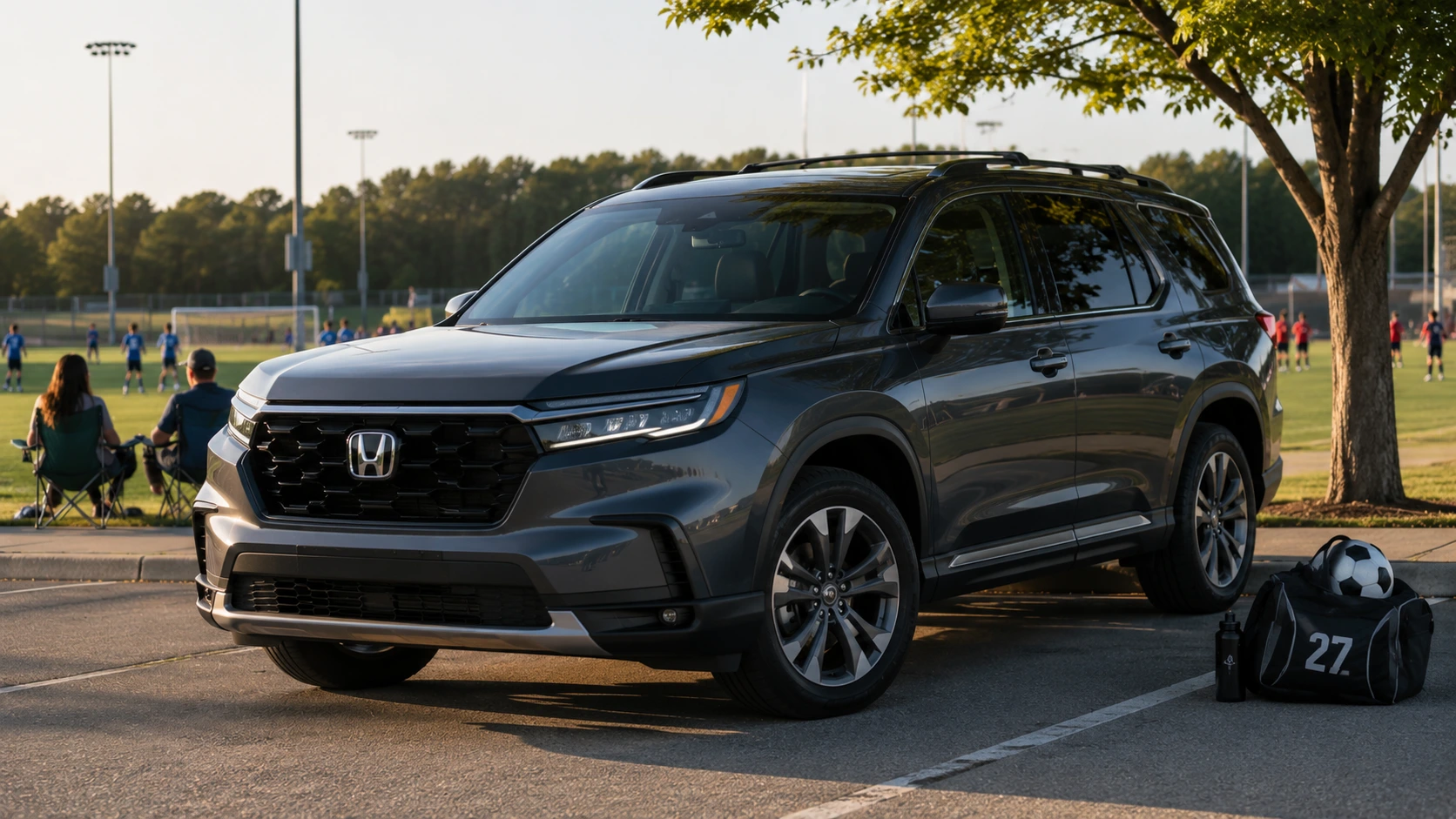
2026 Honda Pilot
$42,395–$55,195
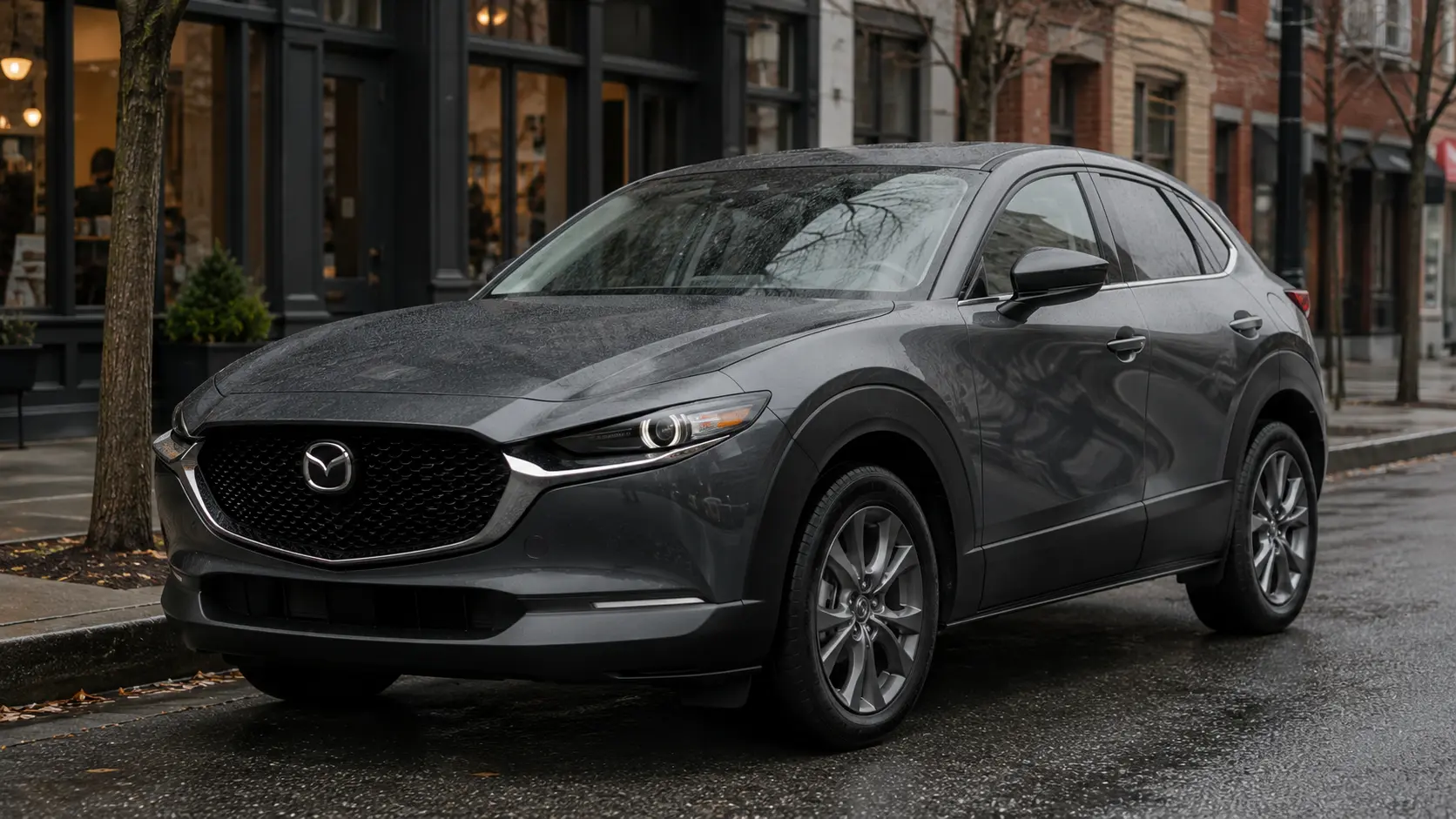
2026 Mazda CX-30
$25,975–$37,900
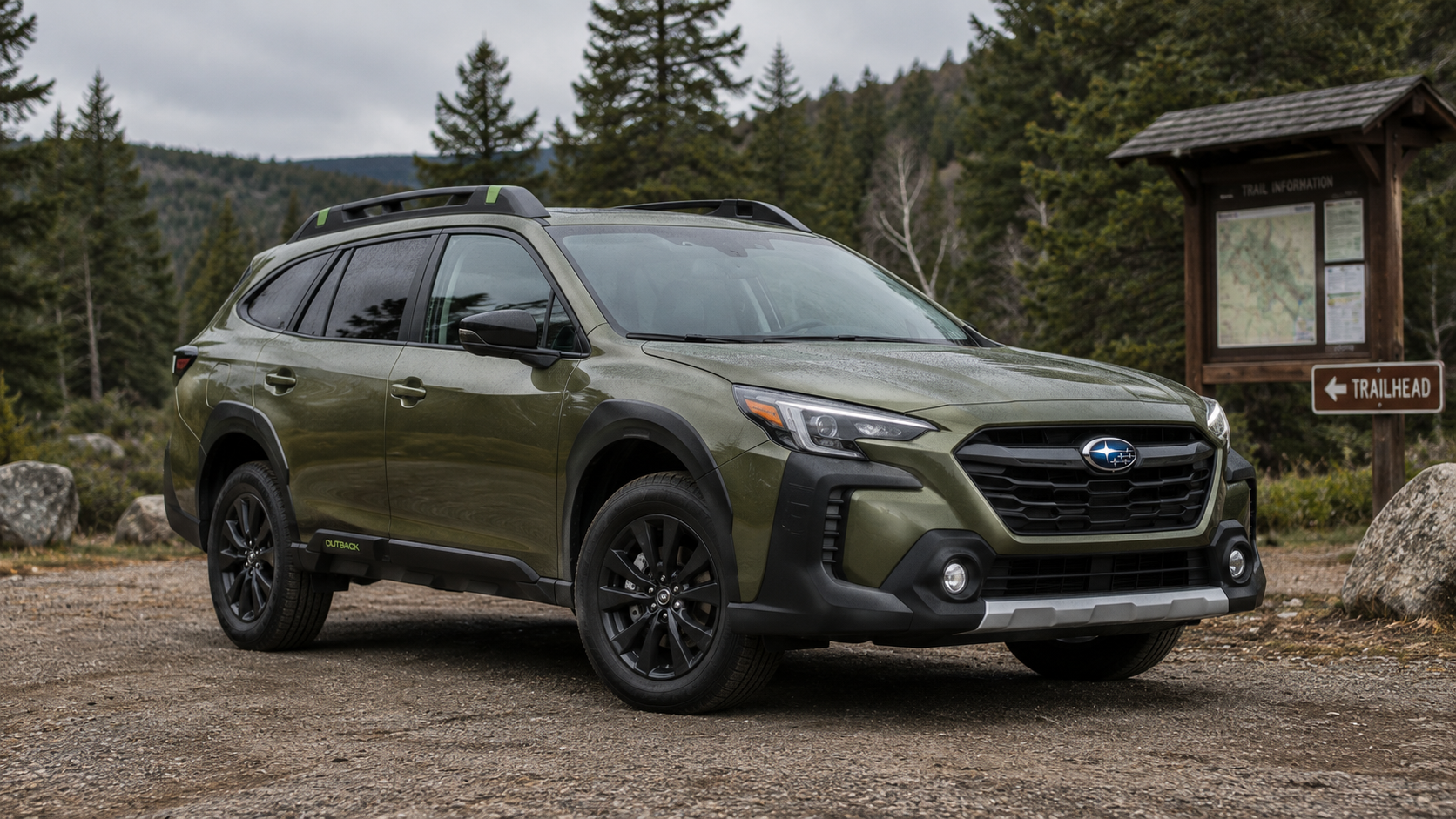
2026 Subaru Outback
$34,995–$47,995
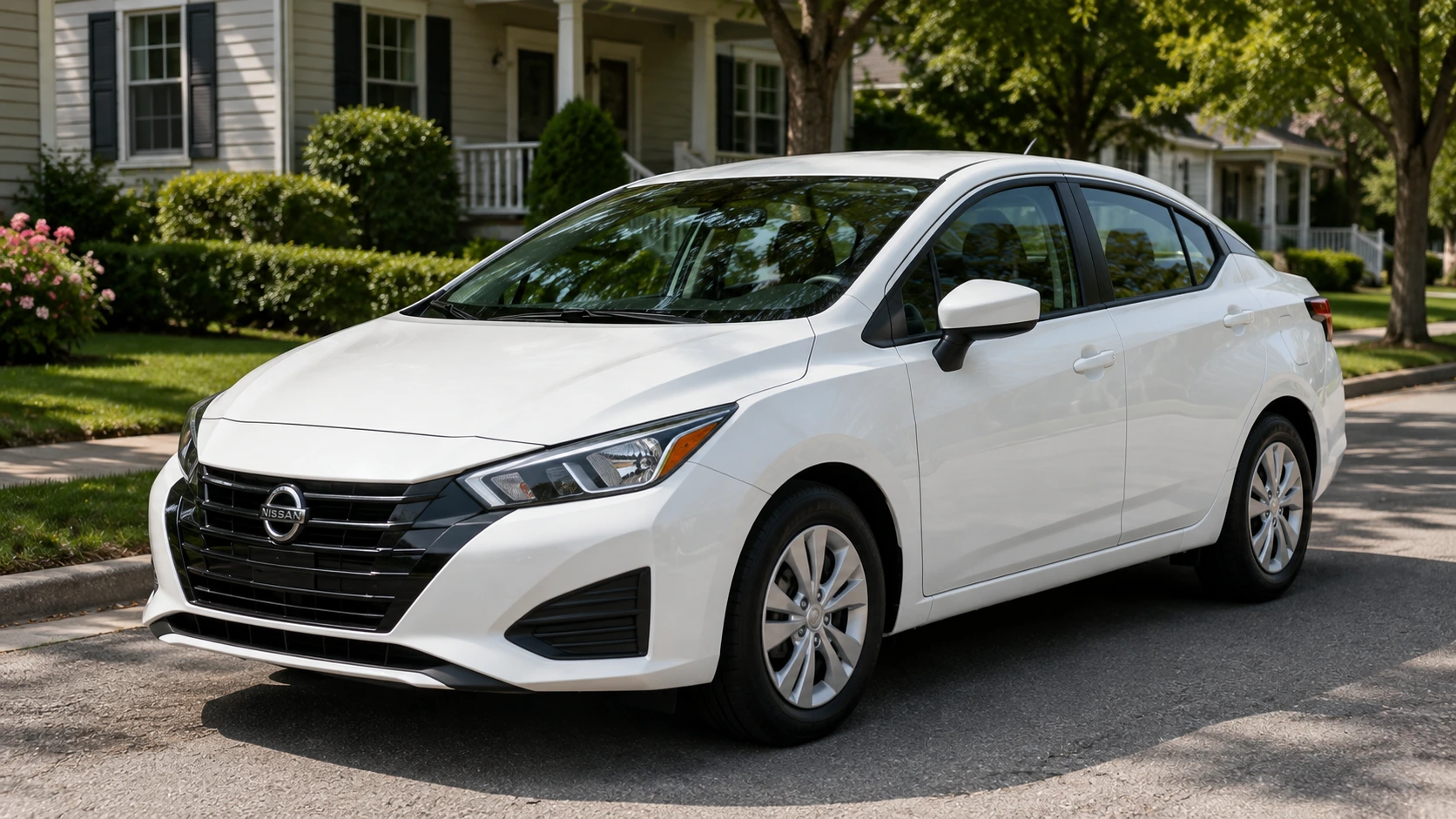
2025 Nissan Versa
$17,390–$19,190
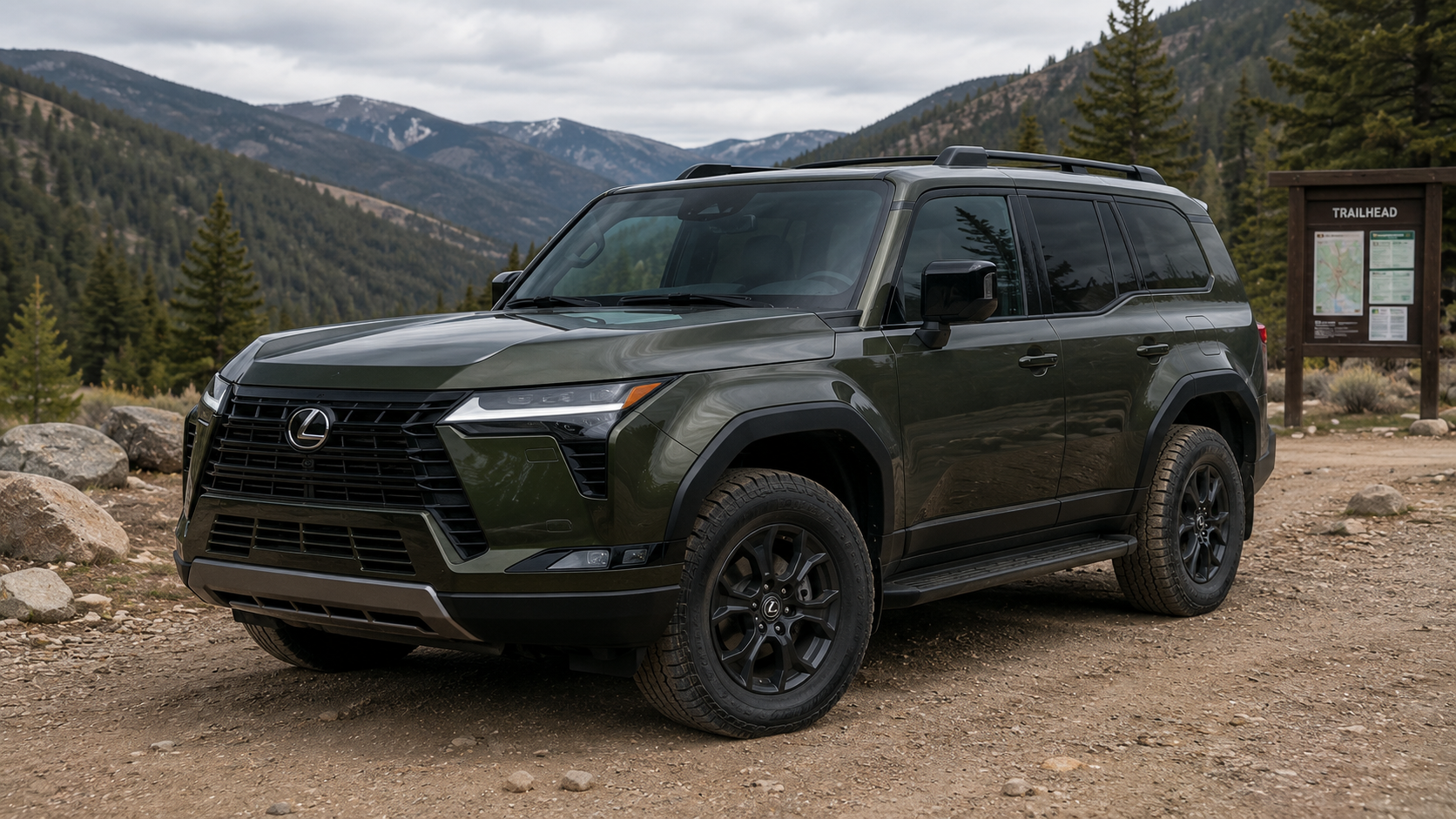
2026 Lexus GX
$67,735–$84,200
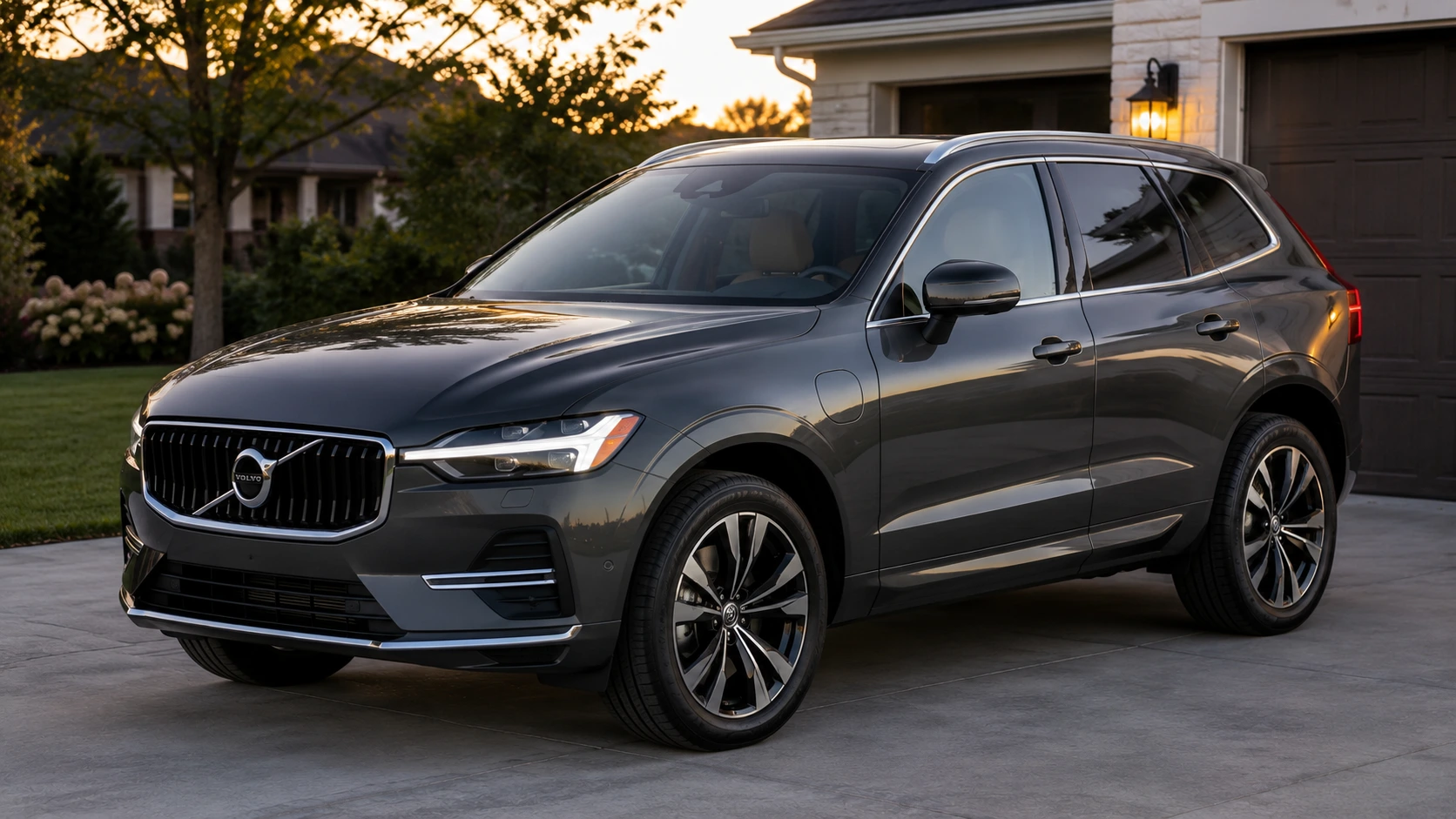
2026 Volvo XC60
$50,995–$79,800
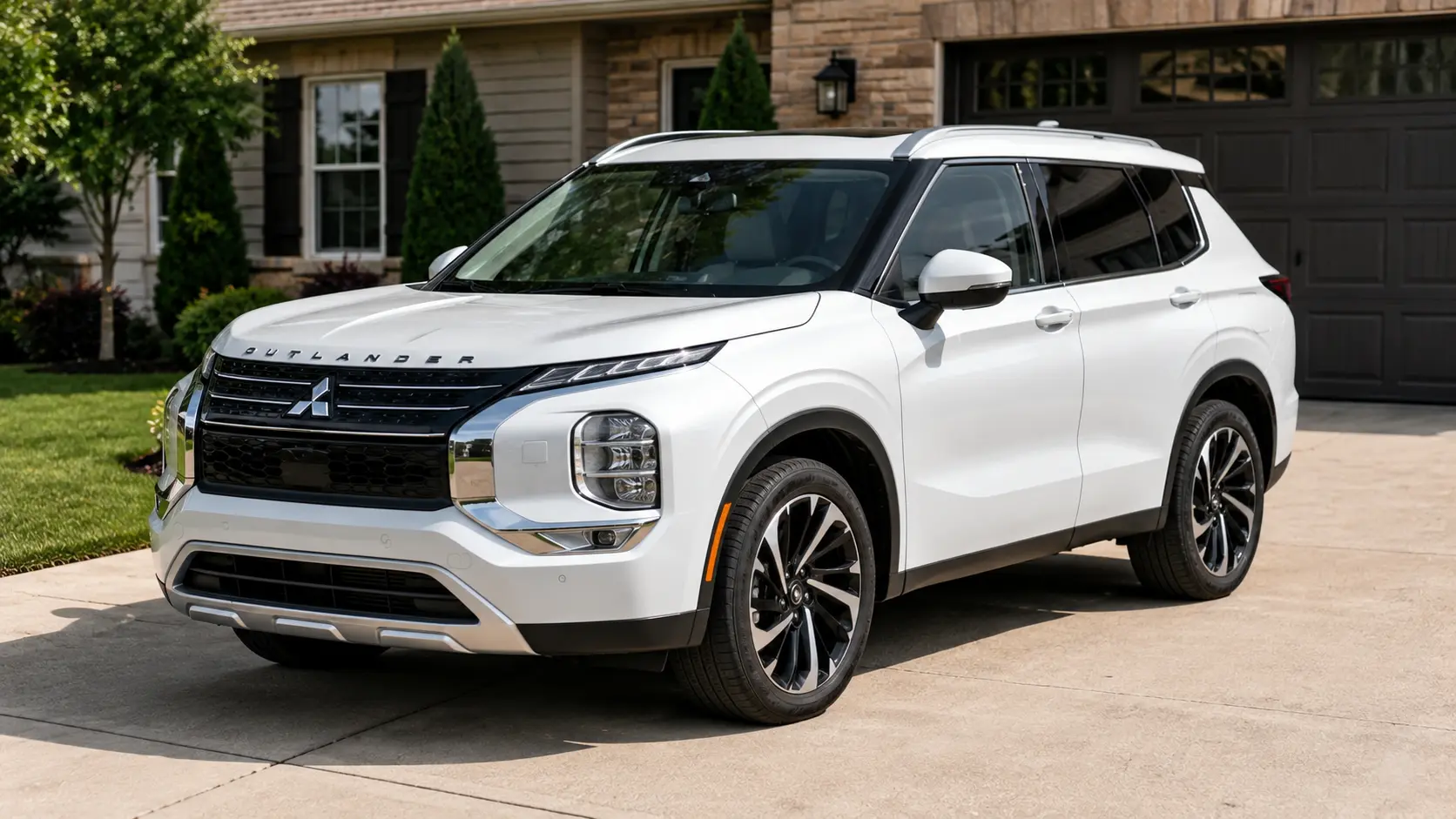
2026 Mitsubishi Outlander
$29,995–$42,645
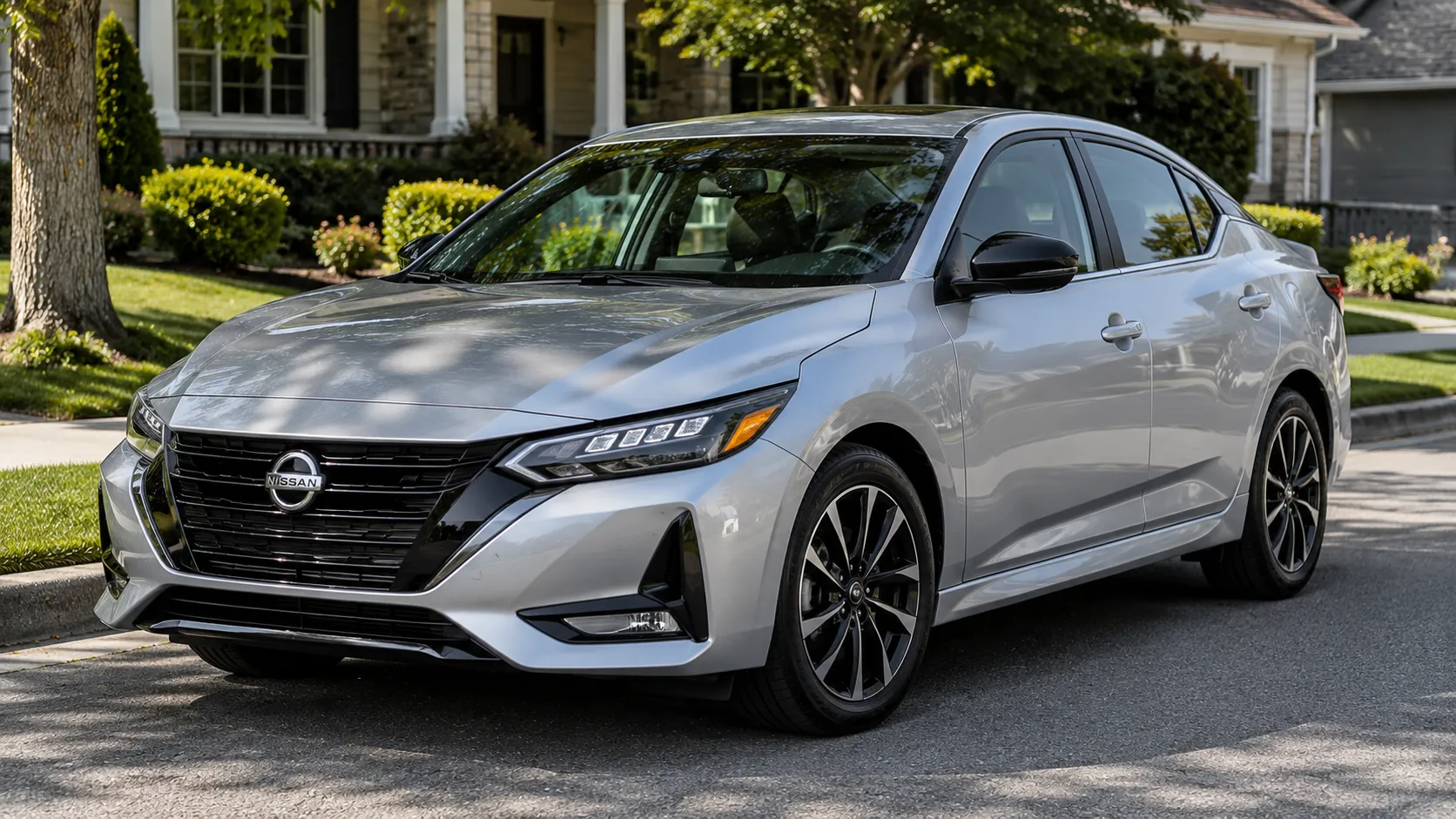
2026 Nissan Sentra
$22,600–$27,990
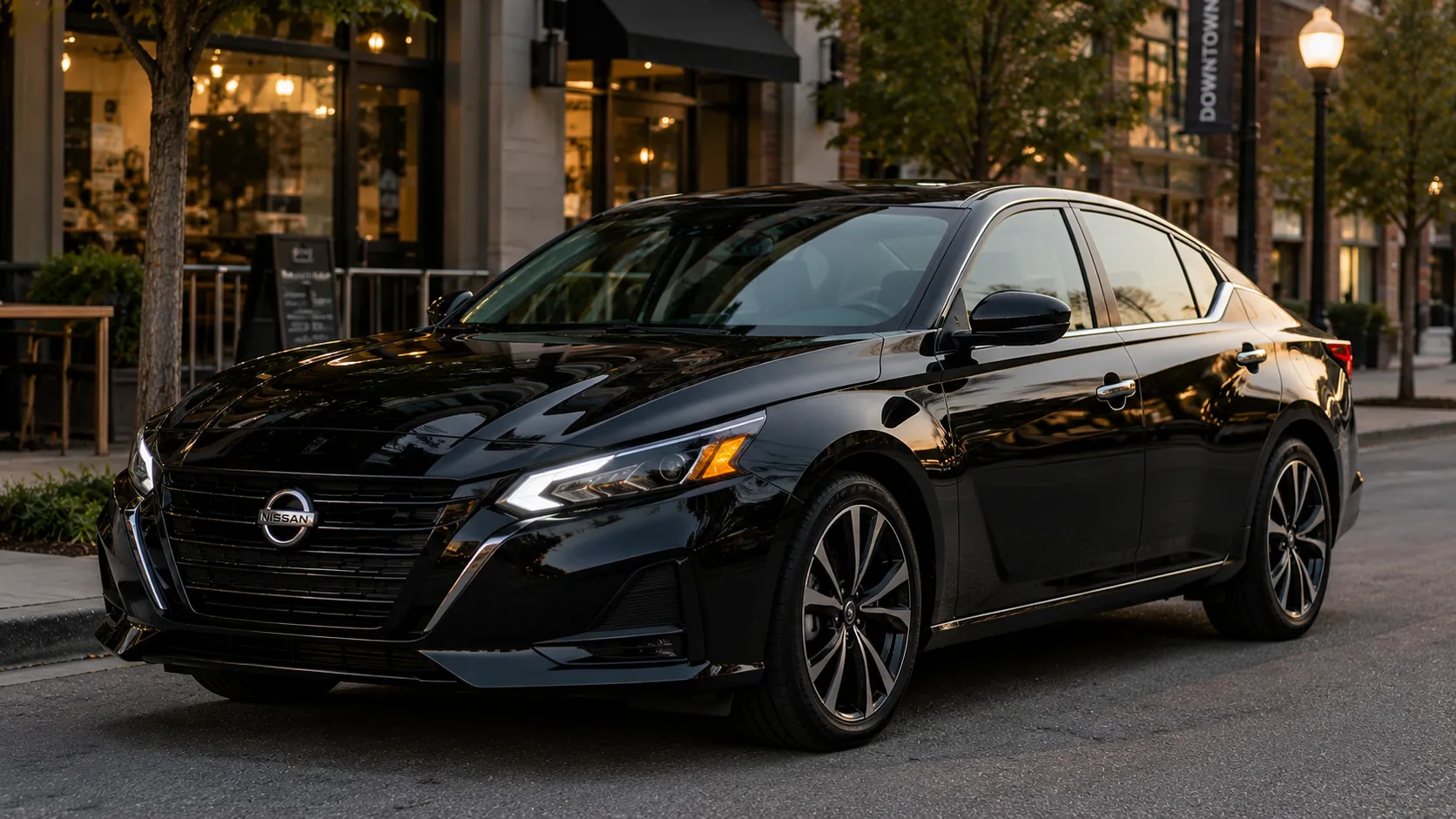
2026 Nissan Altima
$27,580–$30,980
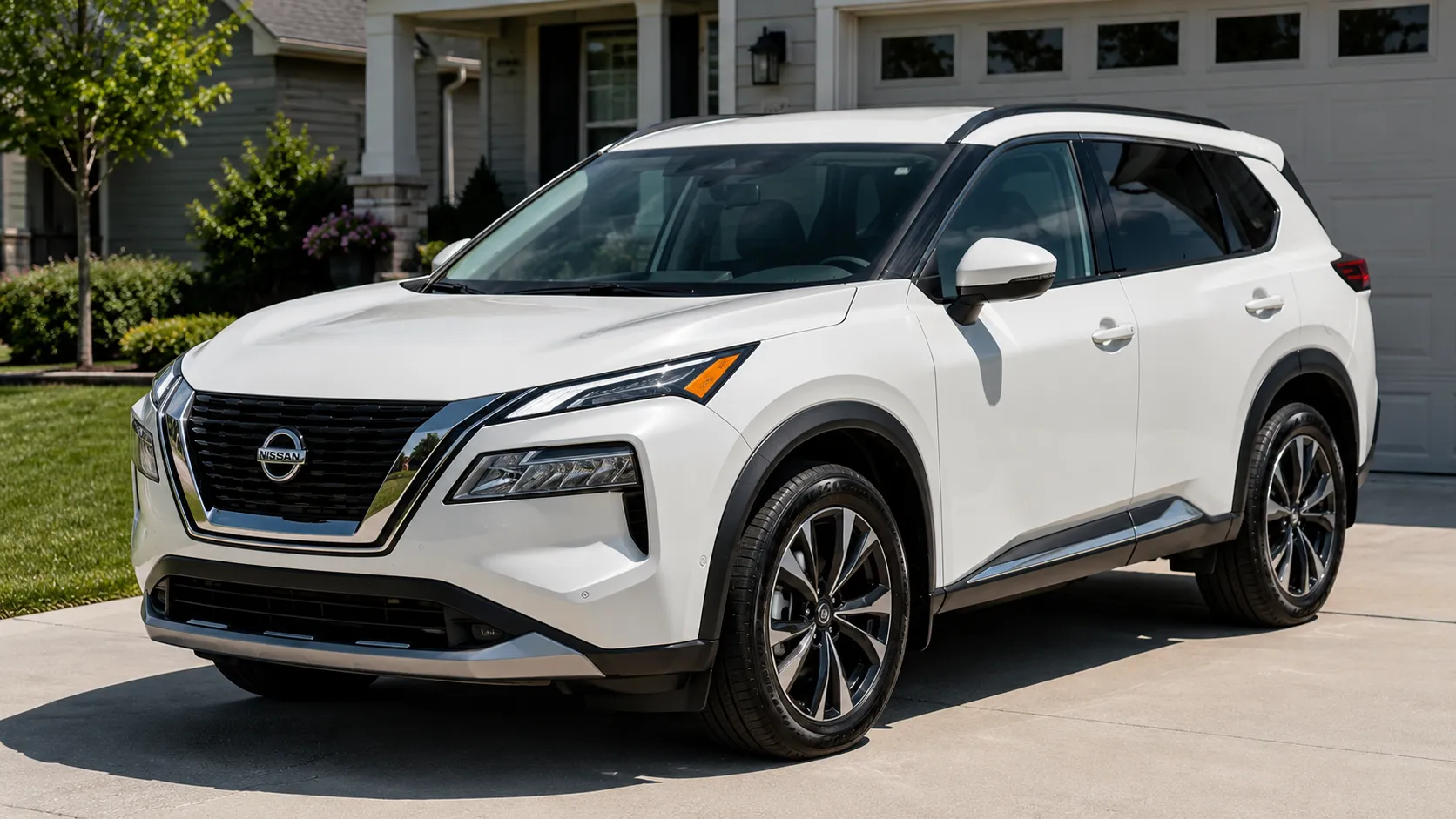
2026 Nissan Rogue
$28,790–$38,000
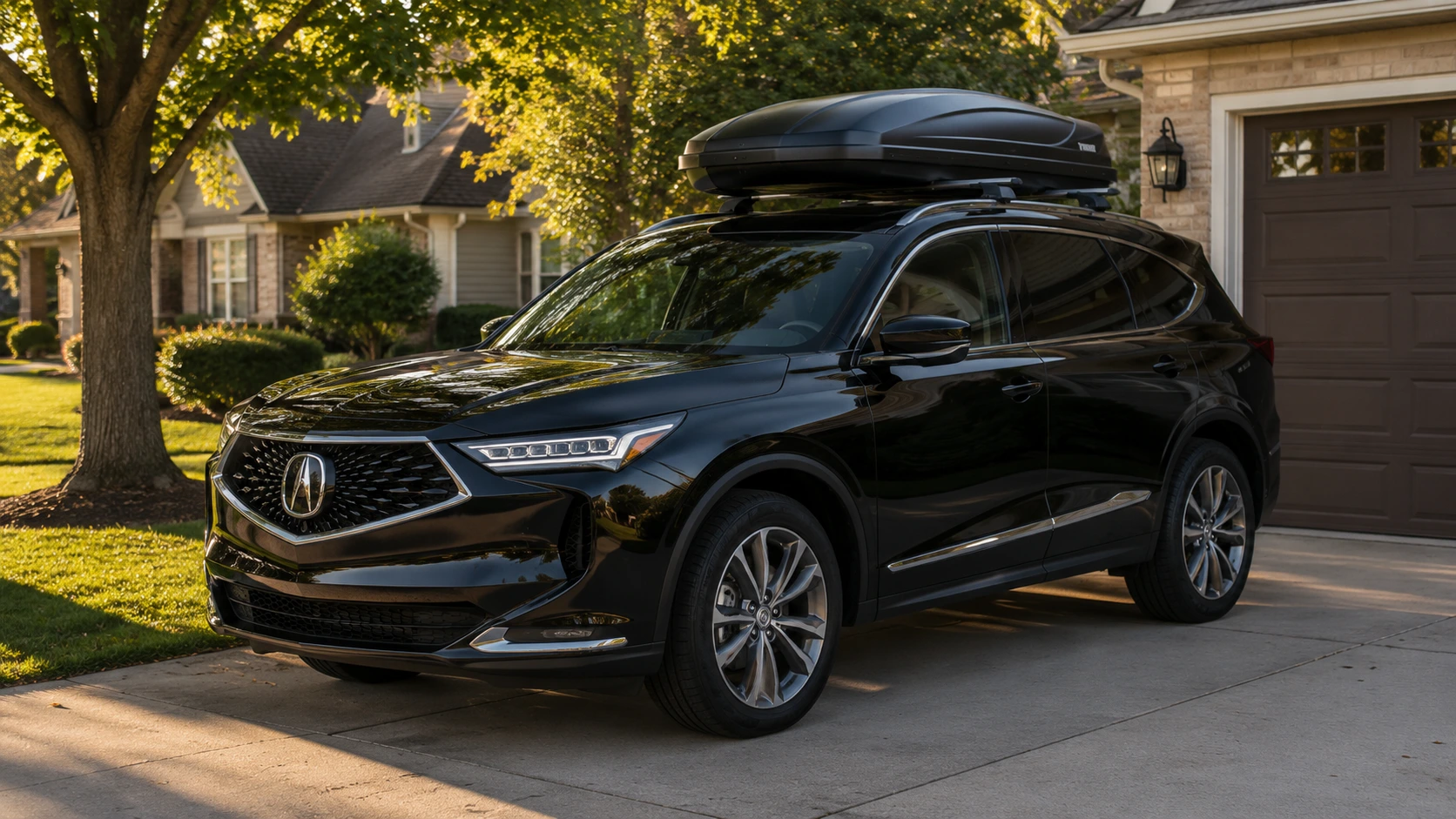
2026 Acura MDX
$51,800–$75,850
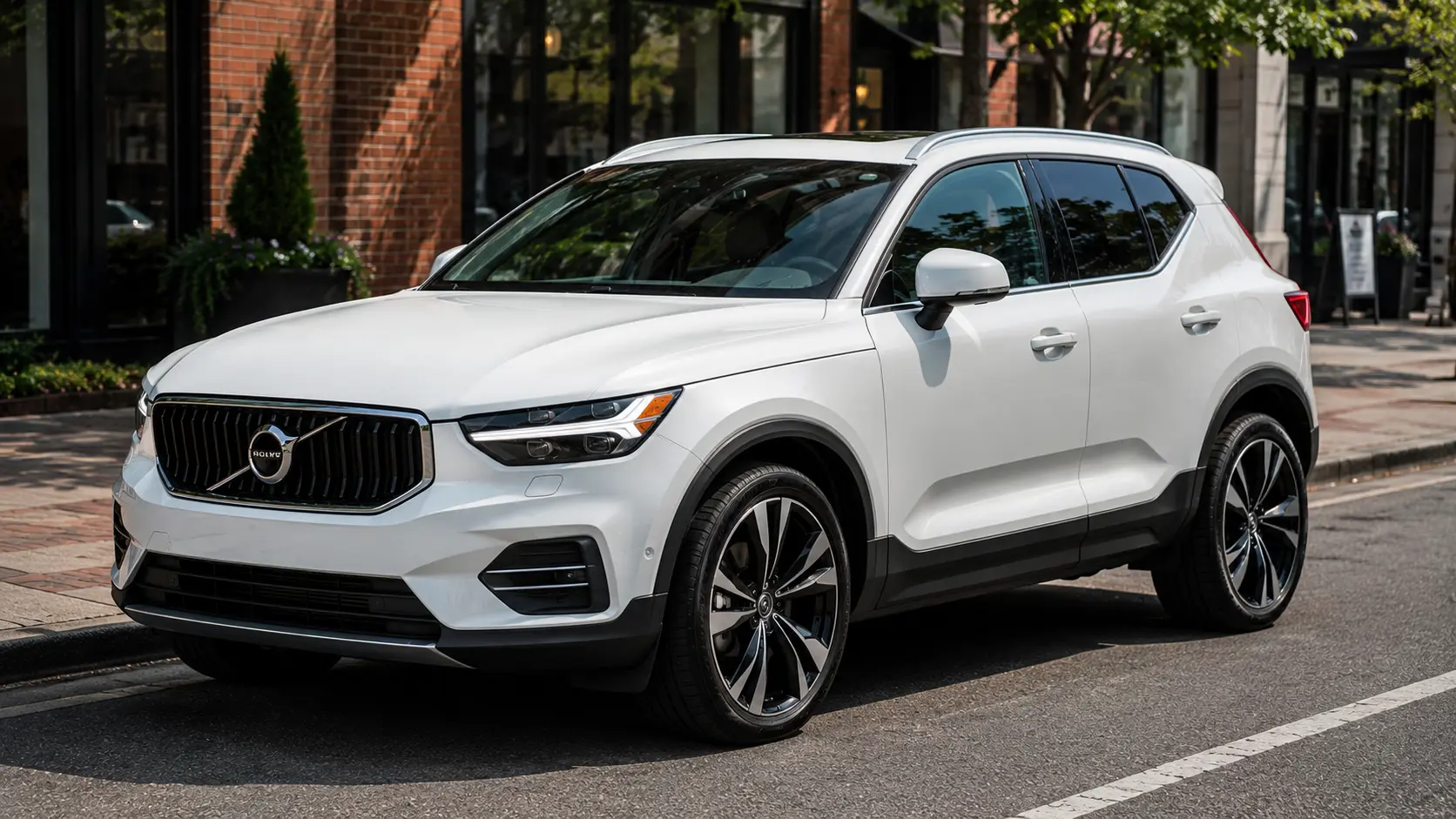
2026 Volvo XC40
$39,900–$53,195
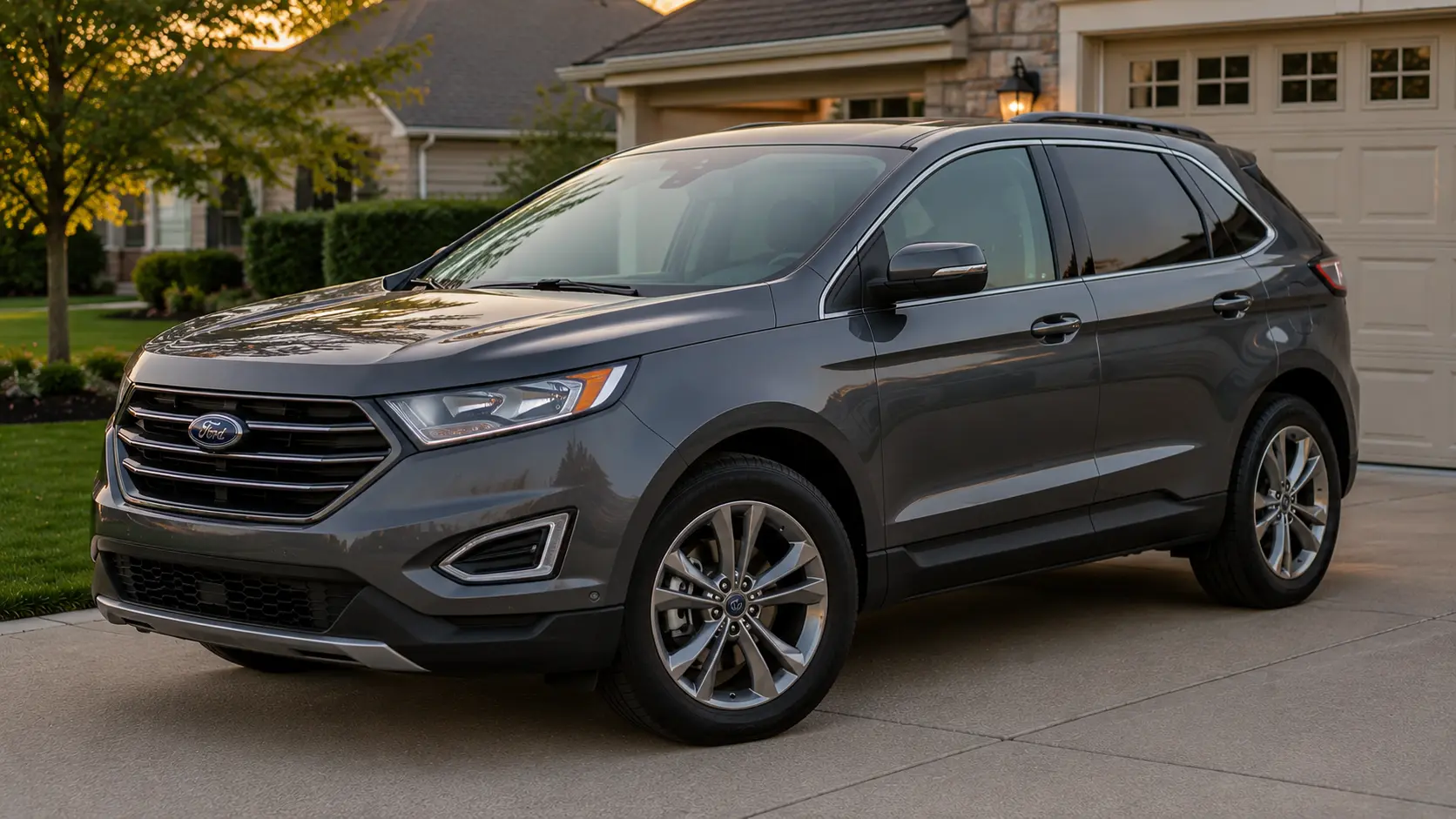
2024 Ford Edge
$36,000–$44,000
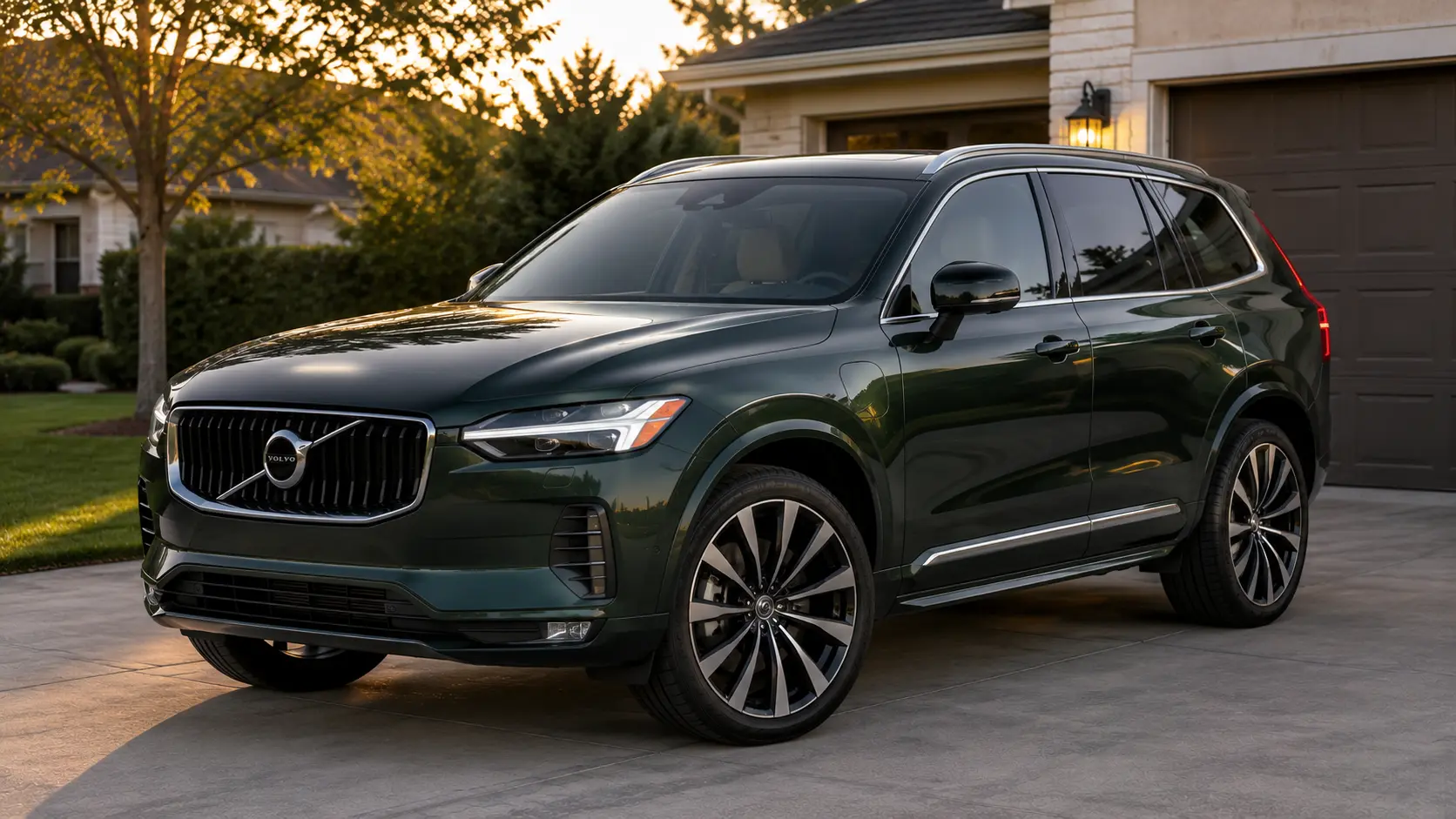
2026 Volvo XC90
$62,345–$85,195
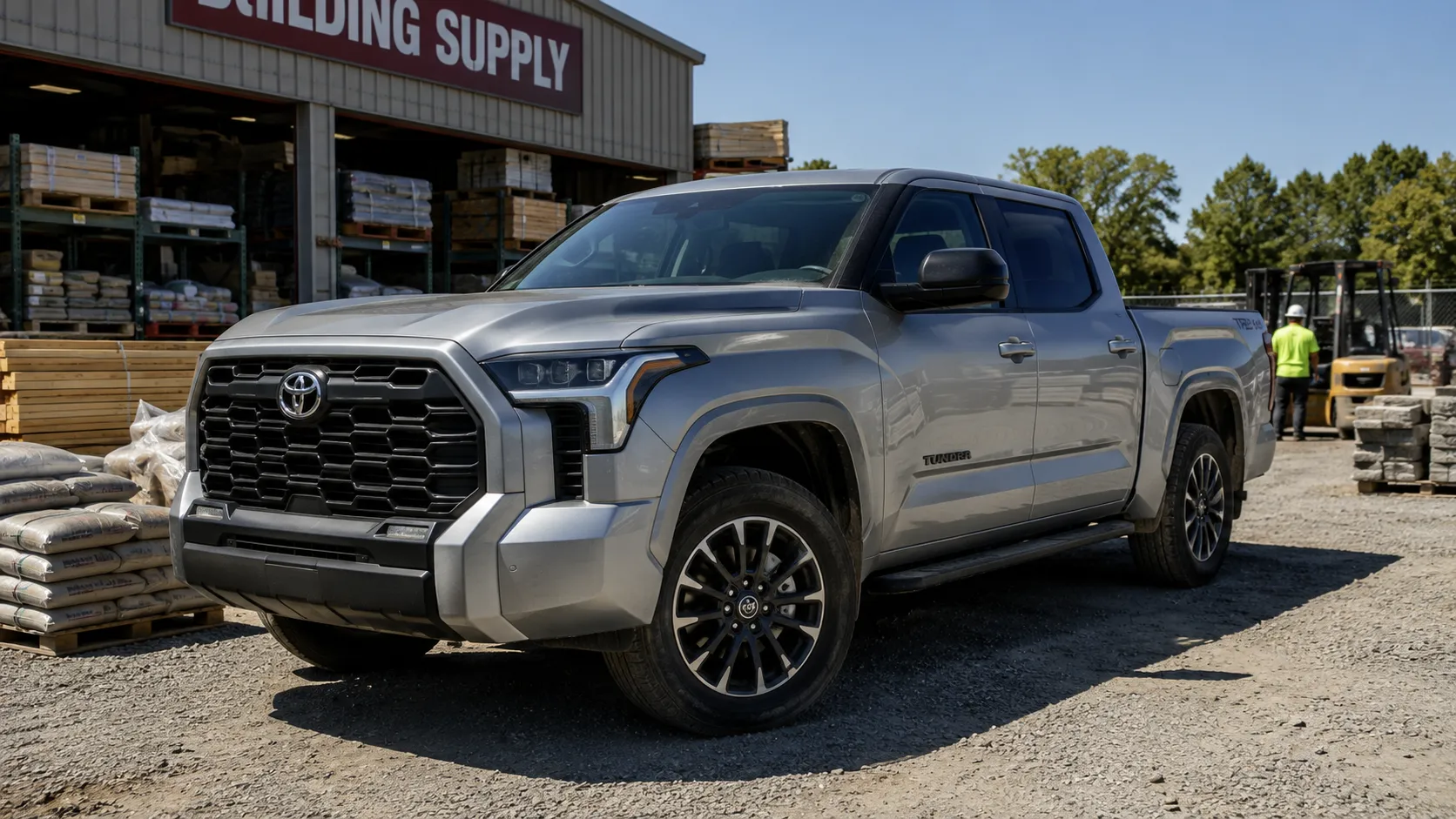
2026 Toyota Tundra
$40,000–$58,000
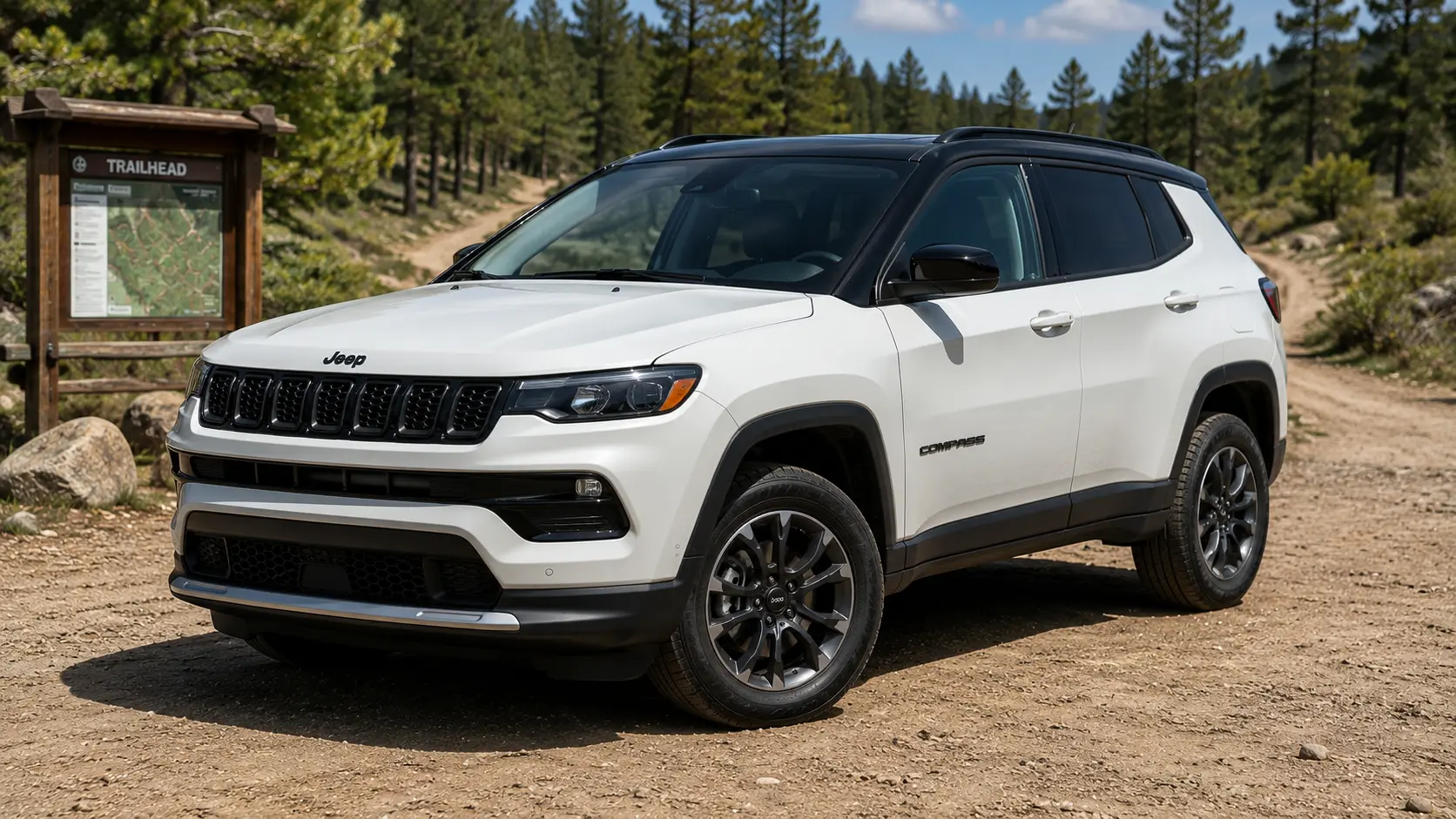
2026 Jeep Compass
$31,330–$35,745
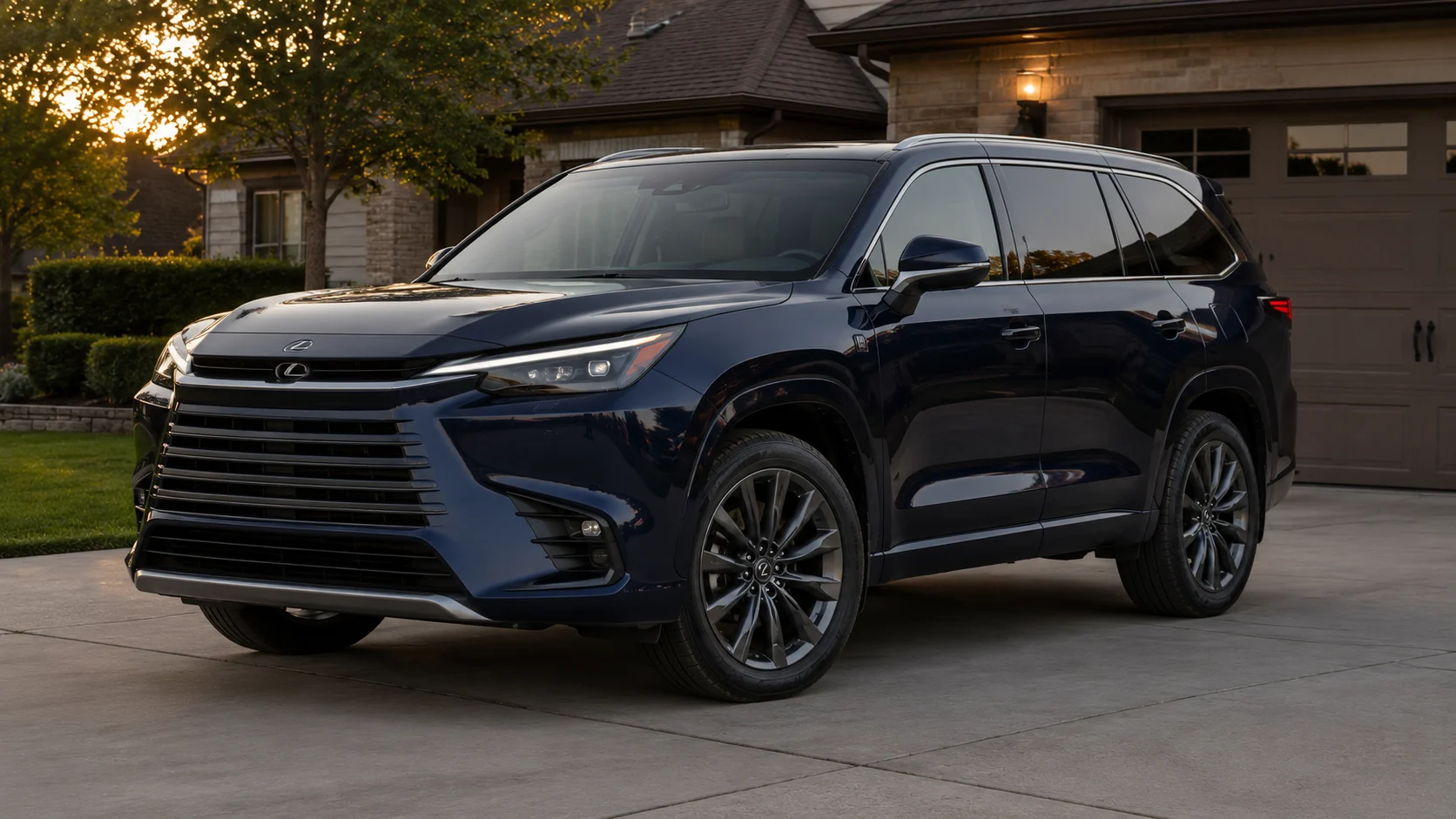
2026 Lexus TX
$59,490–$81,760
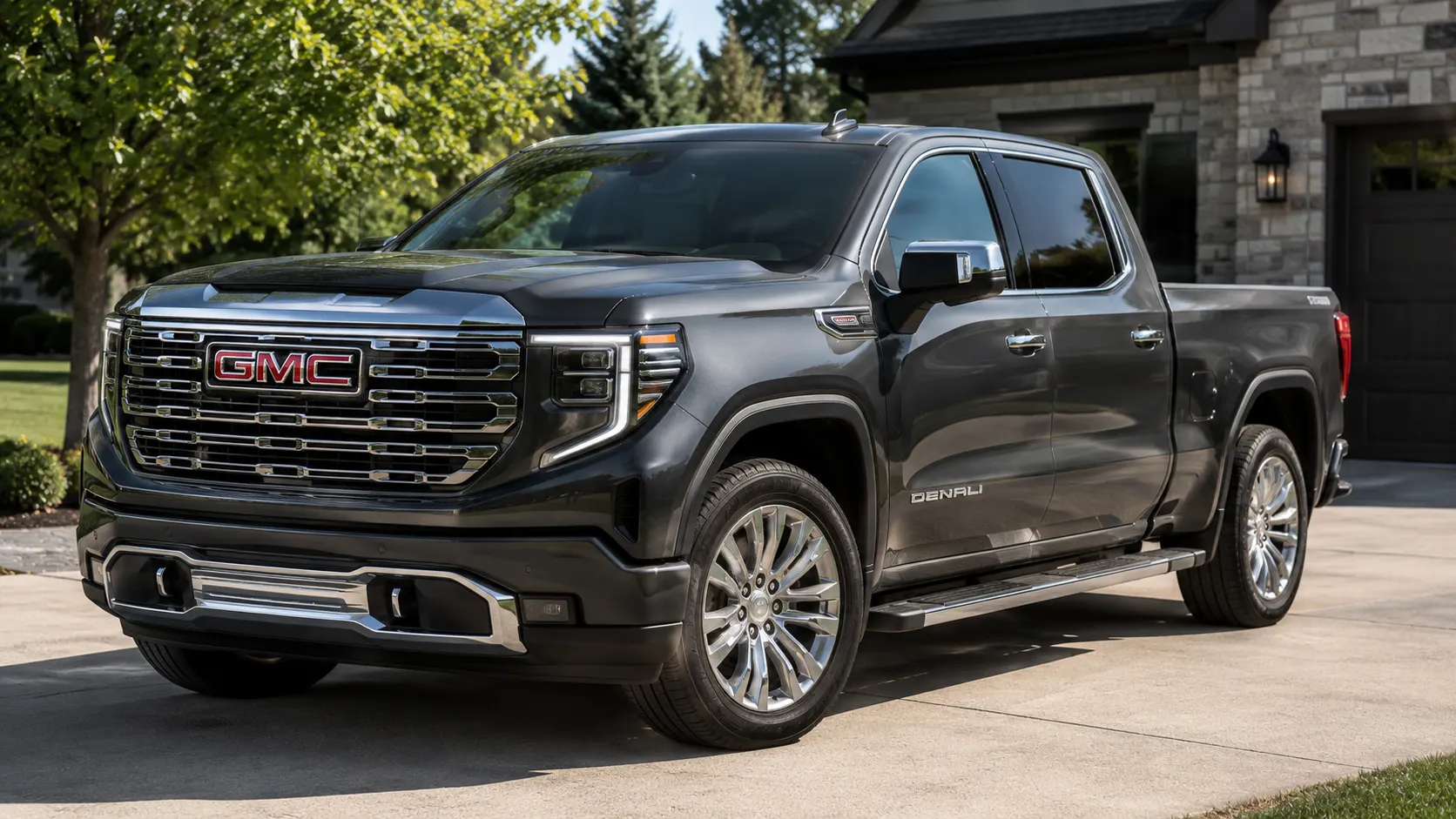
2026 GMC Sierra 1500
$38,300–$84,200
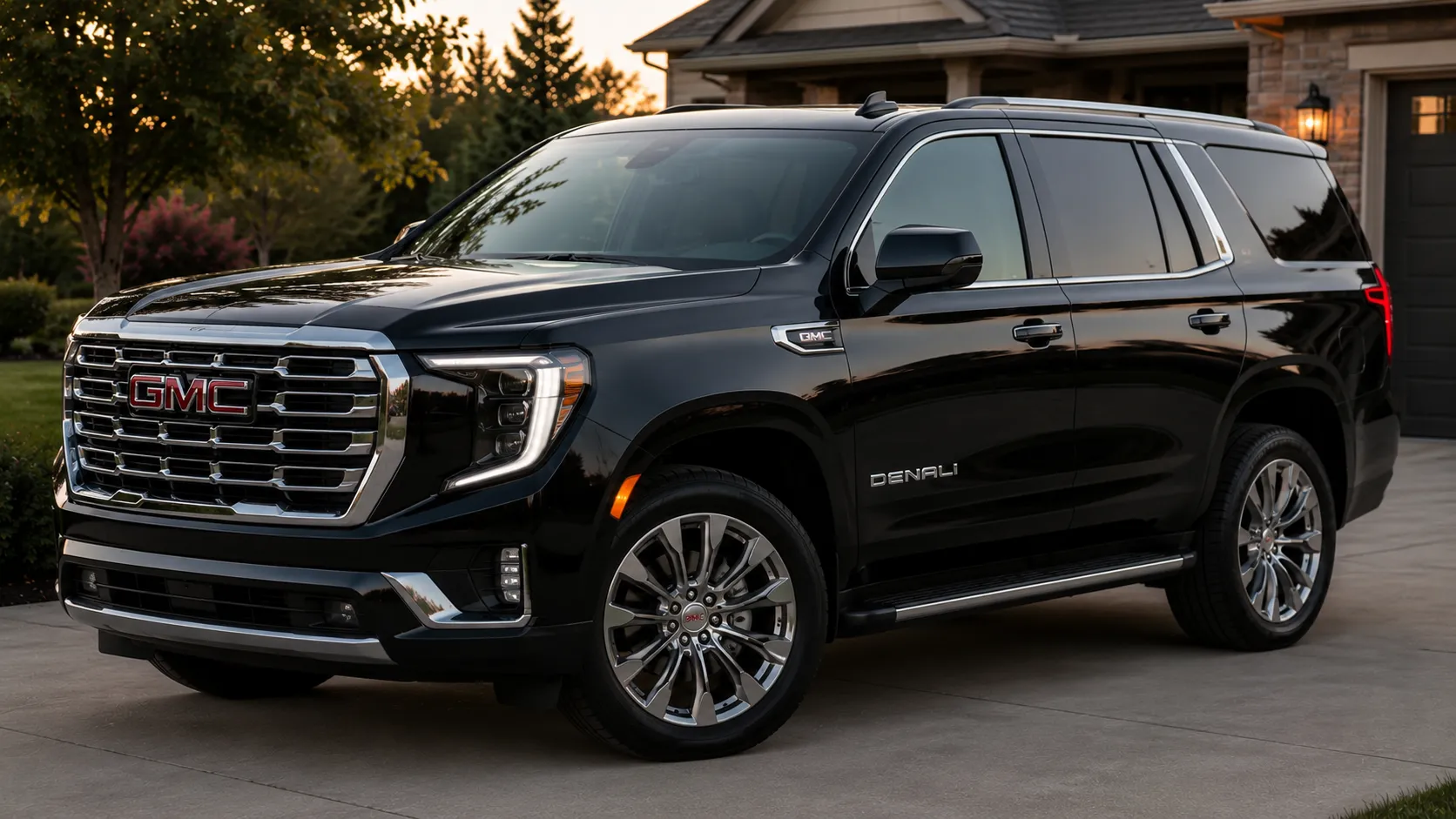
2026 GMC Yukon
$69,200–$103,300
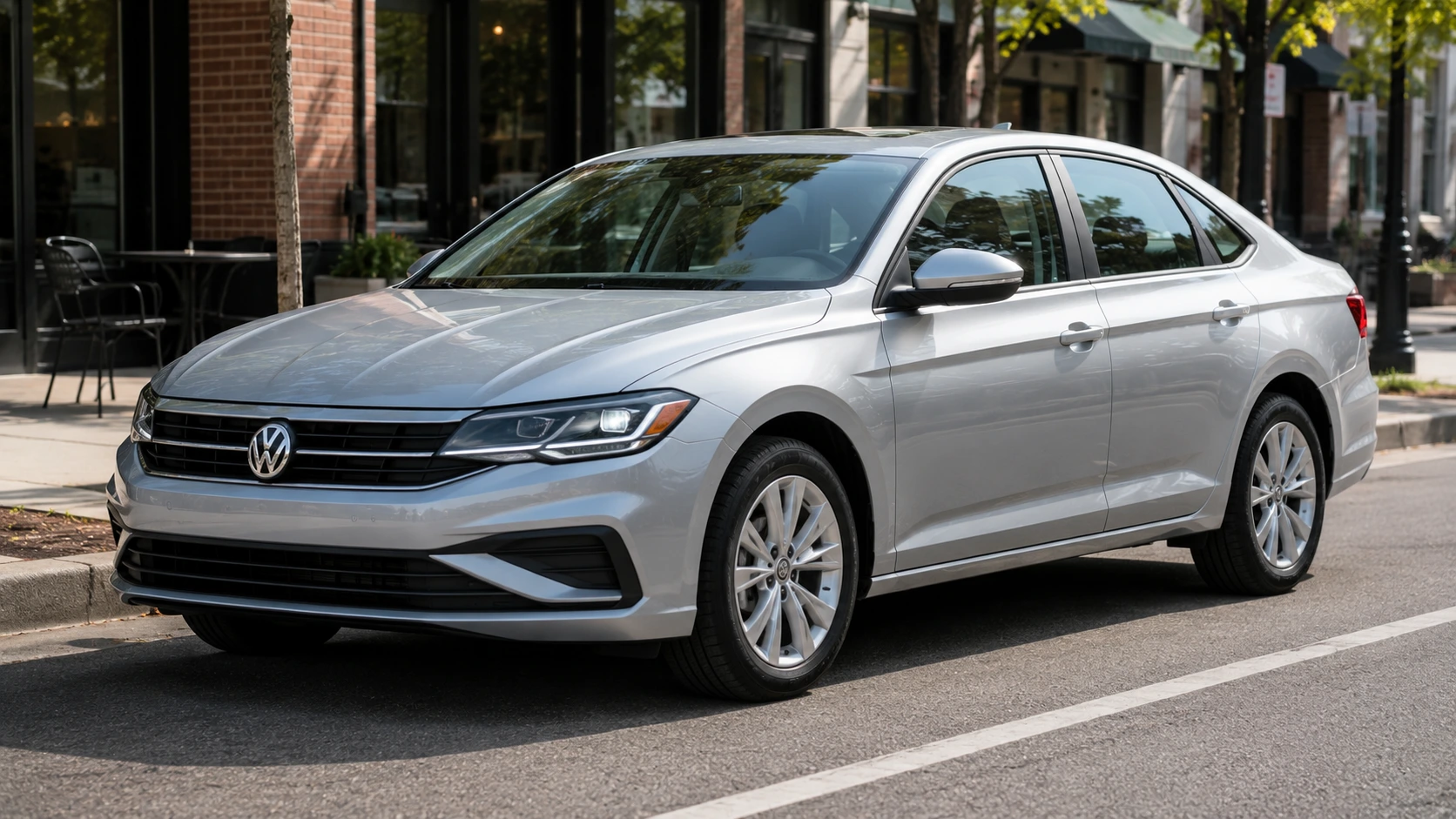
2026 Volkswagen Jetta
$23,995–$31,270
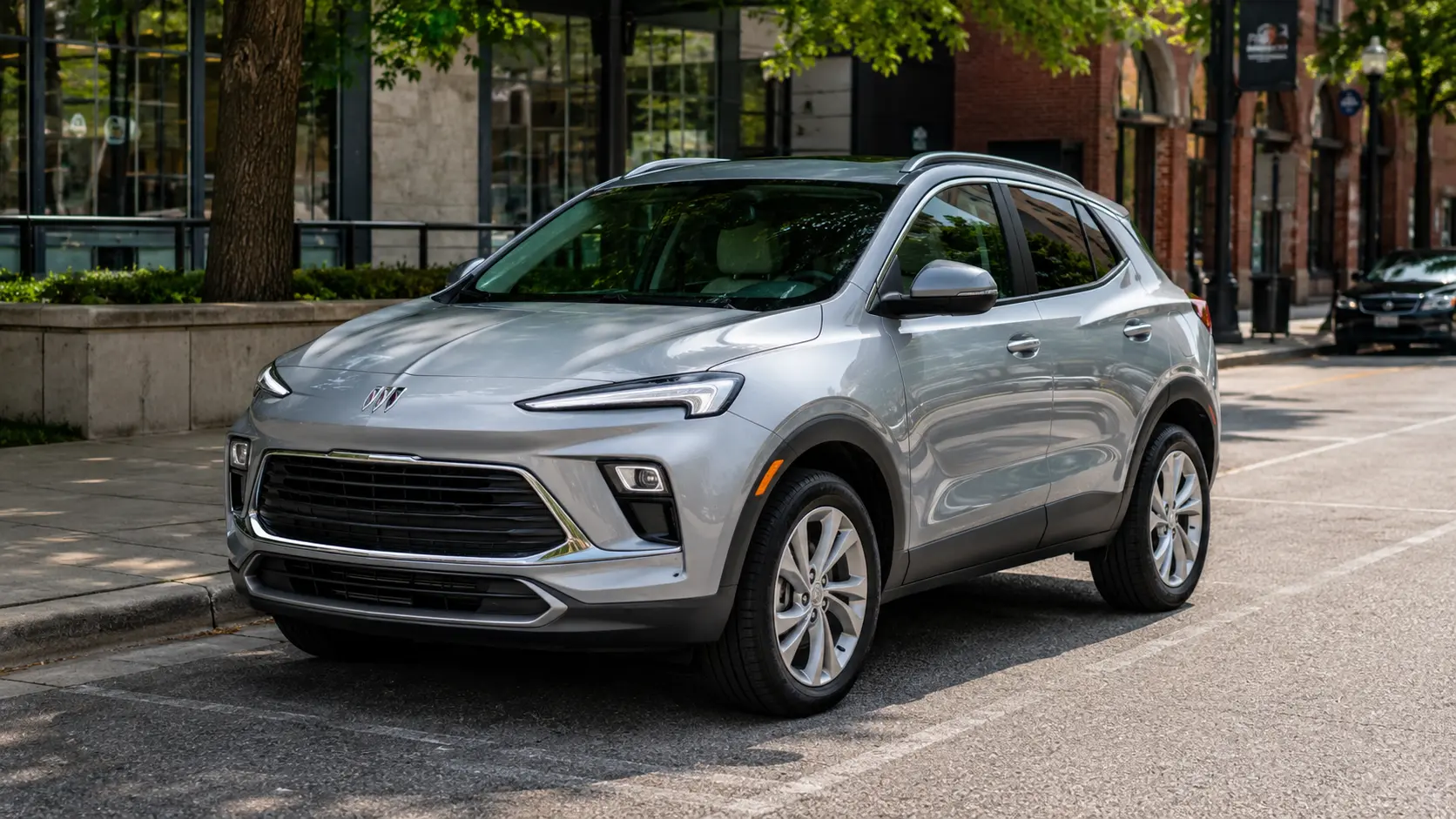
2026 Buick Encore GX
$26,200–$32,000
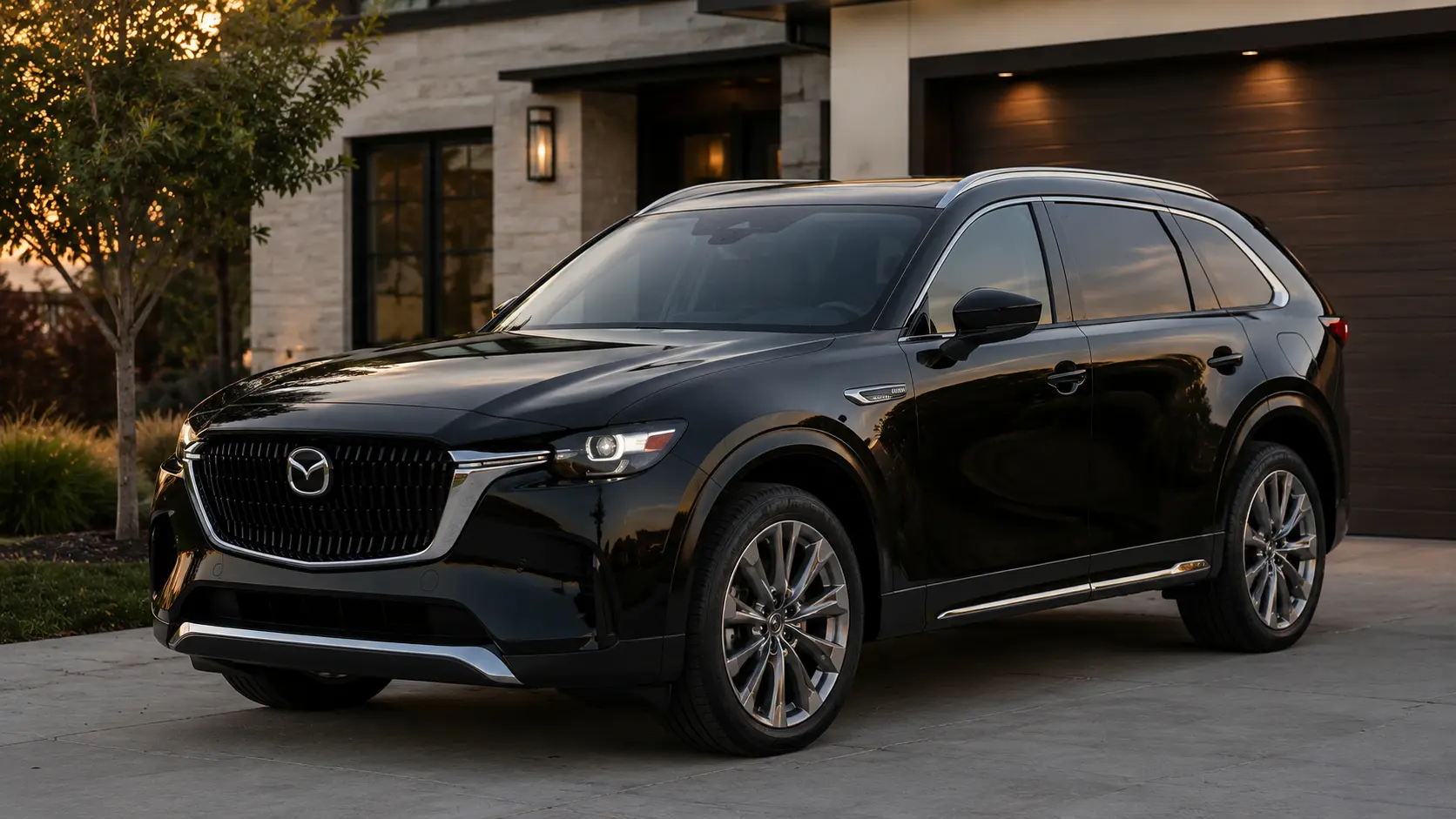
2026 Mazda CX-90
$40,830–$58,500
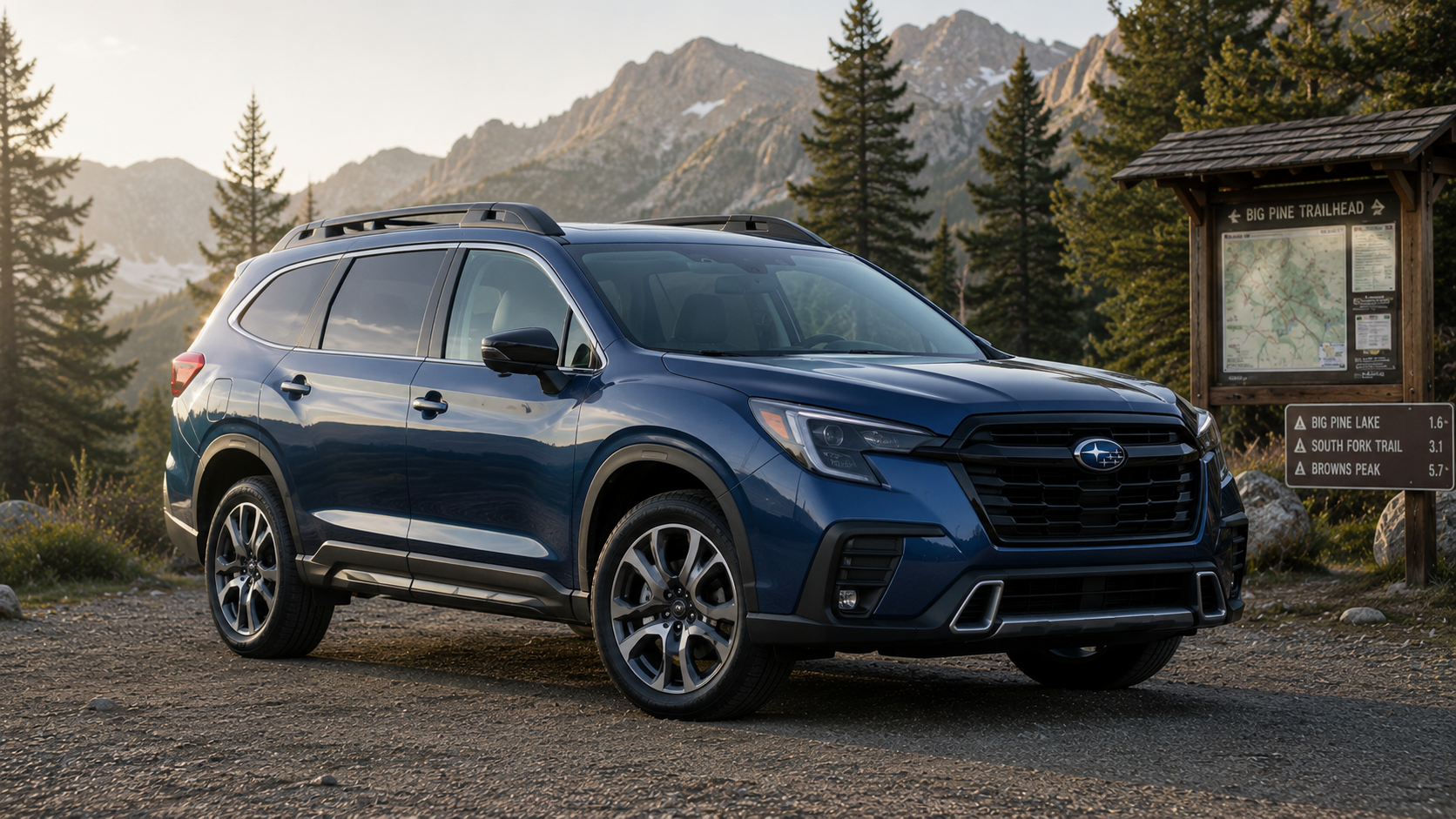
2026 Subaru Ascent
$40,795–$51,995
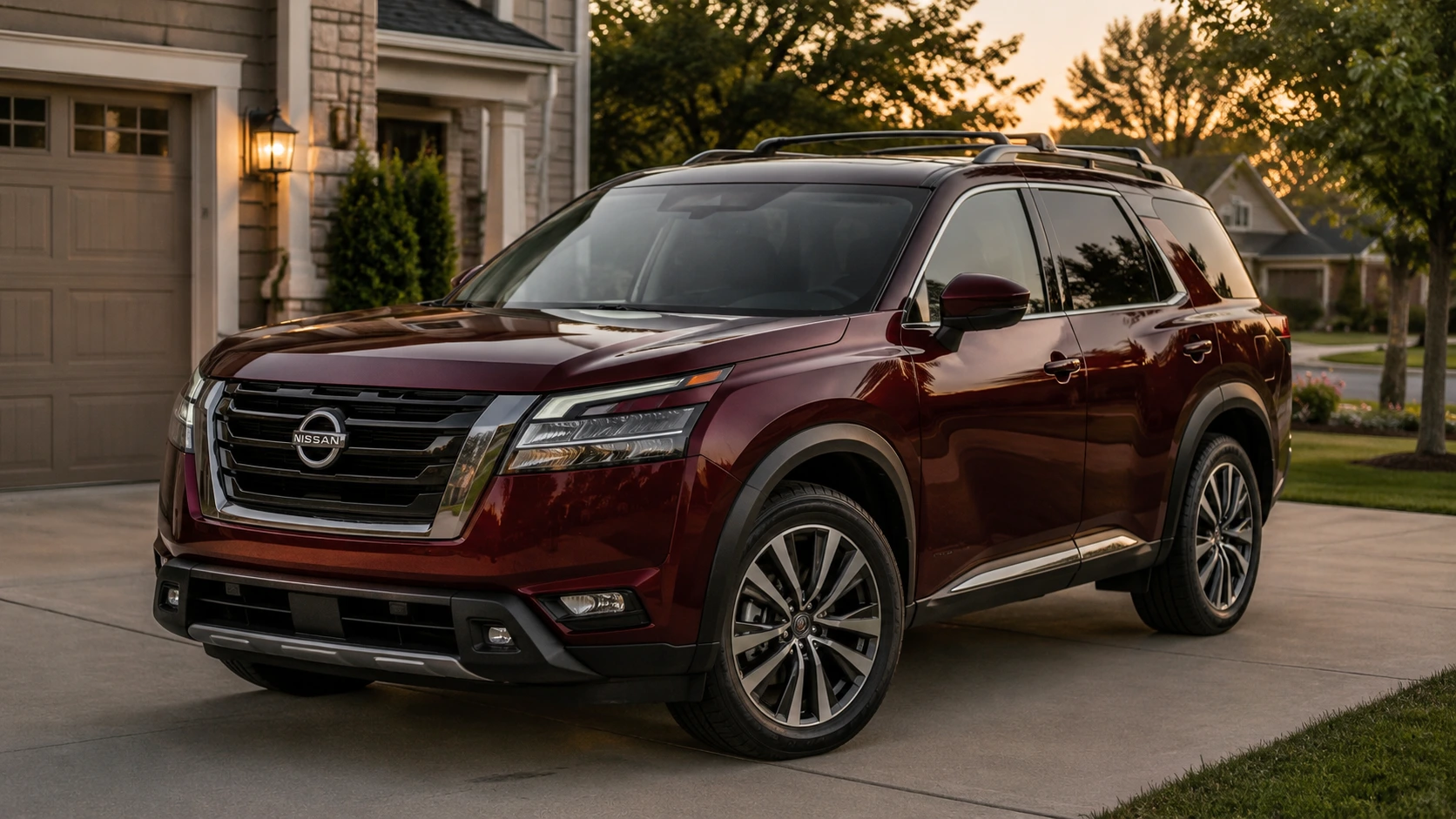
2026 Nissan Pathfinder
$37,500–$51,790
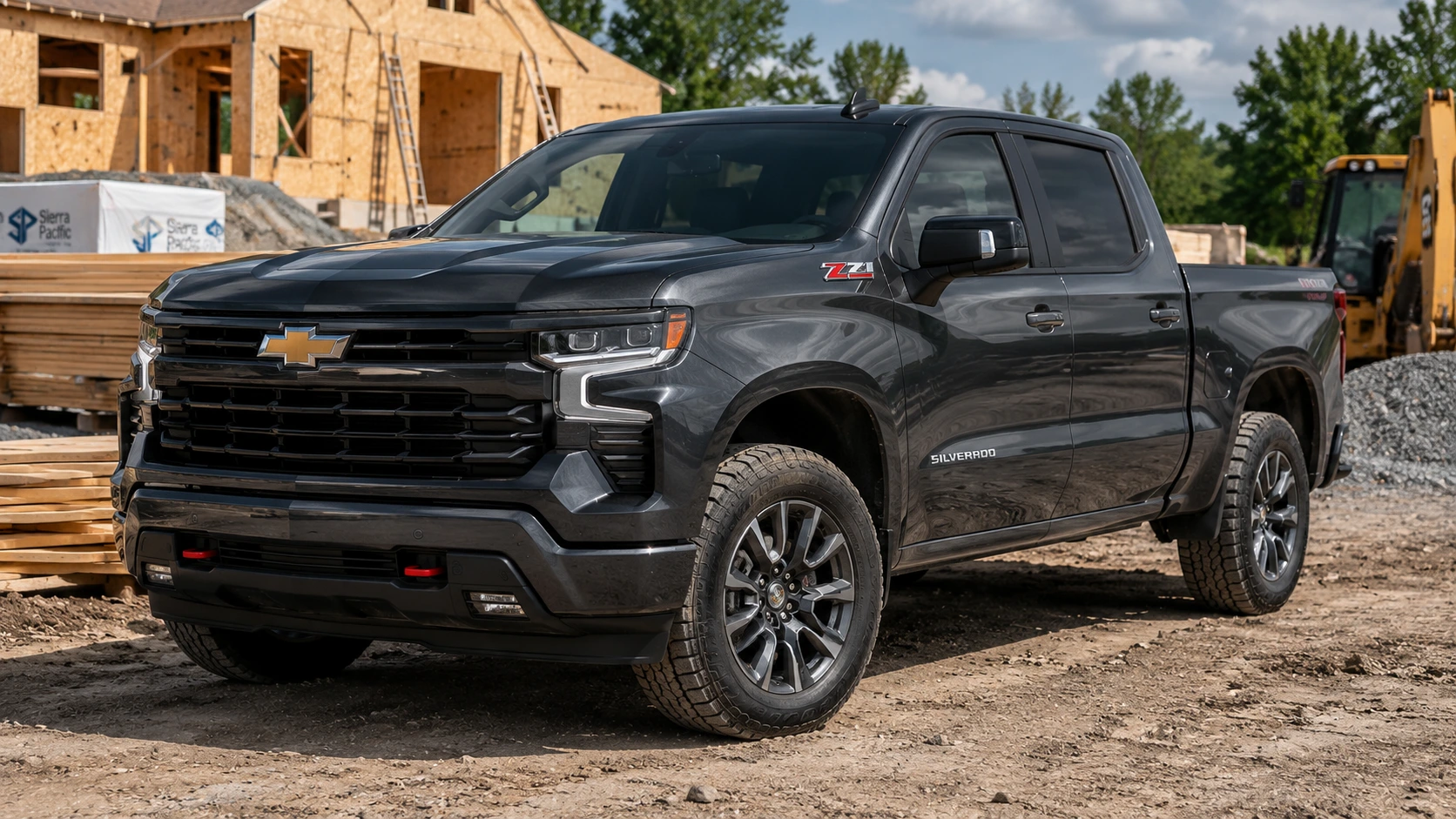
2026 Chevrolet Silverado 1500
$36,900–$71,800
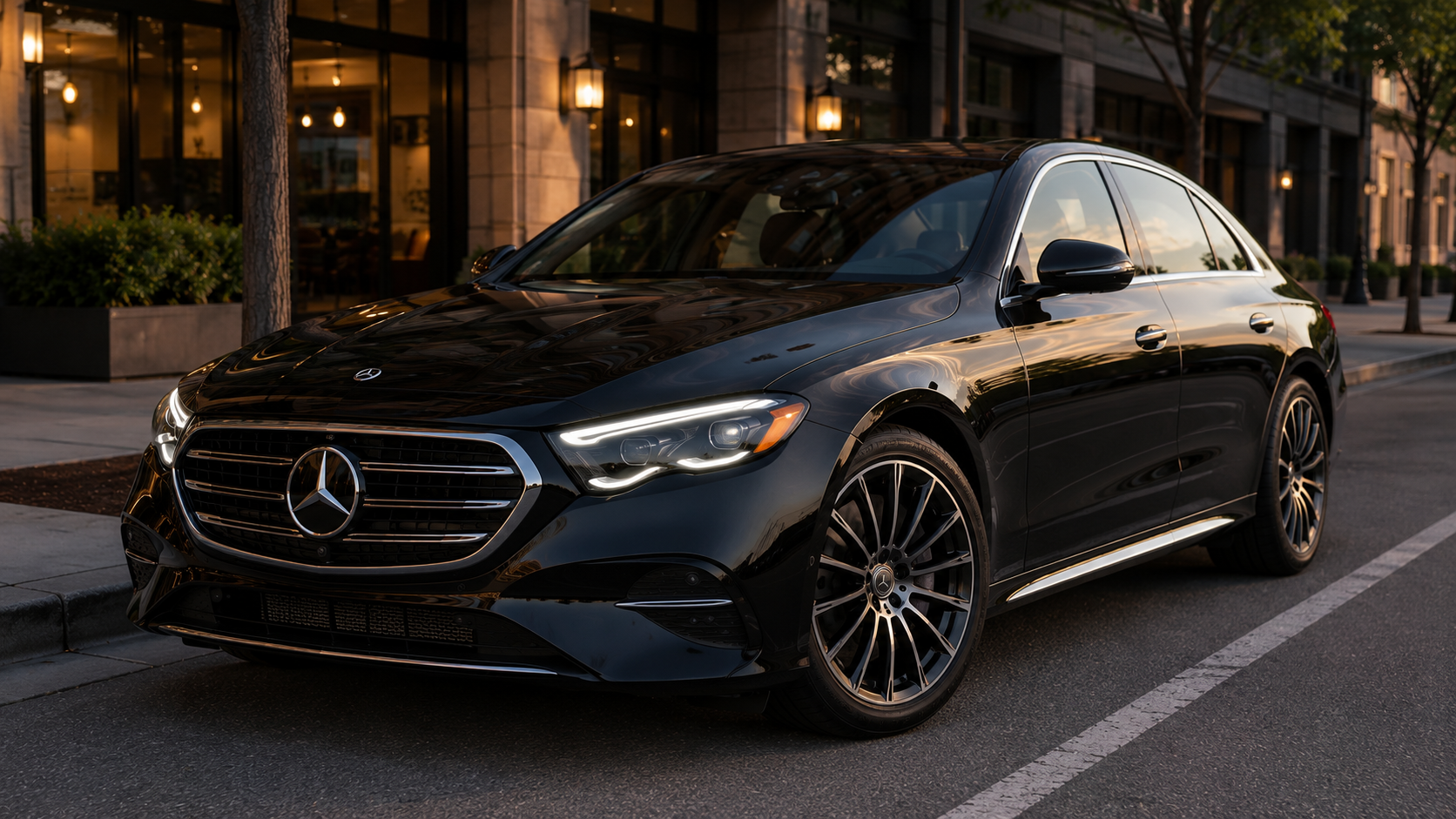
2026 Mercedes-Benz E-Class
$65,050–$73,450
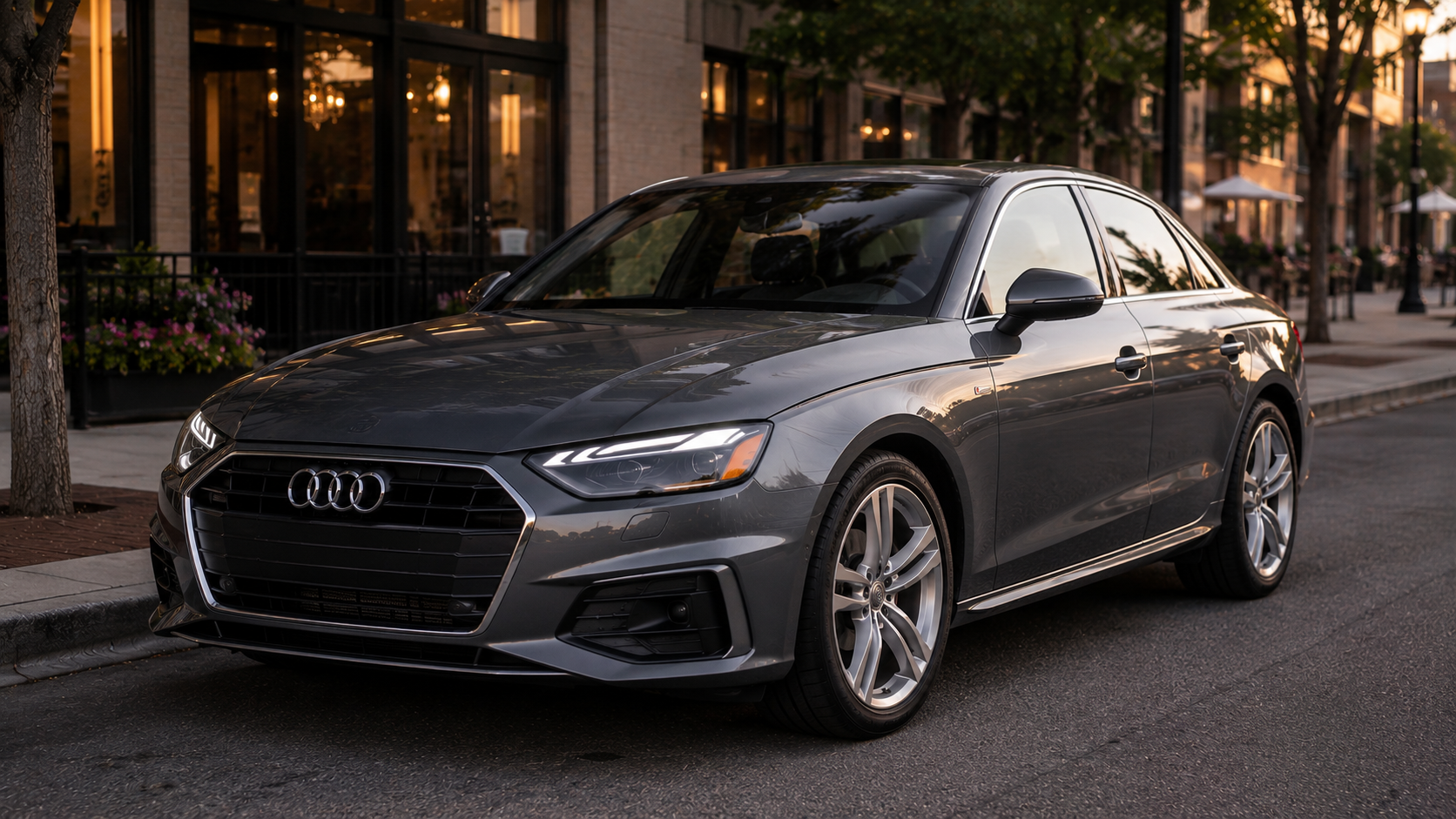
2025 Audi A4
$43,295–$45,395
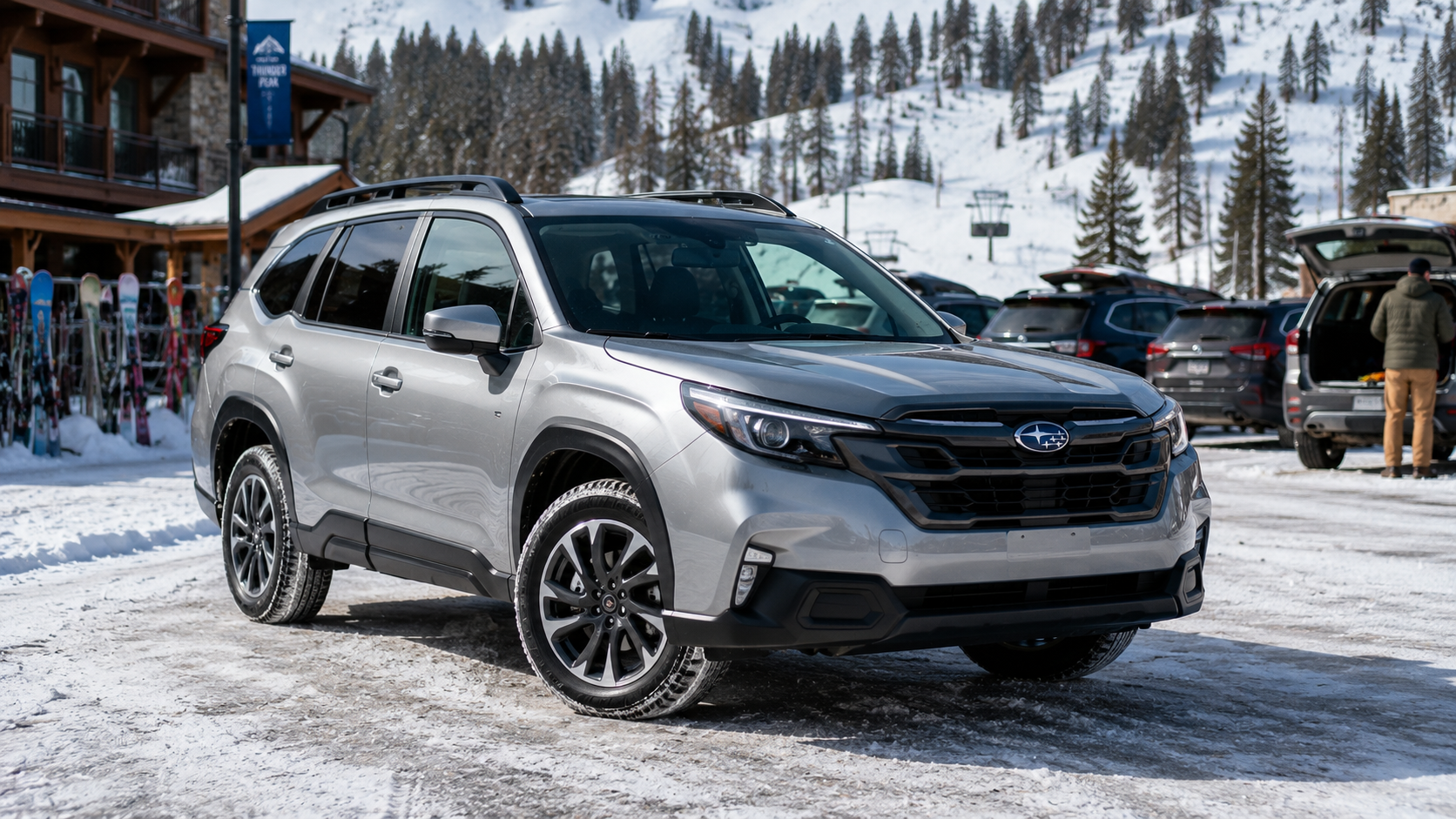
2026 Subaru Forester
$29,995–$36,000
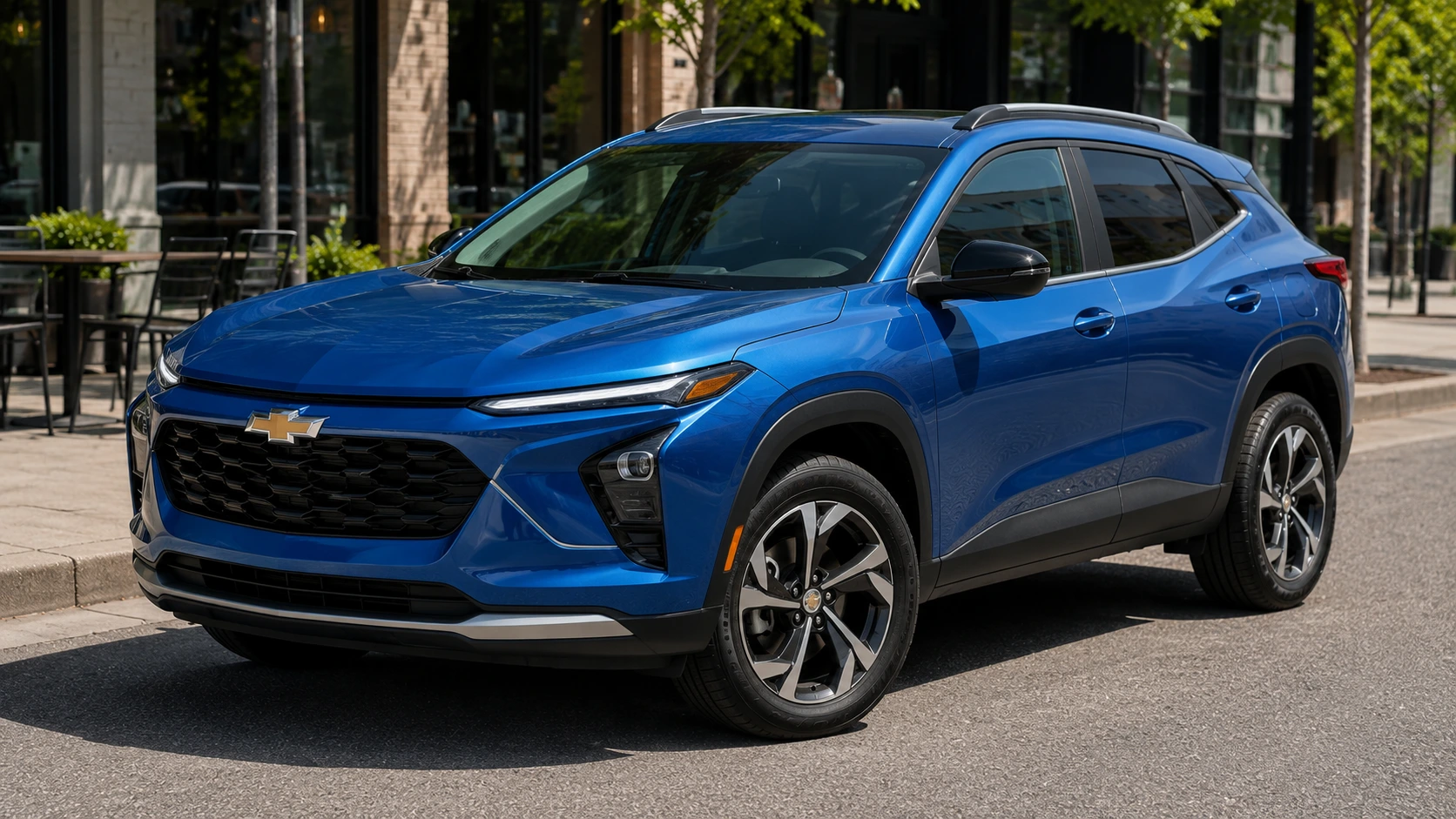
2026 Chevrolet Trax
$21,600–$25,300
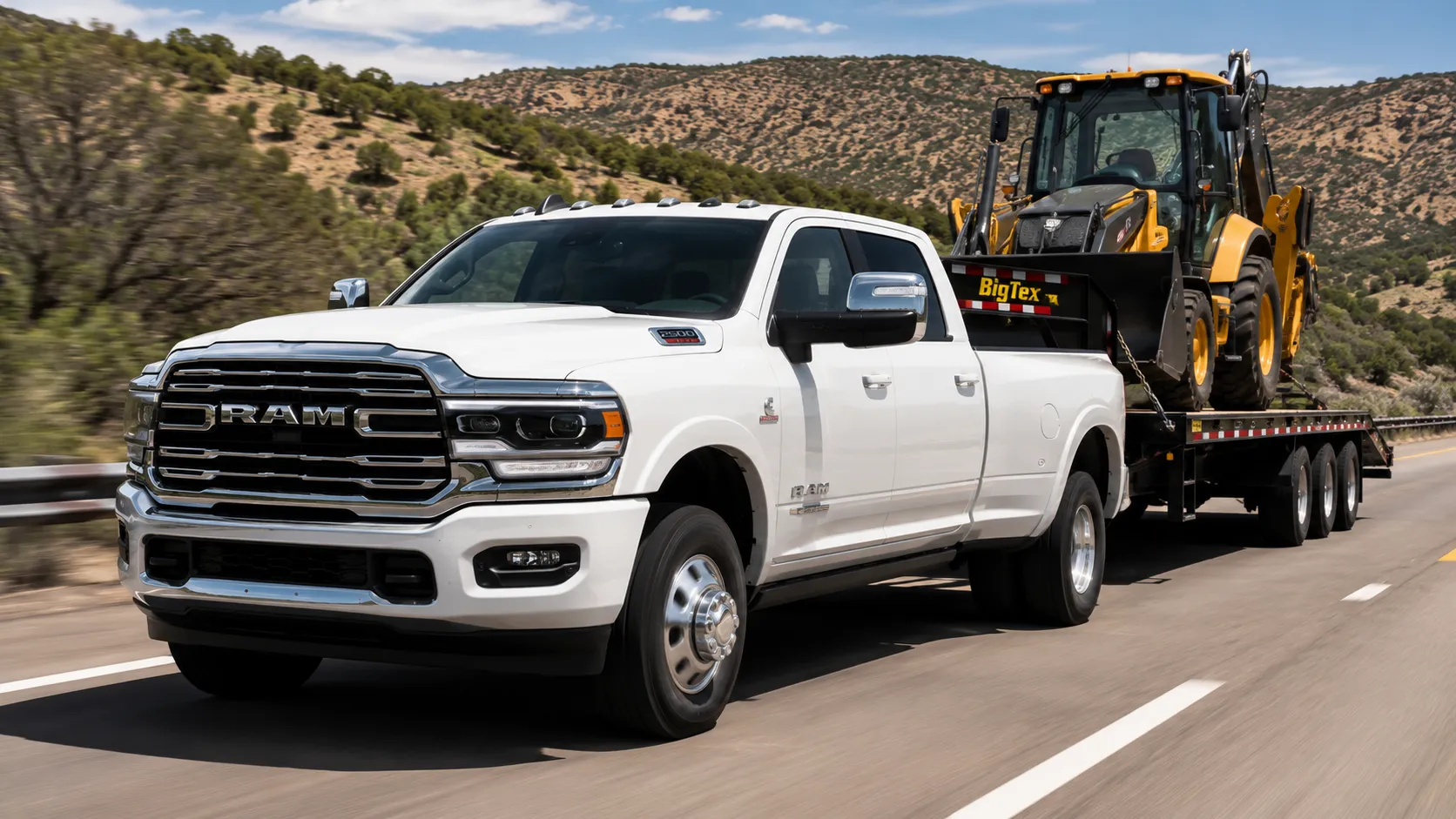
2026 Ram 2500
$45,995–$79,750
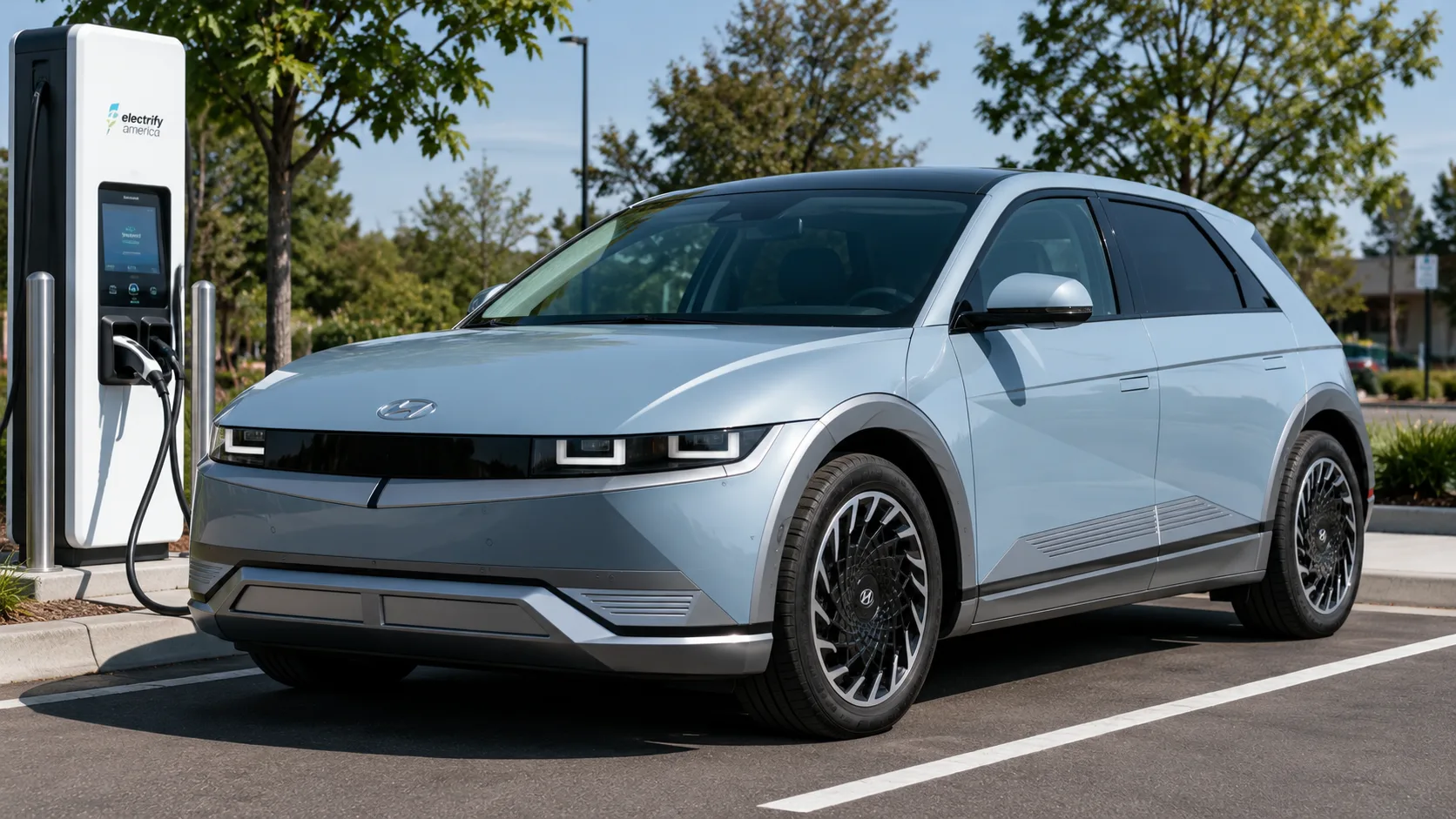
2026 Hyundai Ioniq 5
$36,600–$48,325
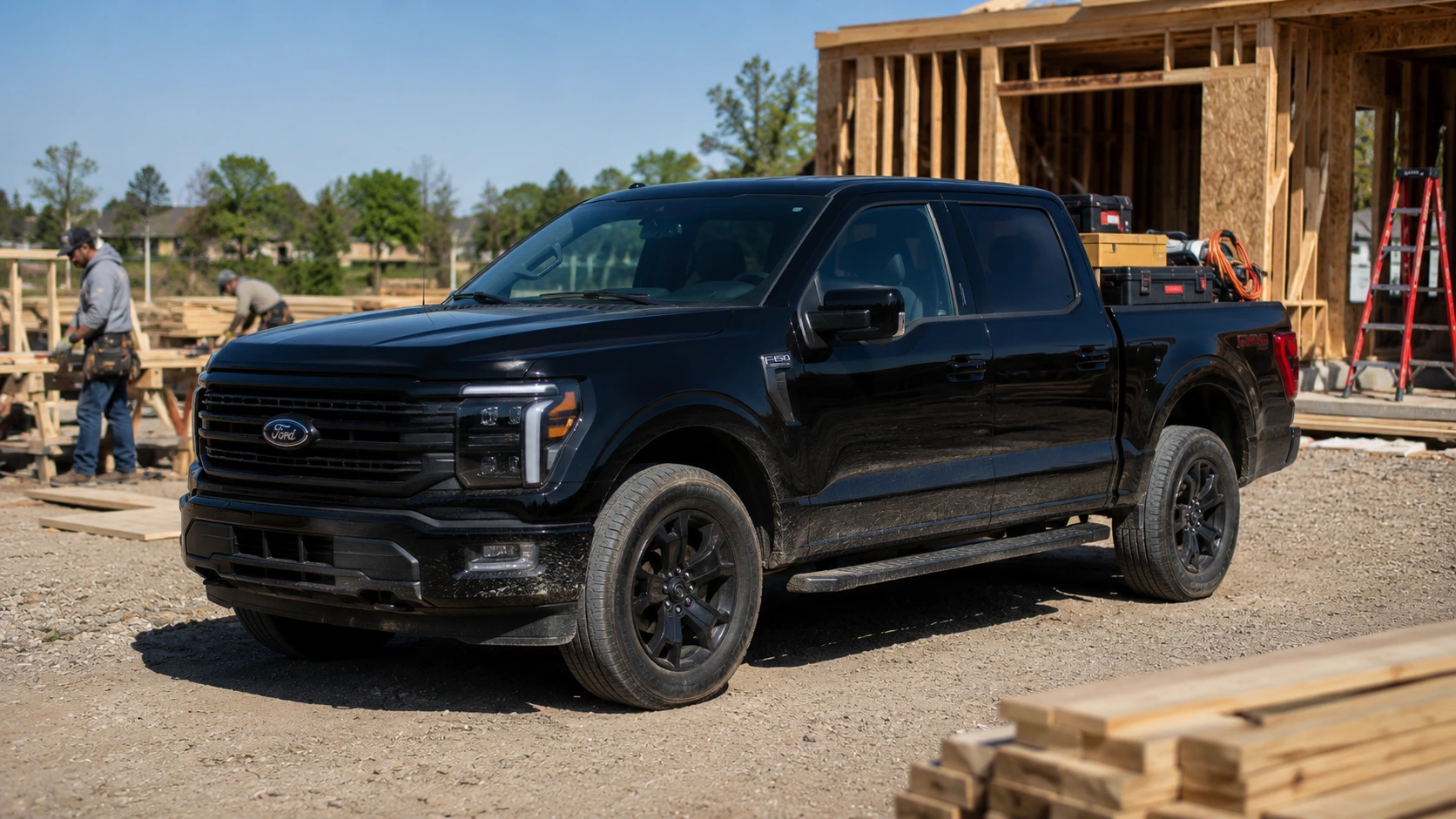
2026 Ford F-150
$39,330–$60,000
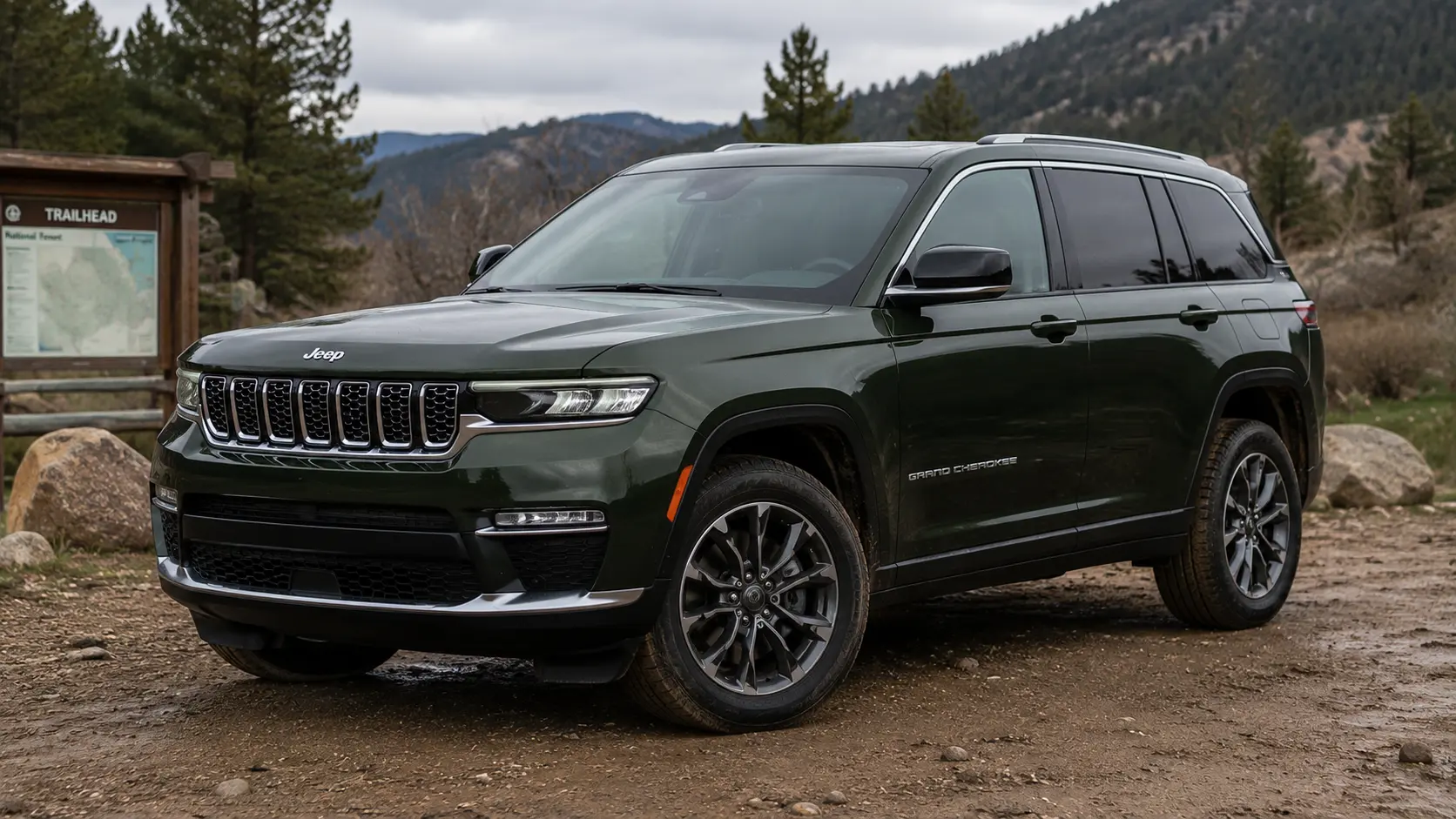
2026 Jeep Grand Cherokee
$38,415–$62,595
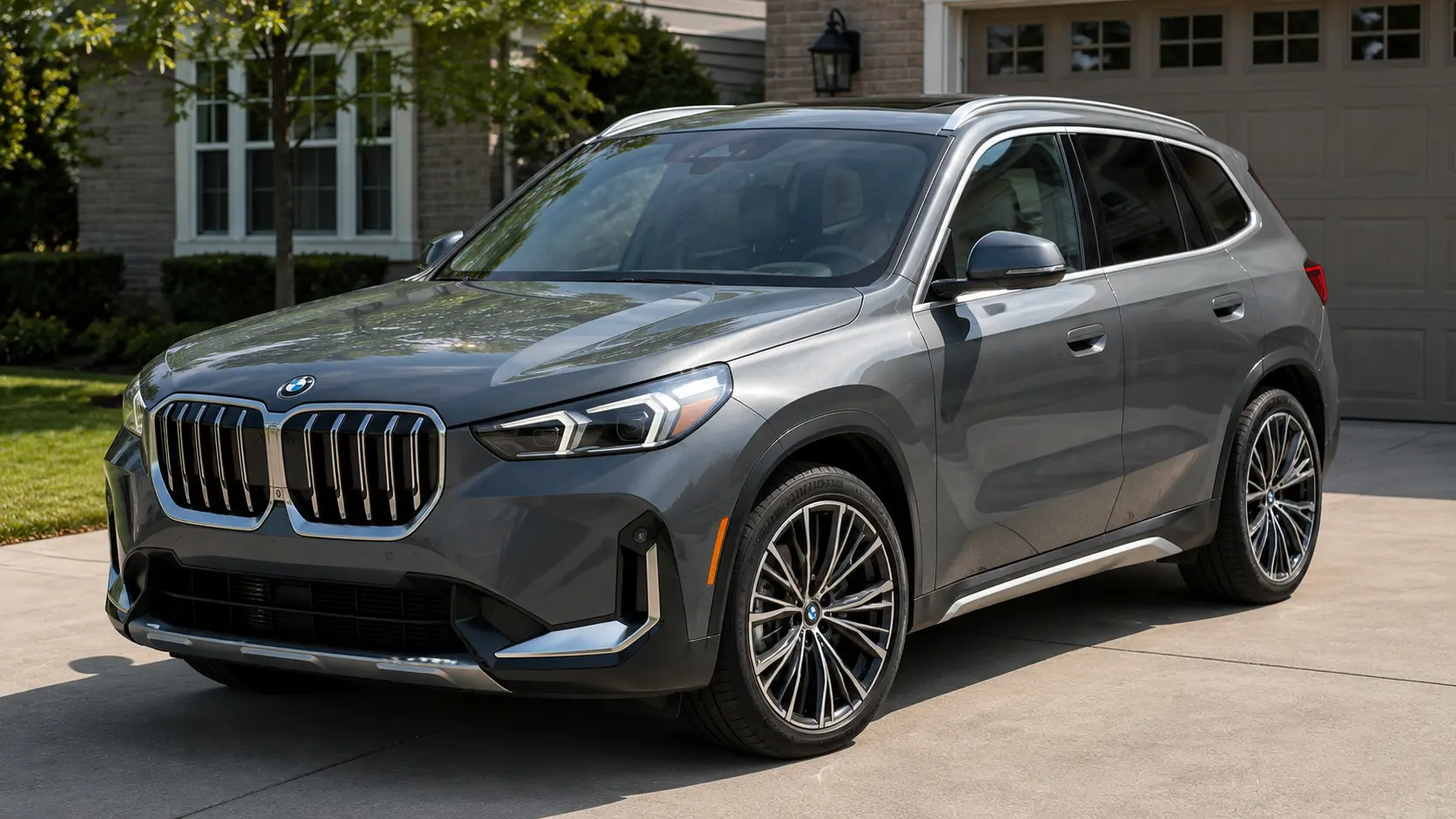
2026 BMW X1
$42,800–$53,750
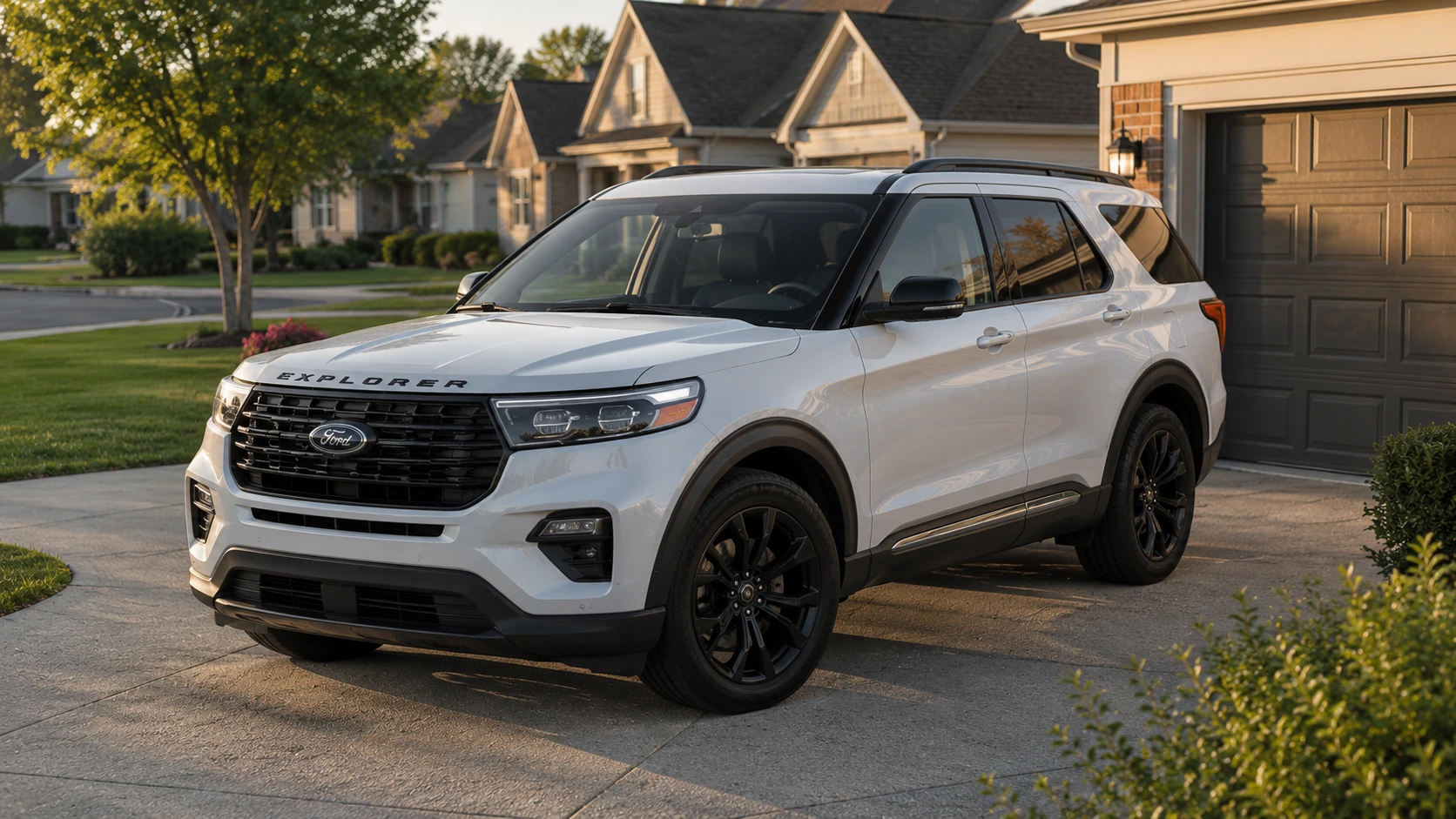
2026 Ford Explorer
$38,465–$52,000
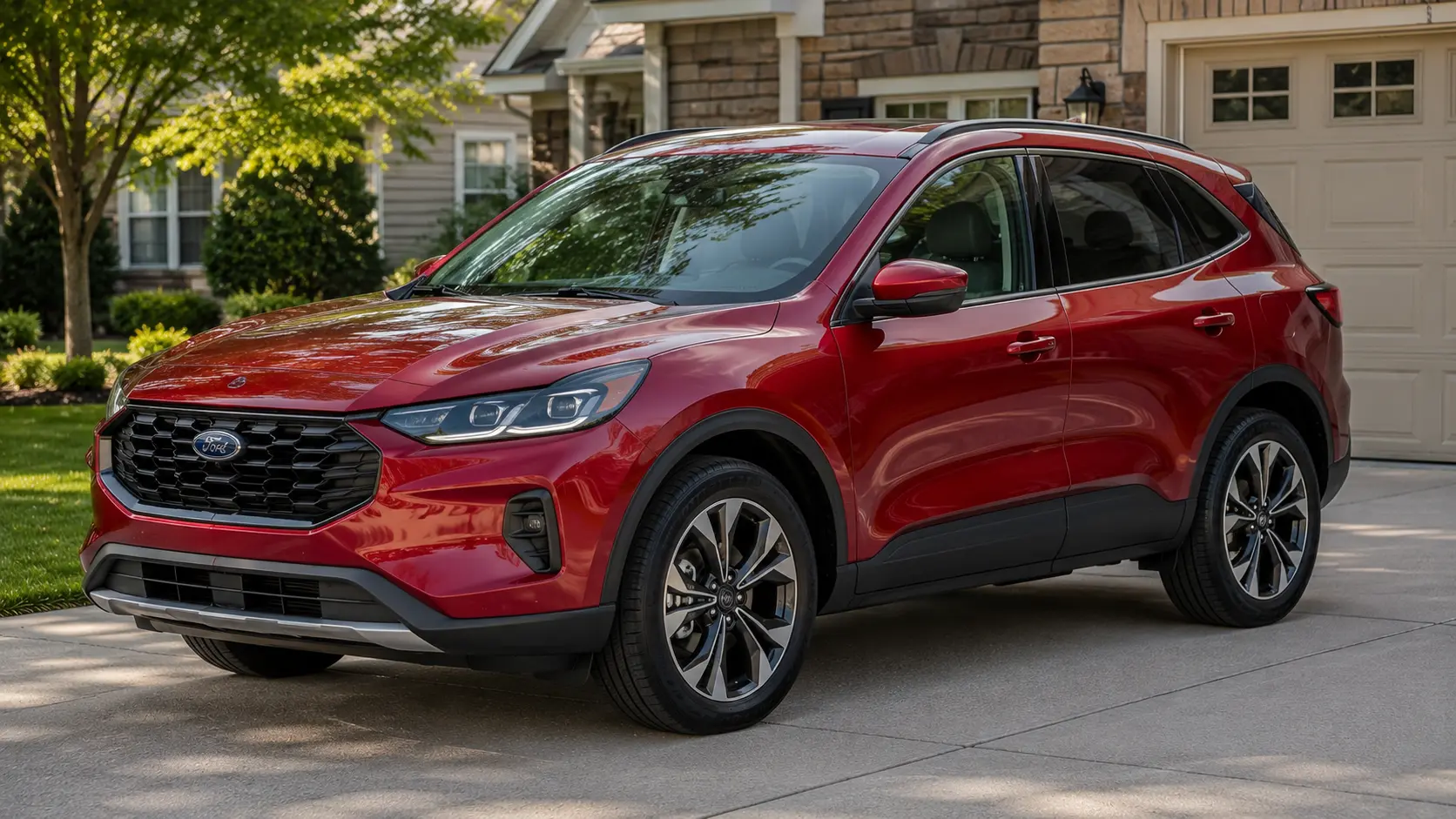
2026 Ford Escape
$30,350–$38,000
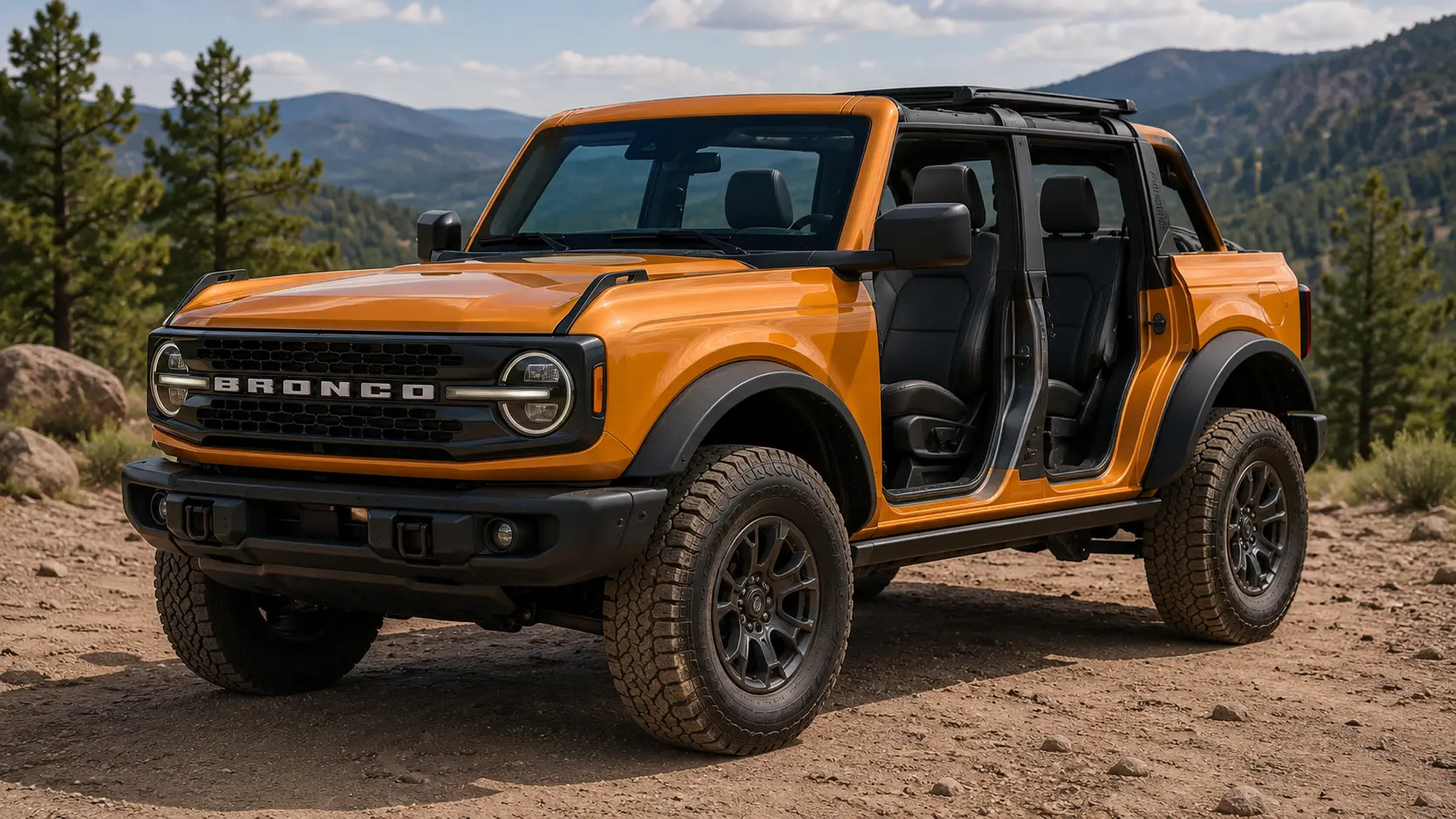
2026 Ford Bronco
$42,790–$83,080
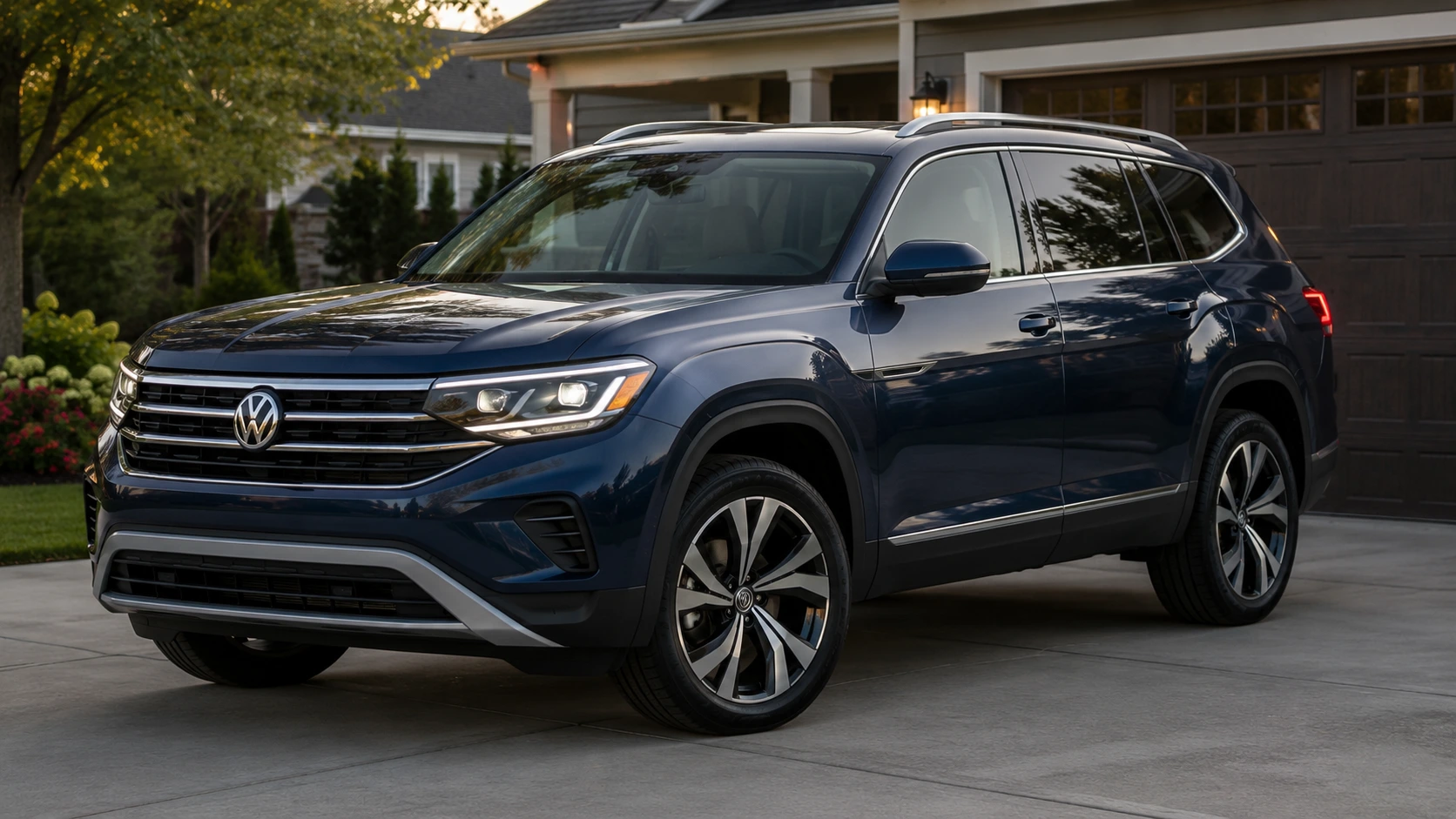
2026 Volkswagen Atlas
$39,310–$56,105
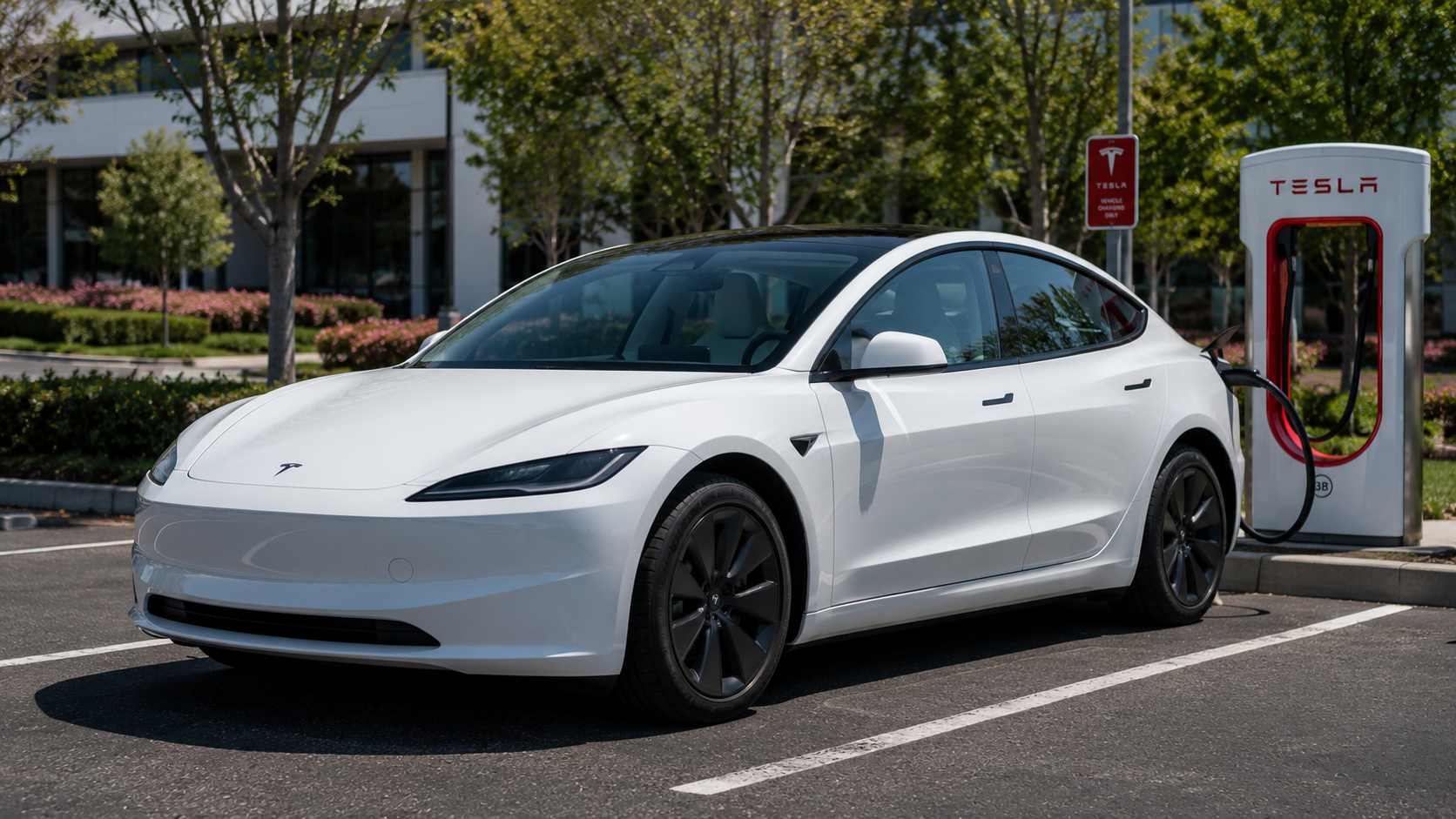
2026 Tesla Model 3
$36,990–$50,000
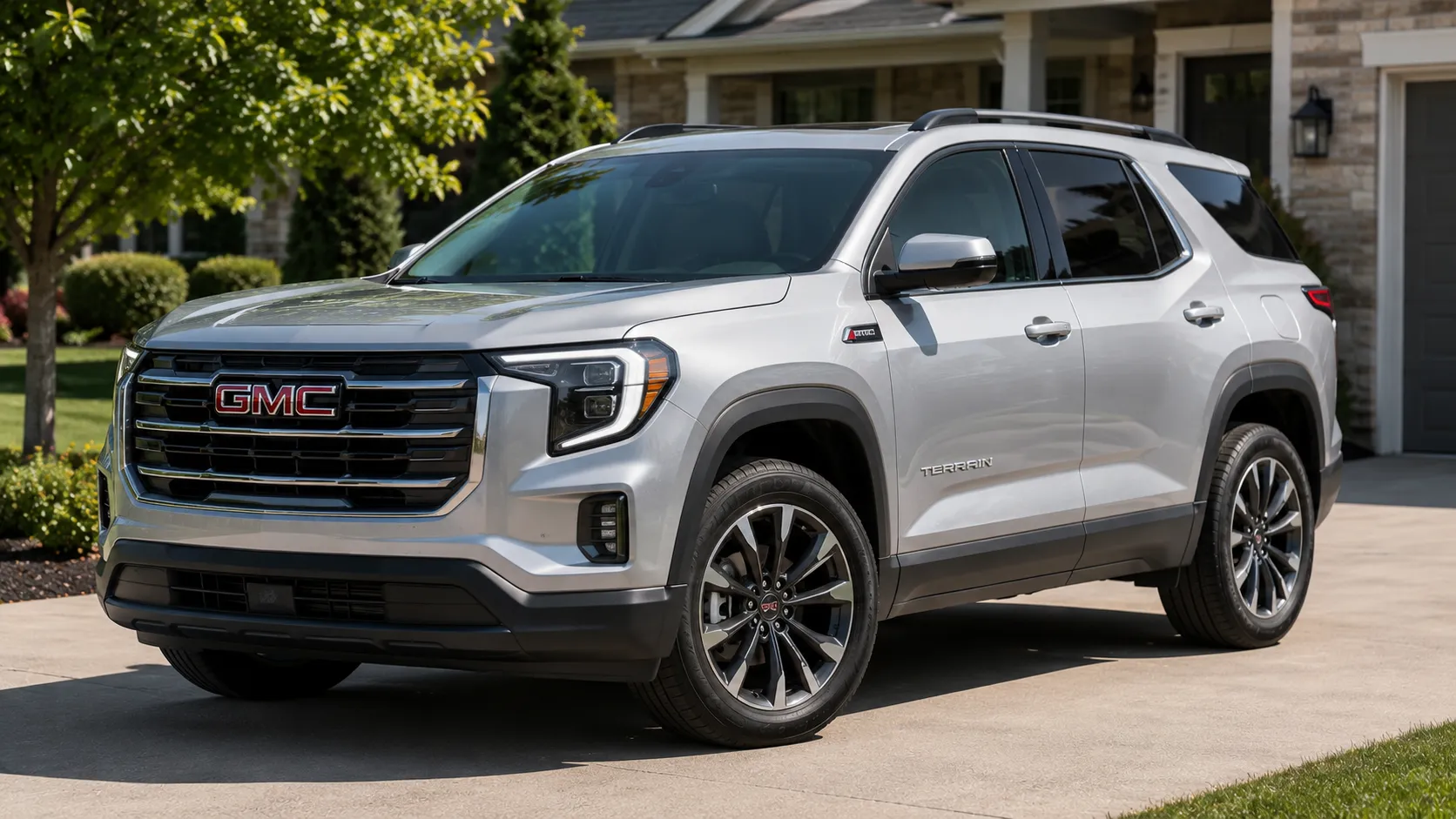
2026 GMC Terrain
$30,200–$41,900
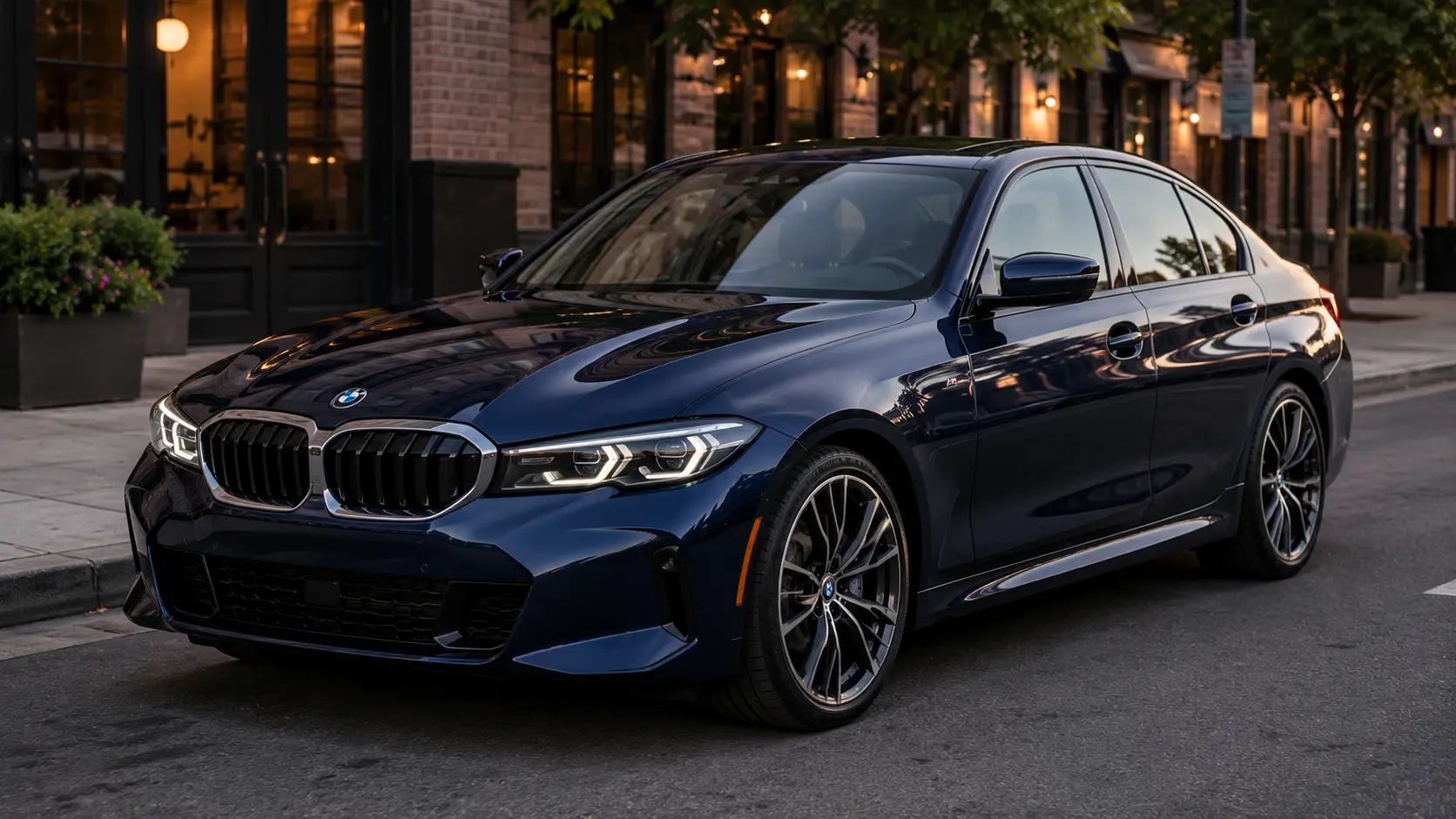
2026 BMW 3 Series
$48,000–$65,650
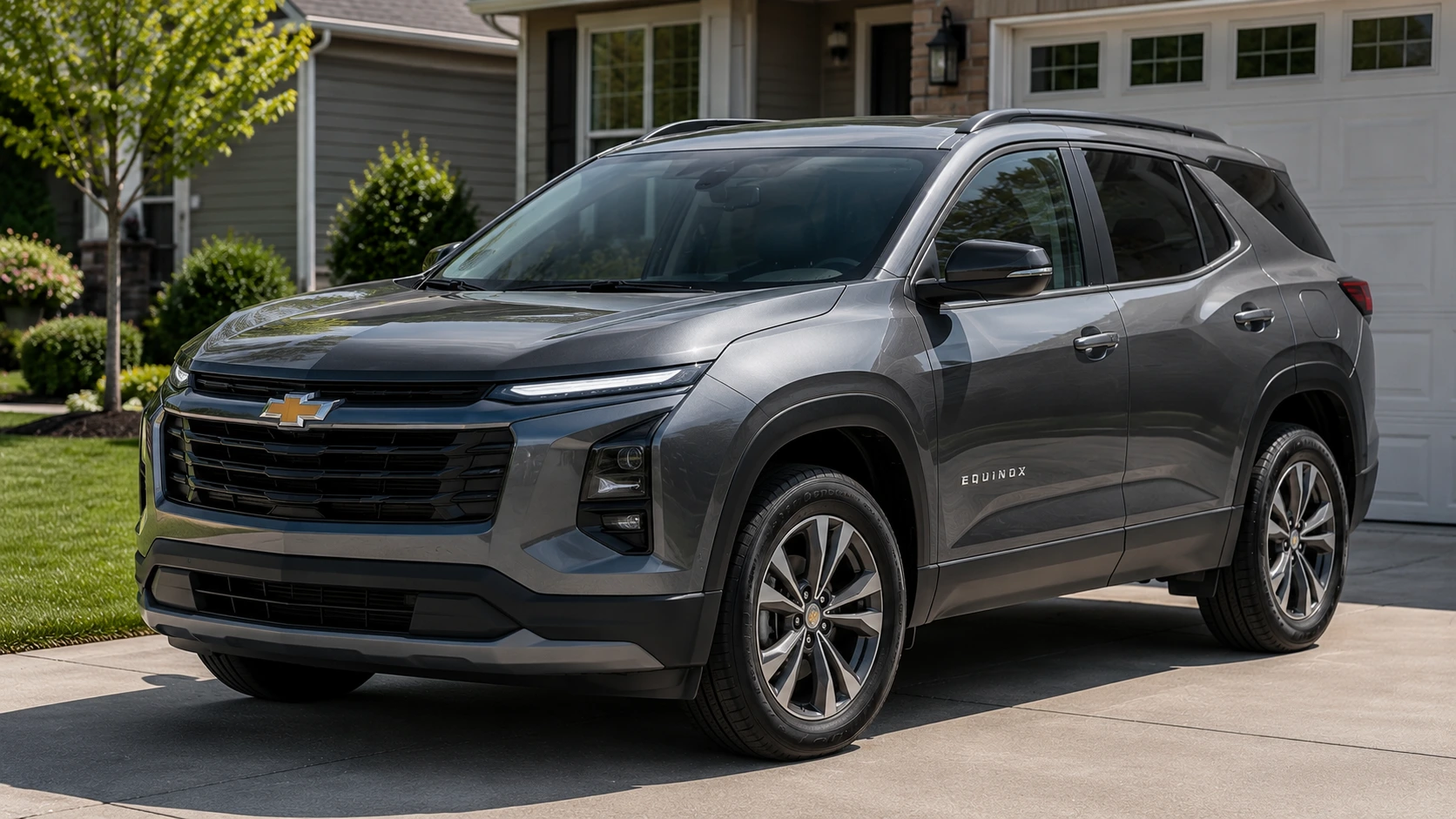
2026 Chevrolet Equinox
$30,795–$38,000
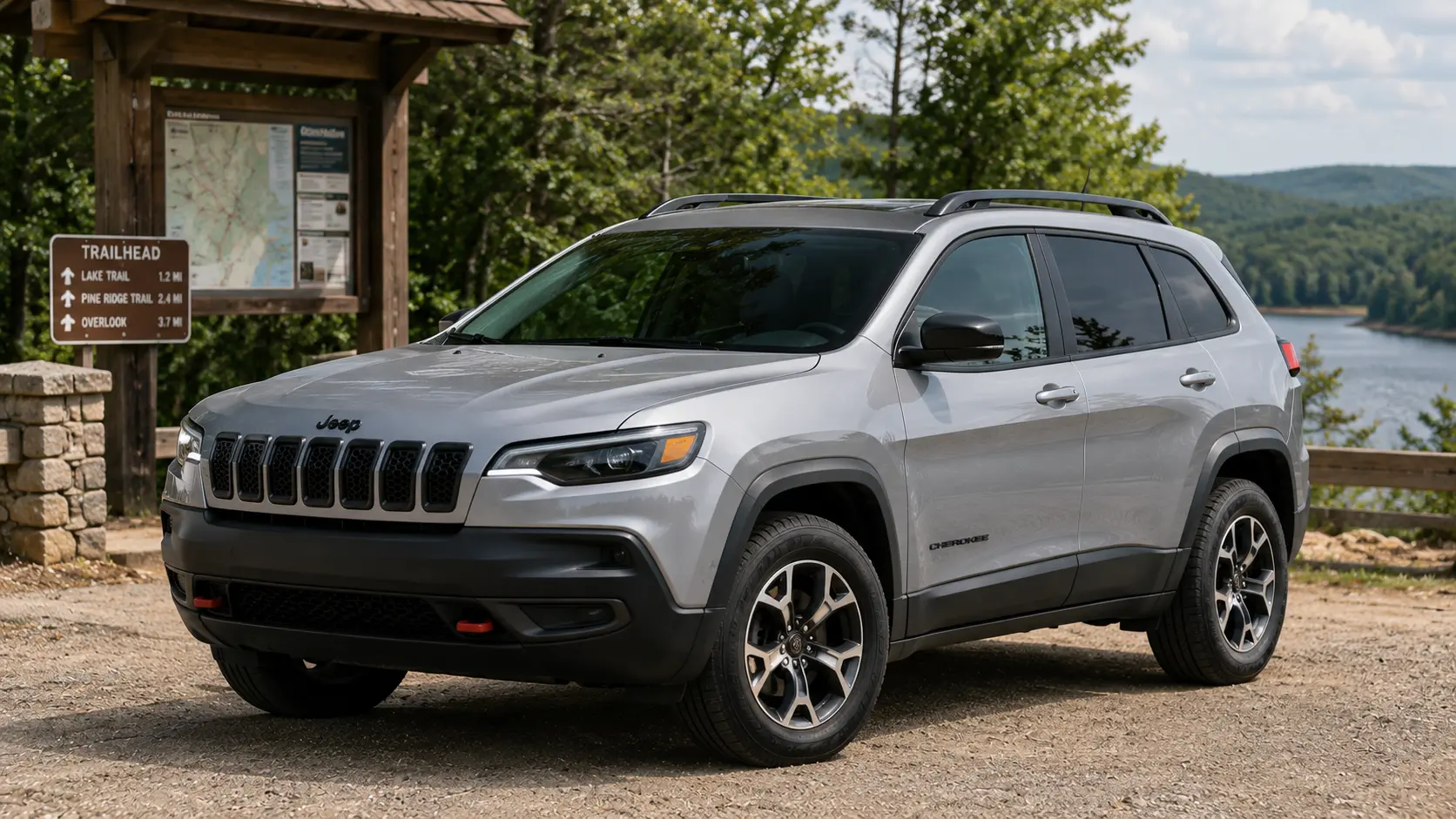
2026 Jeep Cherokee
$36,995–$44,995

2026 Jeep Wrangler
$36,035–$50,000
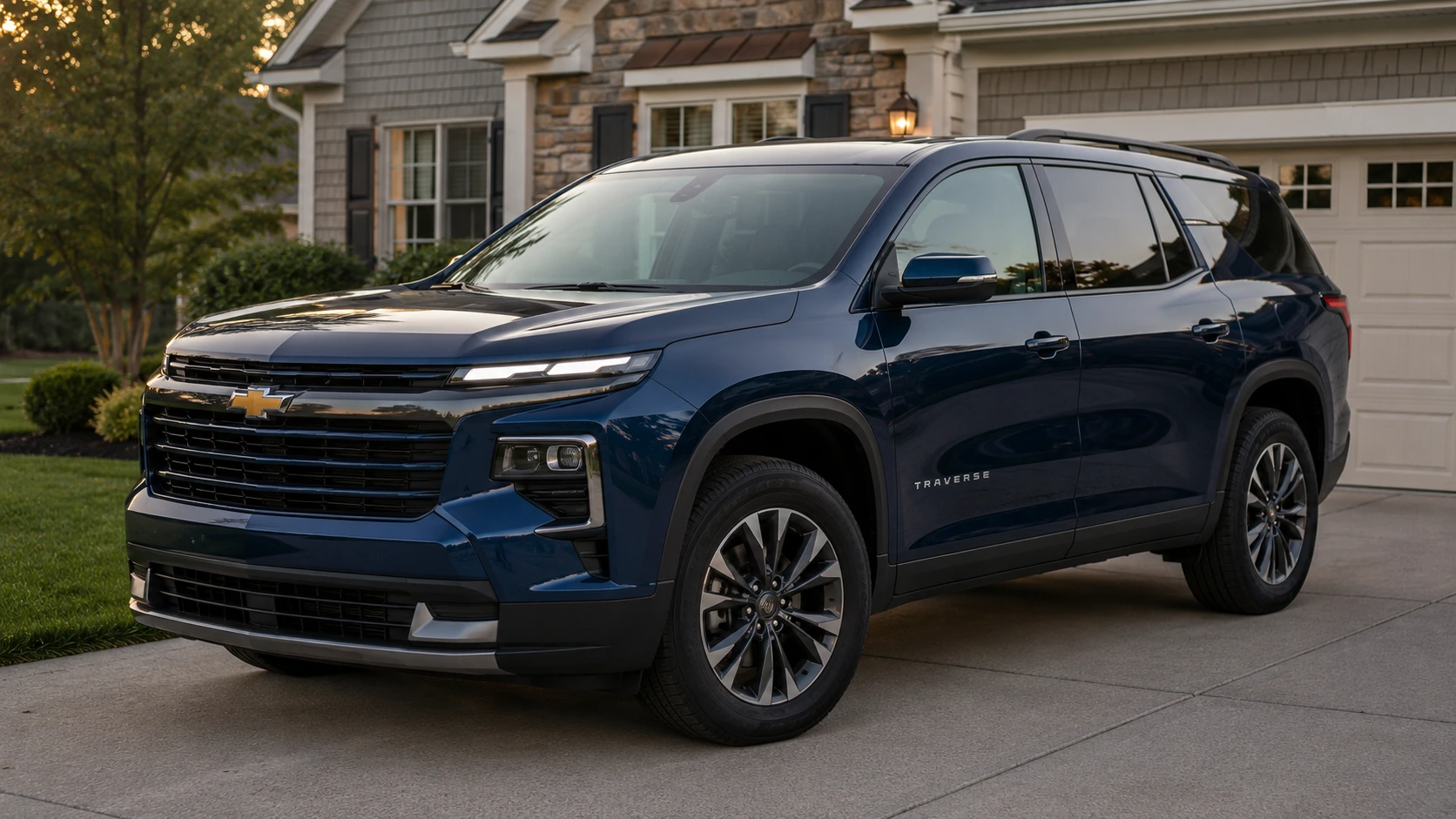
2026 Chevrolet Traverse
$42,695–$57,295
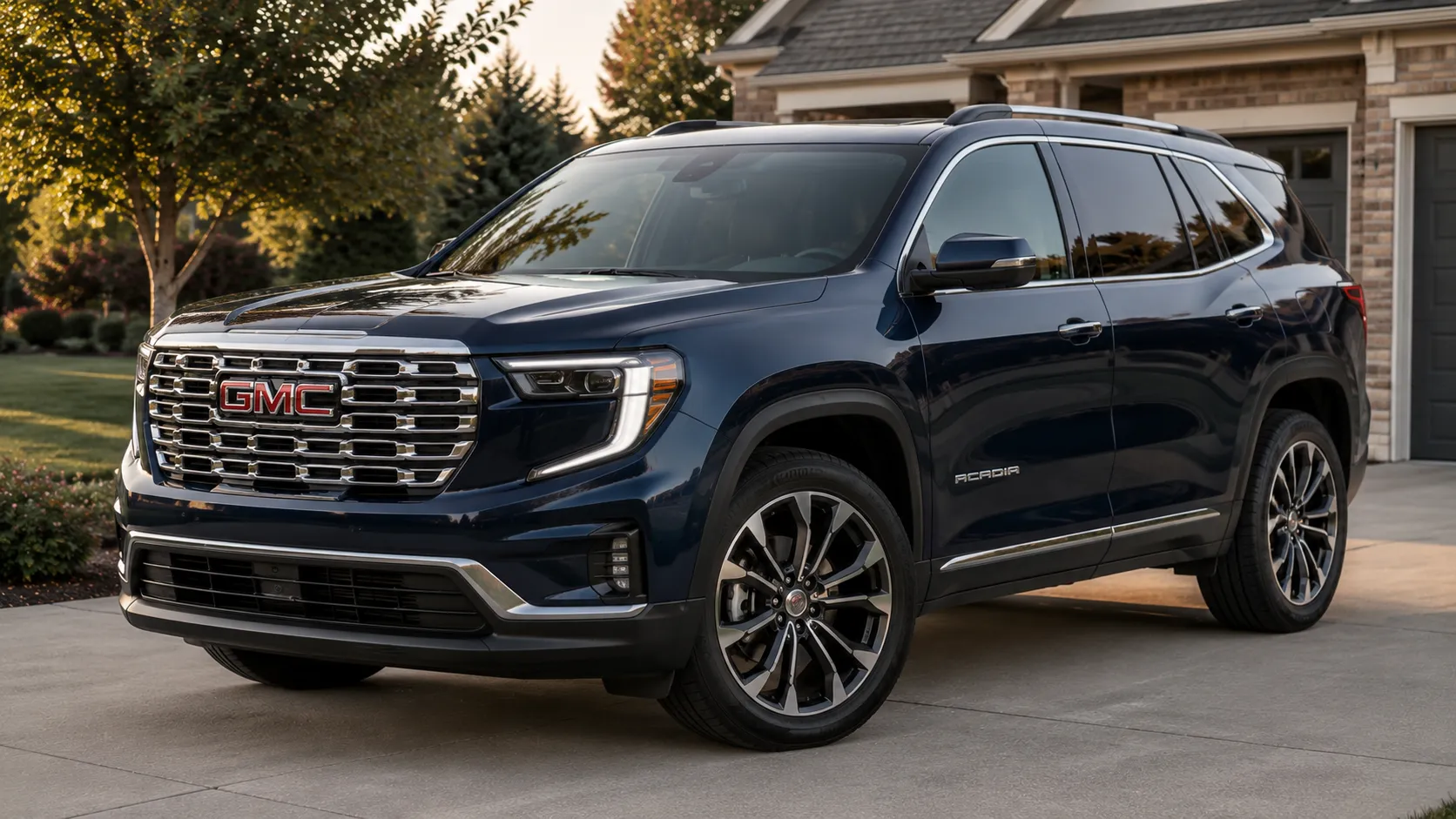
2026 GMC Acadia
$43,800–$65,100
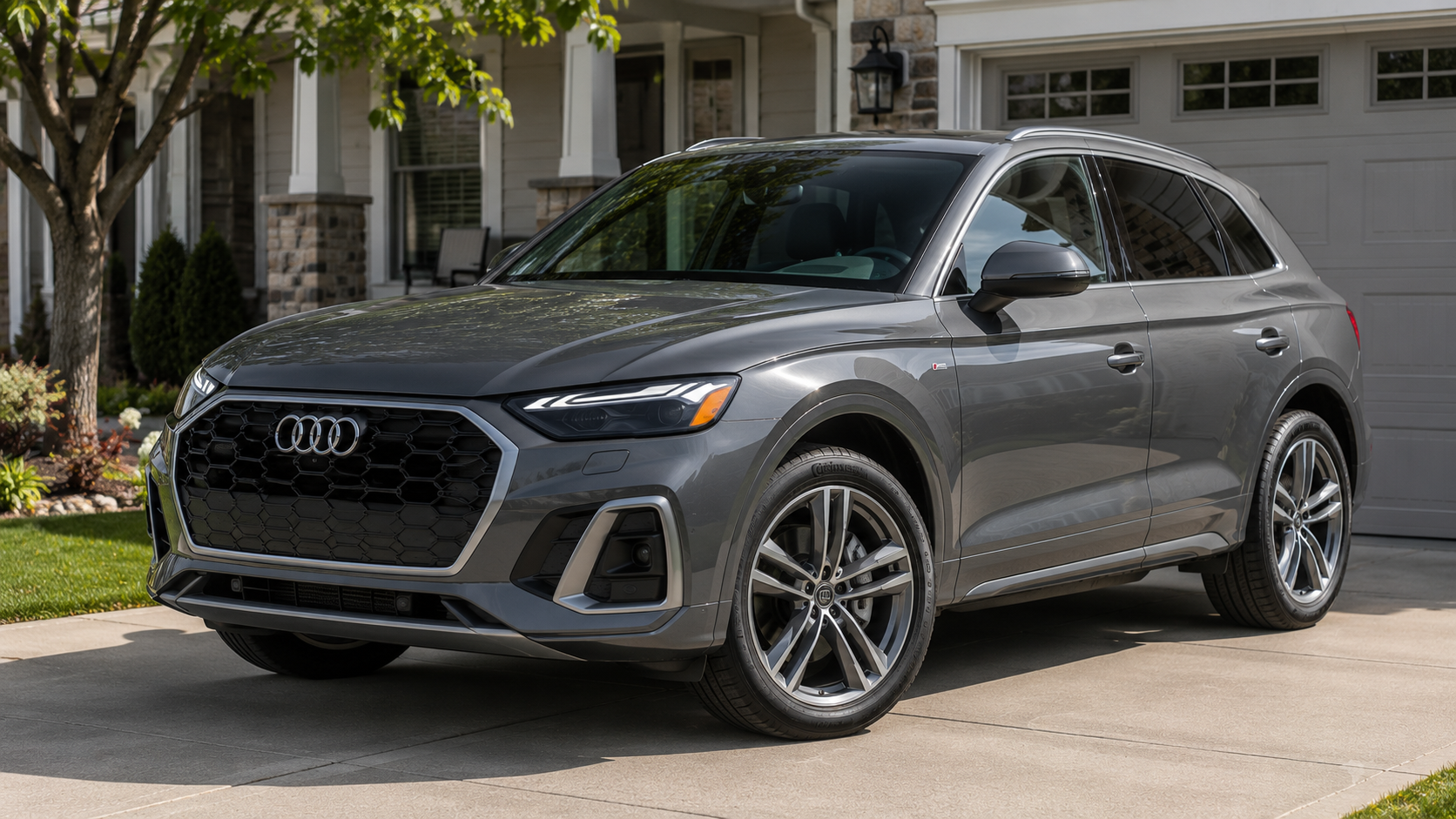
2026 Audi Q5
$52,800–$64,095
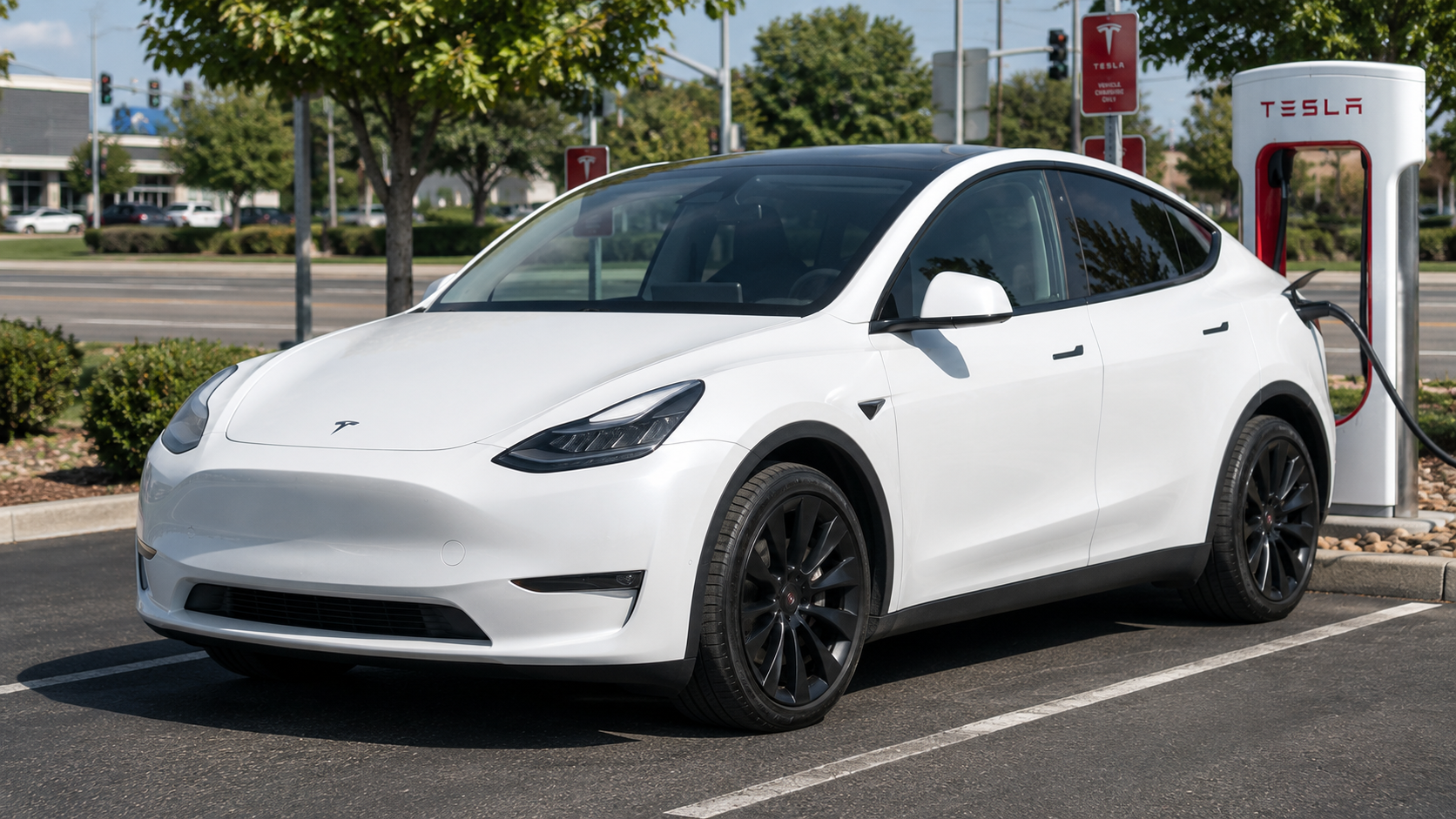
2026 Tesla Model Y
$39,990–$59,630
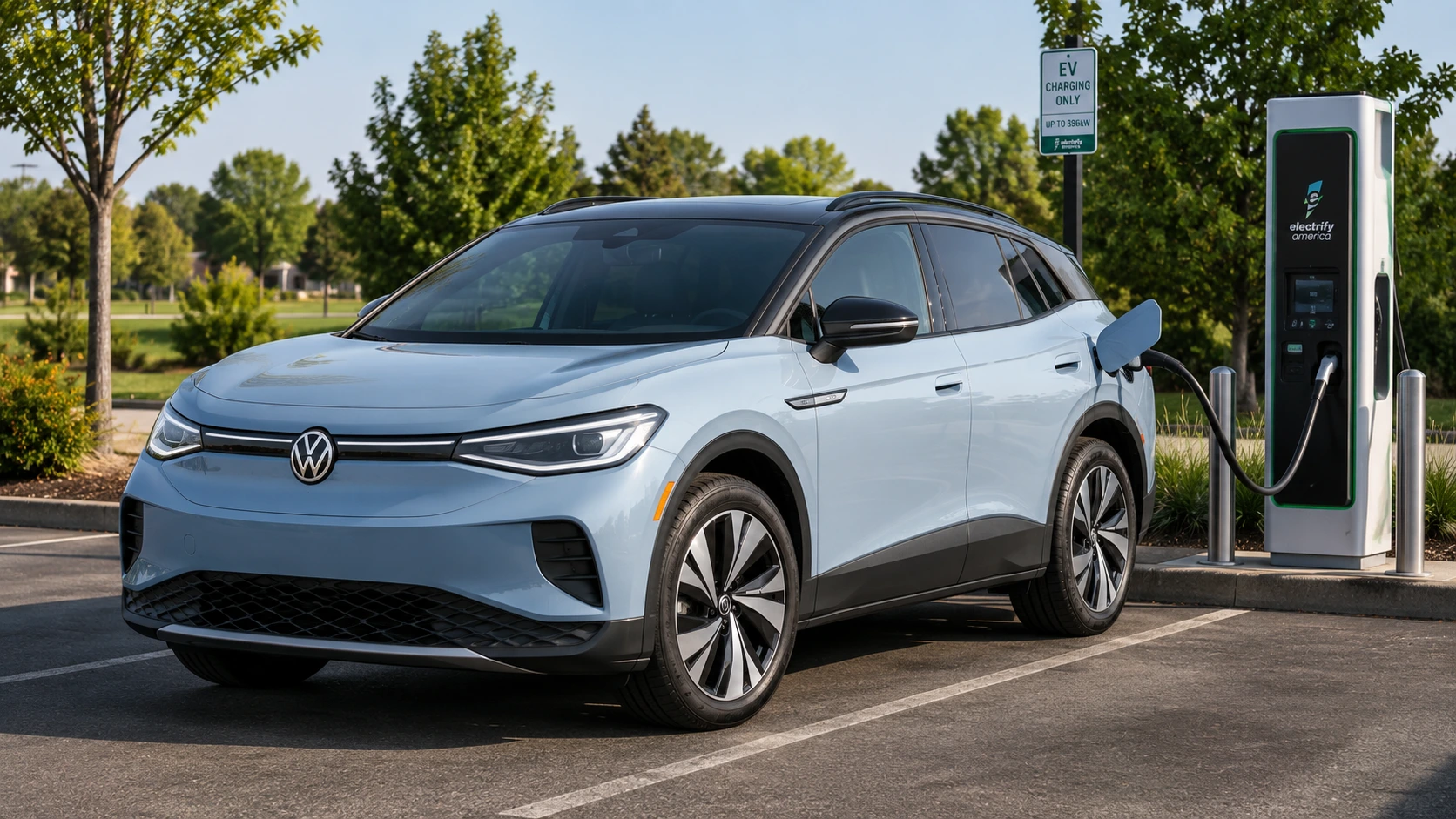
2026 Volkswagen ID.4
$45,095–$57,655
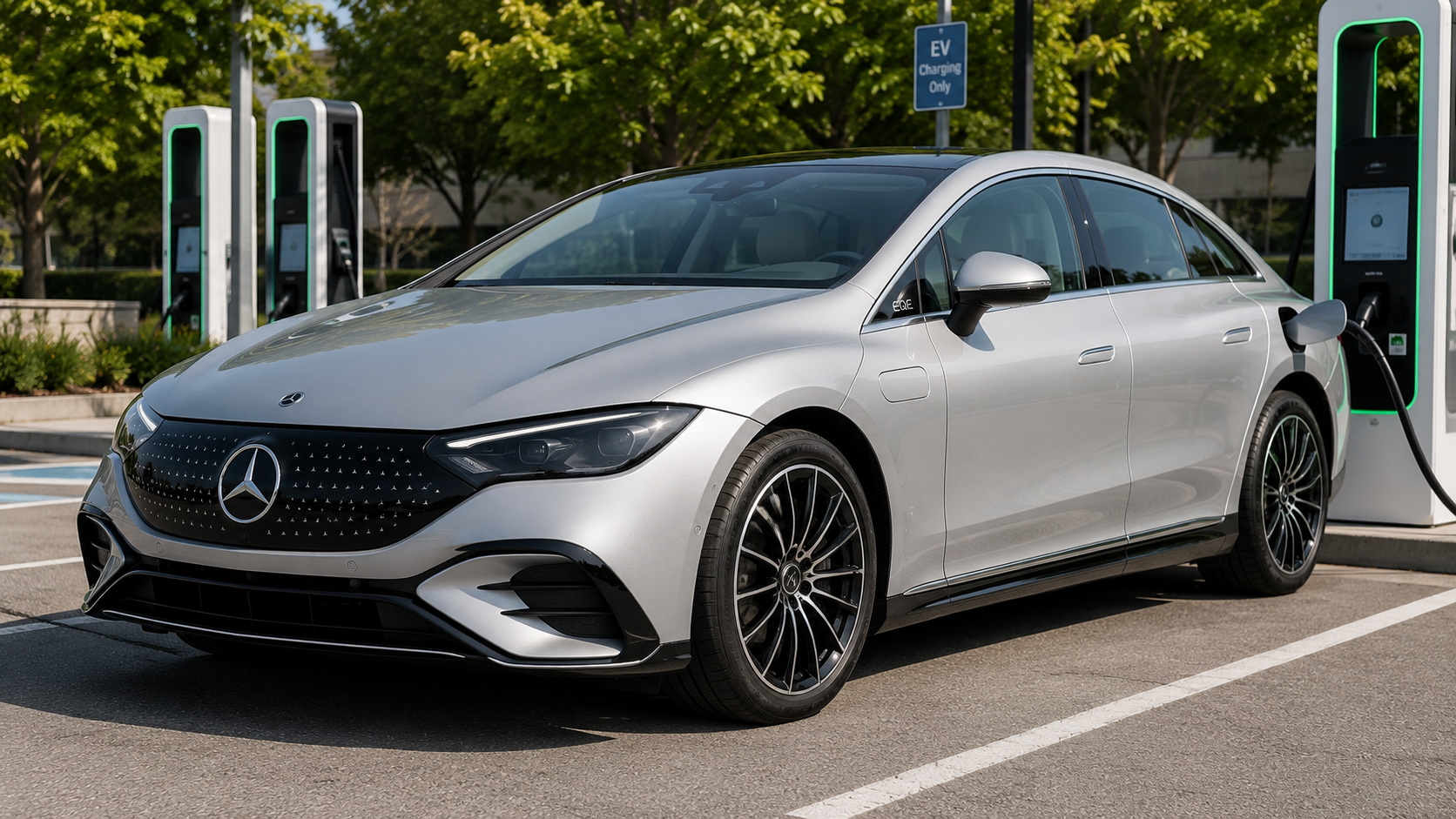
2026 Mercedes-Benz EQE
$66,200–$68,700
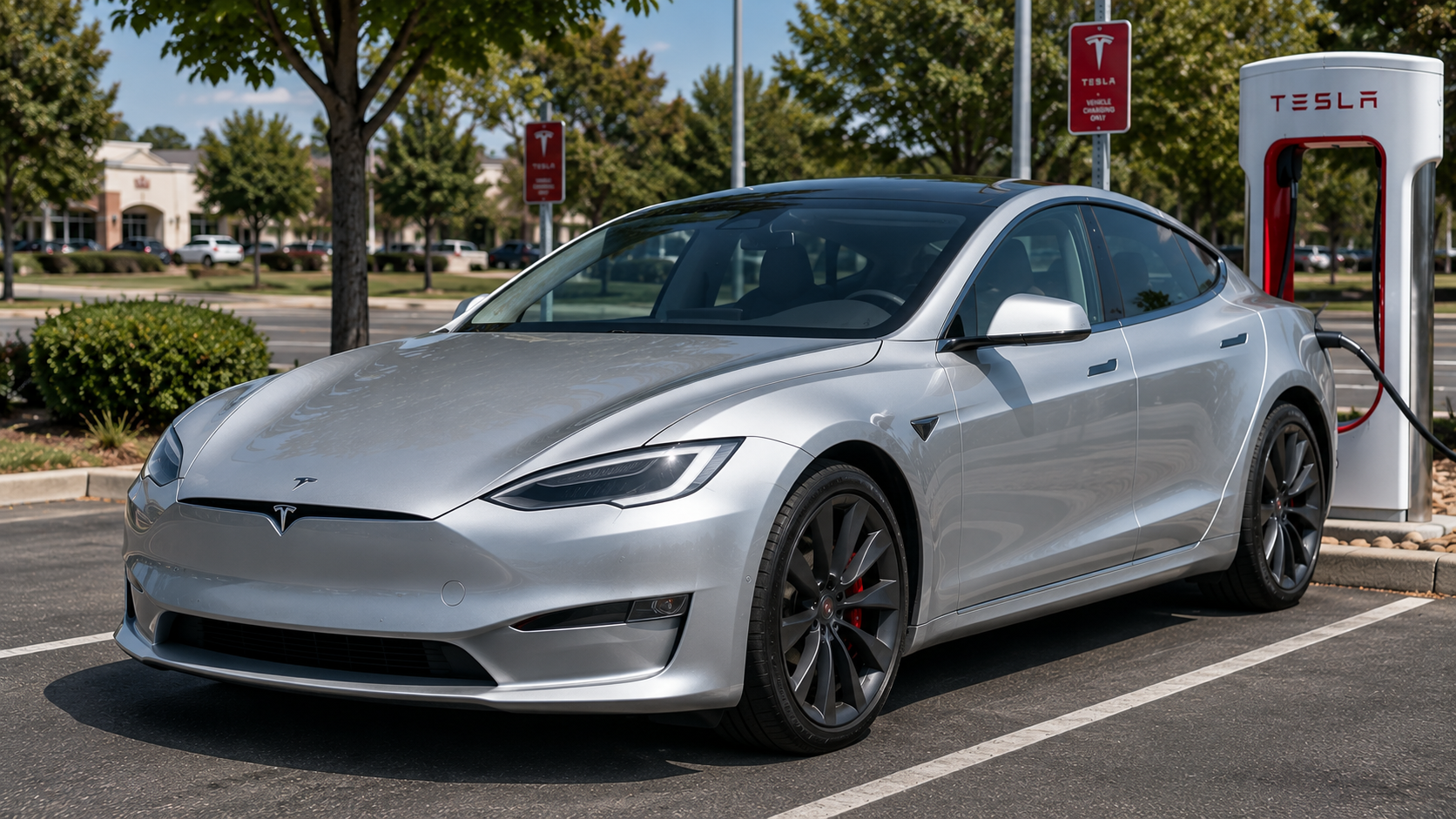
2026 Tesla Model S
$94,990–$104,990
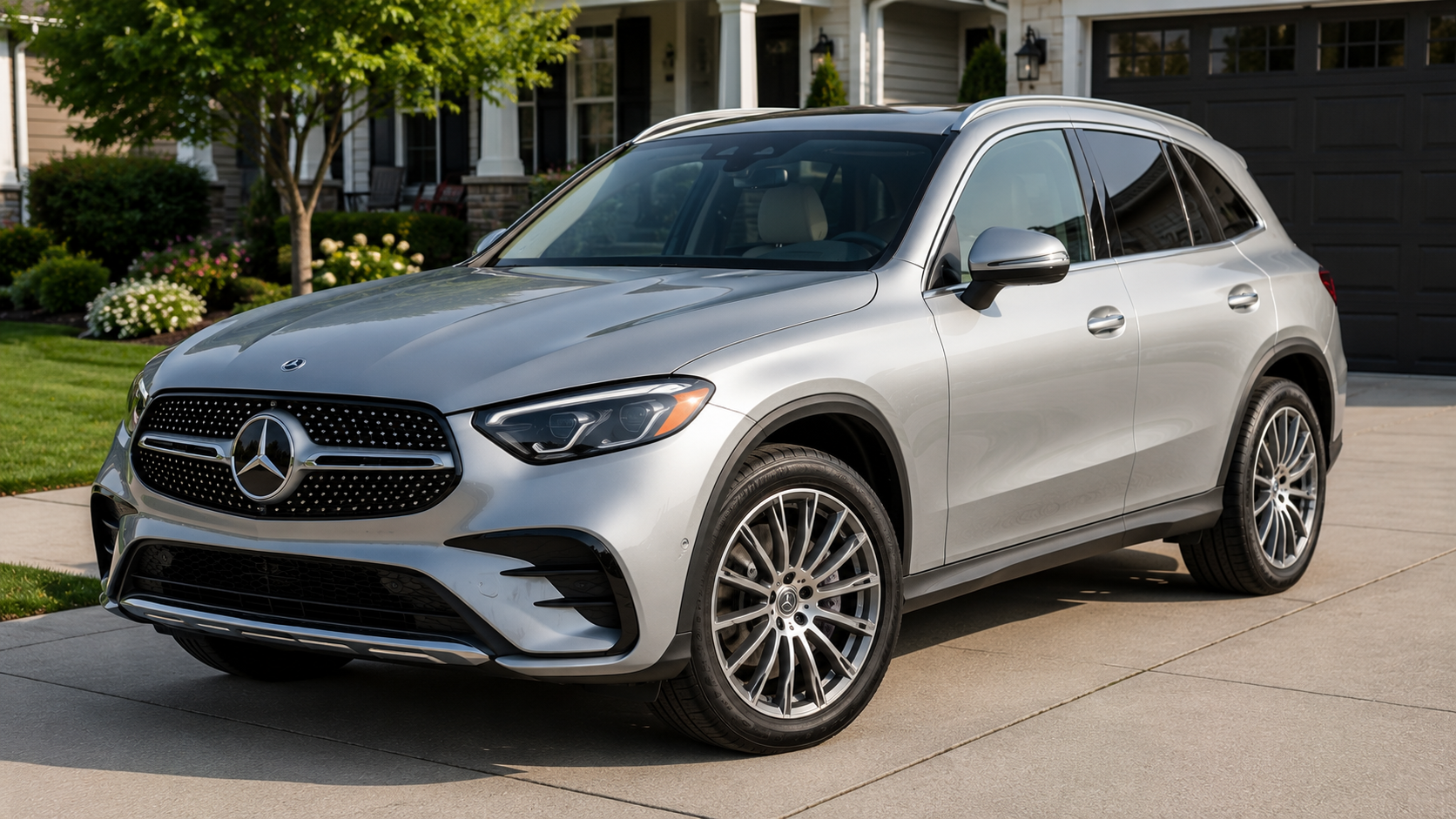
2026 Mercedes-Benz GLC
$50,700–$87,900
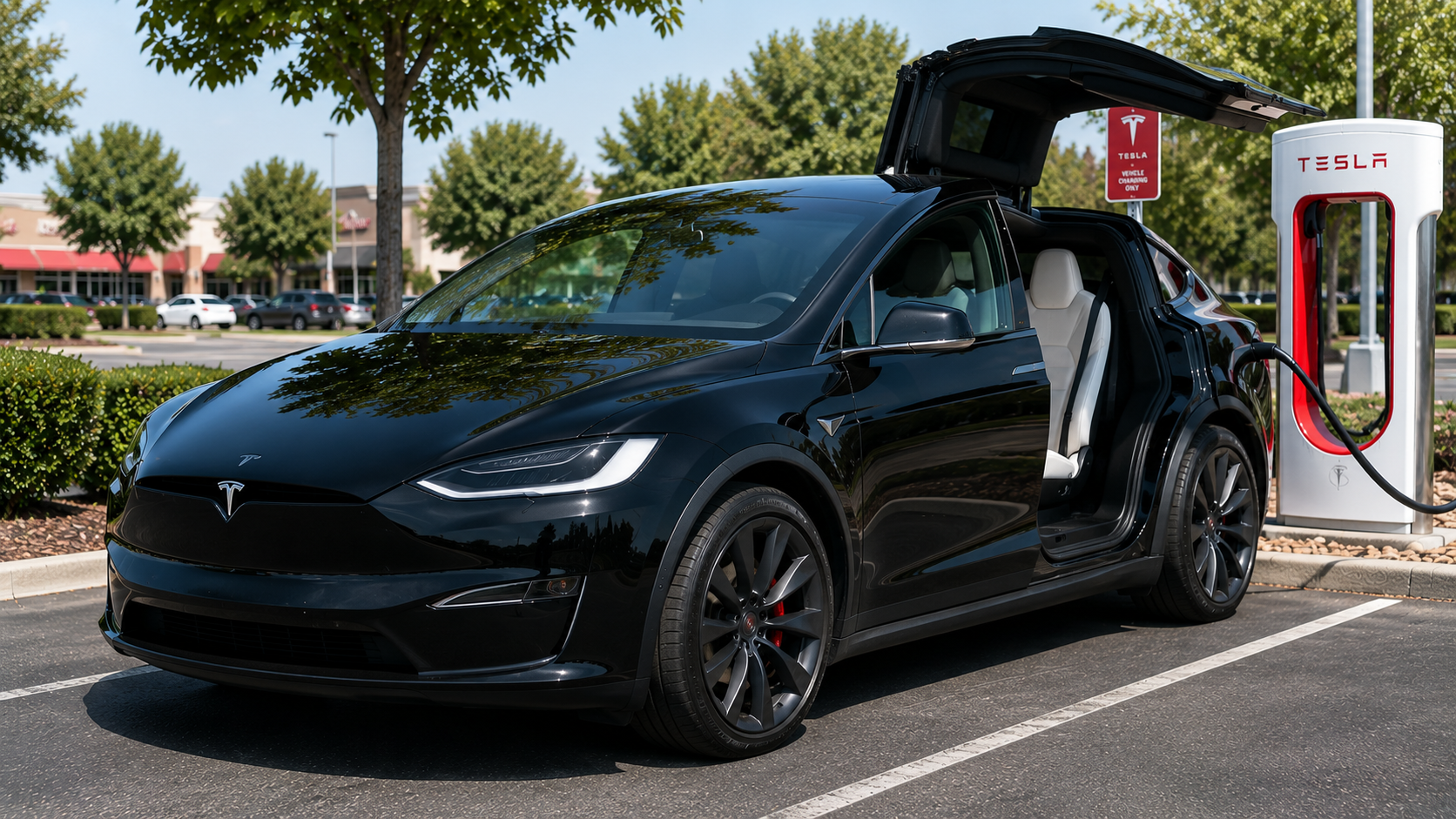
2026 Tesla Model X
$99,990–$114,990
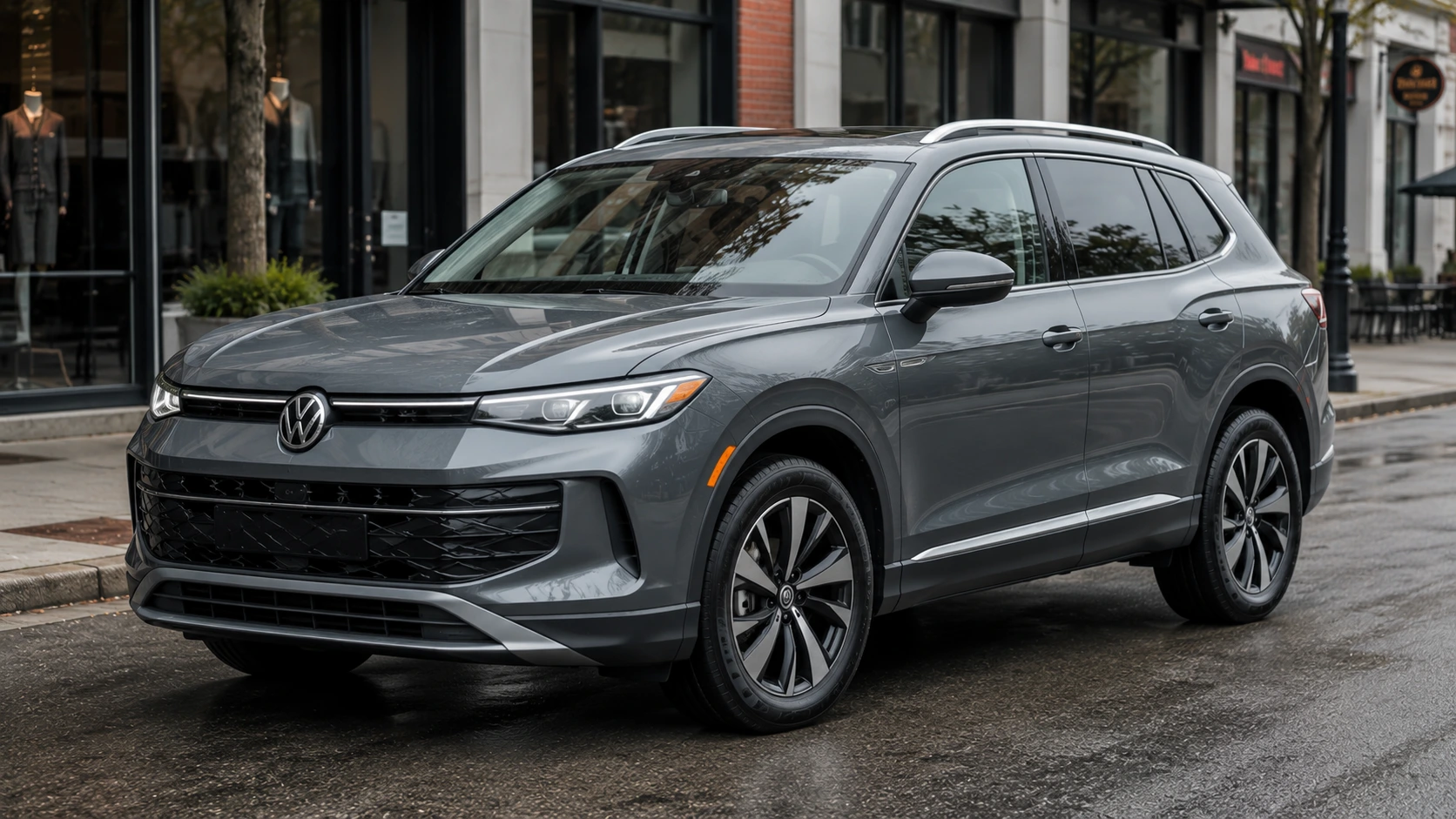
2026 Volkswagen Tiguan
$30,805–$44,560
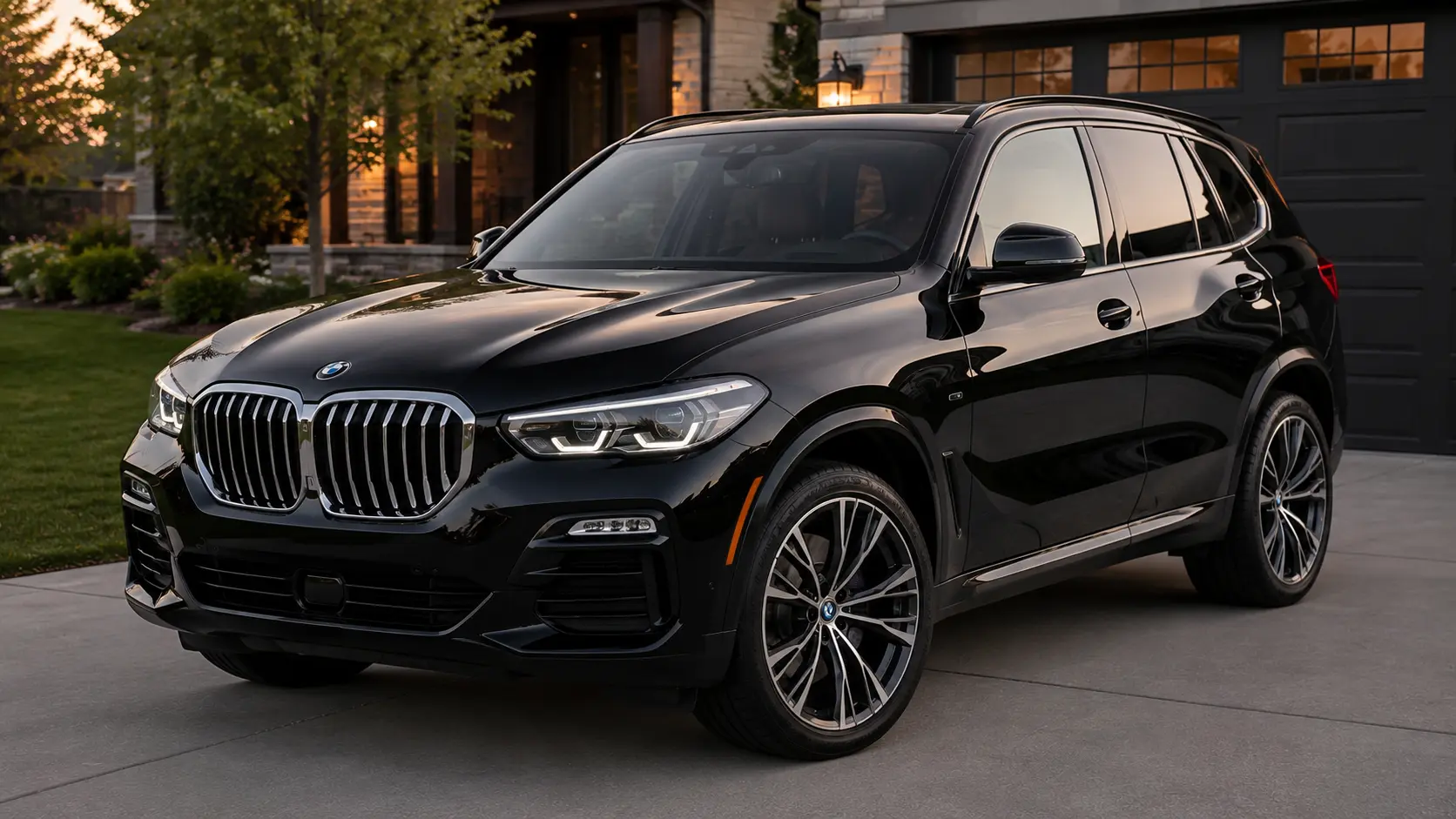
2026 BMW X5
$69,750–$95,050
No vehicles match those filters yet — try clearing one.
How the Buy Score™ is calculated
The Buy Score is a 0-100 number built from six weighted factors: reliability history (25%) — how often this vehicle or brand experiences problems; ownership and repair cost burden (20%) — what it actually costs to keep running; longevity, including our "can this car reach 300,000 miles?" signal (15%); depreciation and resale value (15%); recall severity and frequency at the brand level (15%); and safety ratings (10%). We publish this formula because we think a trust-based site should show its work, not just hand you a number.
What Buy / Consider / Avoid actually means
Every vehicle gets exactly one plain-language verdict alongside its numeric score. Buy (typically a Buy Score of 80+) means the data supports this as a genuinely strong purchase for most buyers in that segment. Consider (55-79) means there's a real strength here, but also a real tradeoff you should understand — often a specific reliability caveat, a recall pattern, or a segment where a competitor scores meaningfully higher. Avoid (under 55) means the data points toward real risk that outweighs the vehicle's strengths for most buyers. We'd rather give you one honest word than a number you have to interpret yourself.
First-Time Buyer Friendly Score
A high Buy Score doesn't automatically mean a car is a good fit for a first-time buyer — a reliable vehicle can still have a steep insurance cost, complex tech, or handling that isn't forgiving for a newer driver. Our First-Time Buyer Friendly Score is a separate 0-100 rating specifically weighing maintenance cost tier, mechanical and tech simplicity, typical insurance cost for that vehicle, and how forgiving the car is to drive (visibility, size, available all-wheel drive).
We're launching with a curated set, and expanding
We've started with a deliberately curated set of the vehicles most first-time and mainstream buyers are actually cross-shopping, each backed by real, sourced reliability and ownership data — not a thin page for every model on the market. We'd rather publish fewer reviews we can stand behind than rush out hundreds built on guesswork. We're actively expanding this library; if you don't see a specific vehicle yet, check back, or let us know through our contact page which one you'd like to see next.
Frequently asked questions
How is the Buy Score calculated?
It's a weighted 0-100 score built from six factors: reliability history (25%), ownership and repair cost burden (20%), longevity/"can it reach 300,000 miles" signal (15%), depreciation and resale value (15%), recall severity and frequency (15%), and safety ratings (10%). We publish the exact weighting because we think a score you can't see the math behind isn't worth much.
What's the difference between Buy, Consider, and Avoid?
Buy (a Buy Score of 80 or higher) means the data supports this as a strong purchase for most buyers in its segment. Consider (55-79) means there's a real strength but also a real, specific tradeoff worth understanding before you commit. Avoid (under 55) means the data points to risk that outweighs the vehicle's strengths for most buyers. Every vehicle gets exactly one of these three words — never a vague "it depends."
What's the First-Time Buyer Friendly Score, and how is it different from the Buy Score?
The Buy Score measures whether a vehicle is a smart purchase in general. The First-Time Buyer Friendly Score is a separate 0-100 rating specifically for newer drivers, weighing typical insurance cost, mechanical and tech simplicity, maintenance cost tier, and how forgiving the car is to drive day-to-day. A vehicle can score well on one and only moderately on the other — a reliable but insurance-expensive sports sedan, for example.
Why don't you have a review for every car yet?
We'd rather launch with a smaller set of reviews we can back with real, sourced reliability and ownership data than publish a thin page for every model on the market. We're actively expanding the library — if there's a specific vehicle you want reviewed, let us know through our contact page.