Tesla Model S: Buy Score, Reliability & Ownership Costs
Electric Luxury Sedan · Sedan
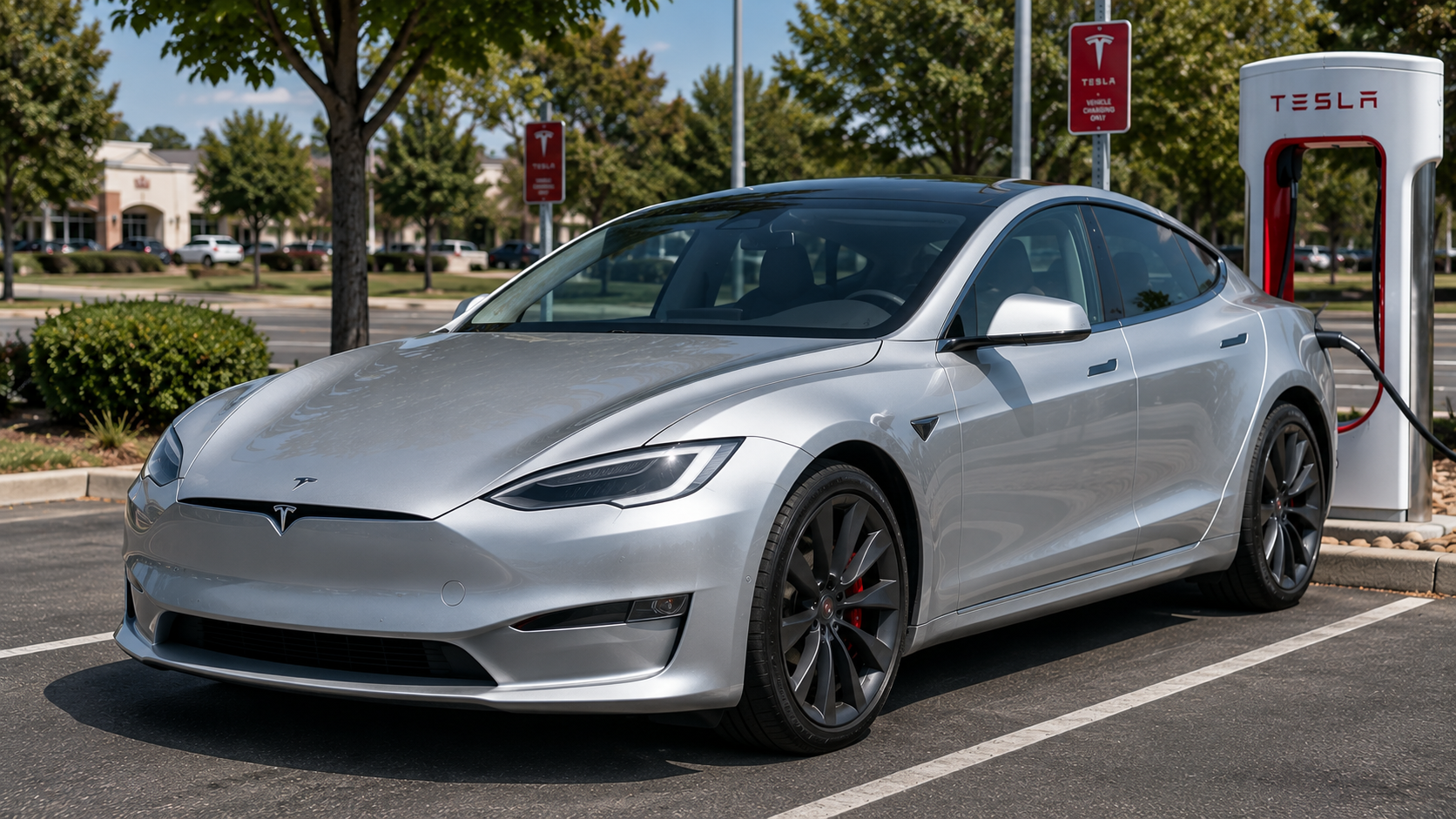

Our Verdict
Based on Tesla's brand-level reliability data, ownership costs, and longevity signals.
Buy Score™
Pros
- Up to 410 miles of EPA range and industry-leading acceleration (2.0-second 0-60 on Plaid)
- New adaptive suspension, adaptive headlights, and extra sound insulation for the final 2026 model year
- Remaining new inventory can potentially be negotiated given production has already ended
Cons
- Production ended in May 2026 — only a few hundred units remain, making this effectively a sold-out nameplate with no future updates
- iSeeCars shows the steepest 5-year depreciation of any vehicle reviewed on this site (65.2%)
- Retractable door-handle motor failures and air-suspension leaks are well-documented owner complaints
- Federal EV tax credit is no longer available for vehicles acquired after September 30, 2025
Can this car reach 300,000 miles?
Unlikely
Tesla ended Model S production in May 2026, with only a few hundred units left in dealer inventory — 2026 was the model's final model year after a 14-year run. Buying one now means buying essentially the last of a discontinued nameplate, which matters as much as any mechanical longevity question.
First-Time Buyer Friendly
25/100Livable, but the complexity or running costs here reward buyers who already have some ownership experience.
Reliability Timeline
What tends to need attention, and when — based on Tesla brand-level reliability data.
30,000 miles
60,000 miles
100,000 miles
150,000 miles
200,000+ miles
What It Actually Costs to Own
iSeeCars shows the steepest 5-year depreciation of any vehicle reviewed on this site (65.2%) — a discontinued nameplate with no future model-year updates to sustain resale confidence. Low 'fuel' cost doesn't offset high insurance and a very high purchase price.
Full Specifications
Check for open recalls before you buy
We don't yet have a live recall feed wired up for the Tesla Model S, so we won't guess at a number here. Before you buy any specific Model S, run its VIN throughNHTSA's free recall lookup tool— it takes about 30 seconds and confirms whether that exact vehicle has any open, unrepaired safety recalls.
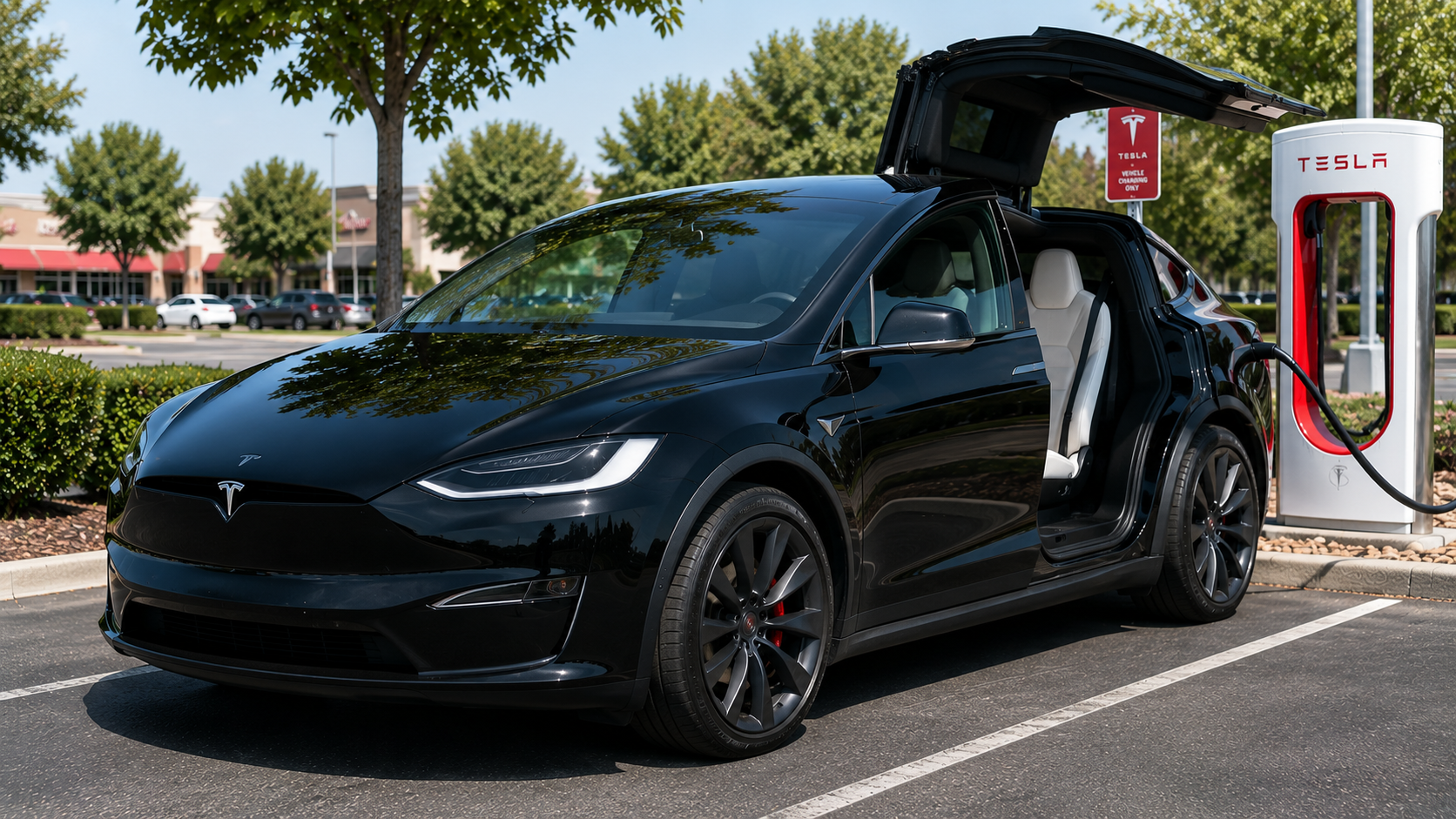
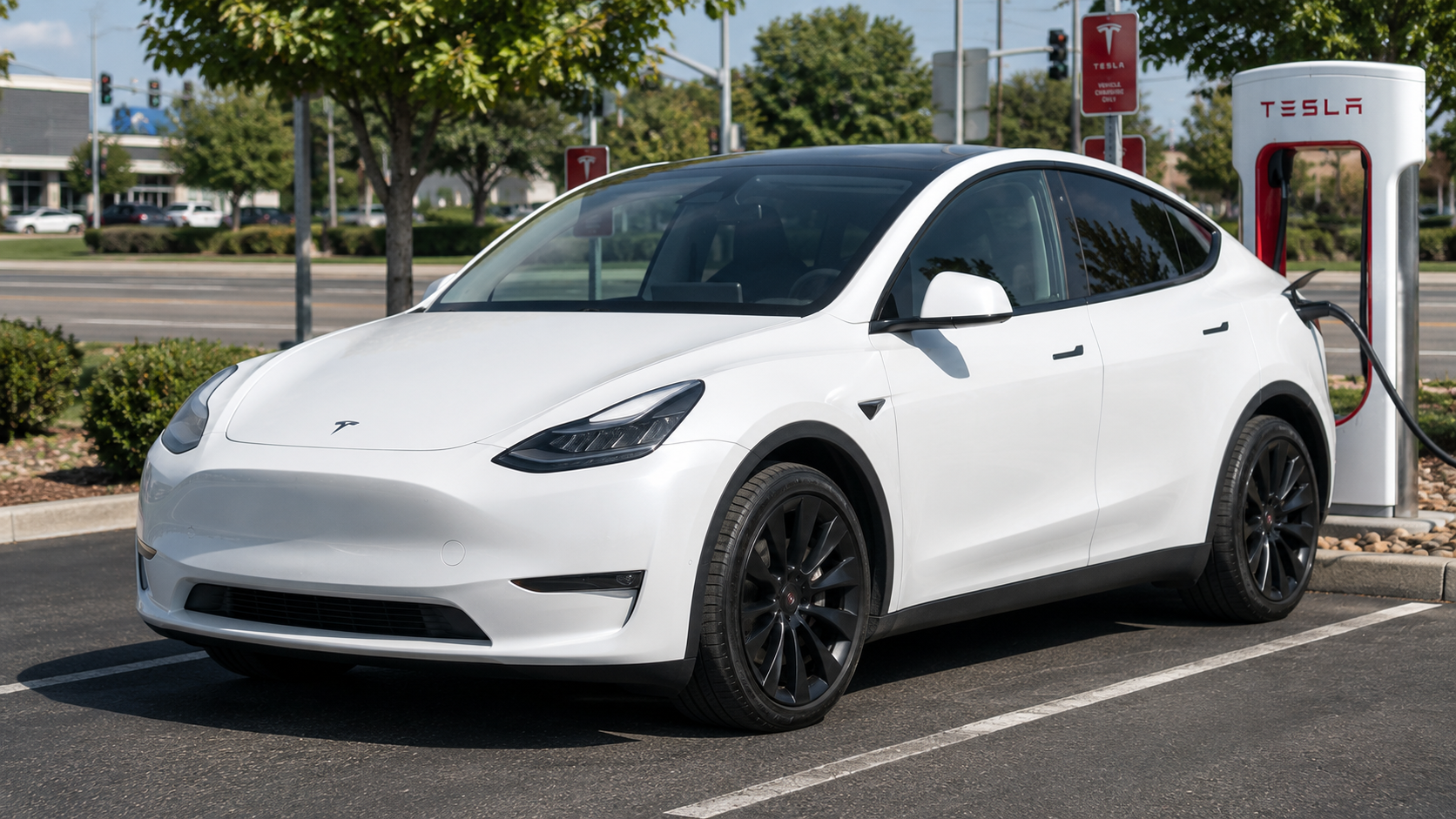
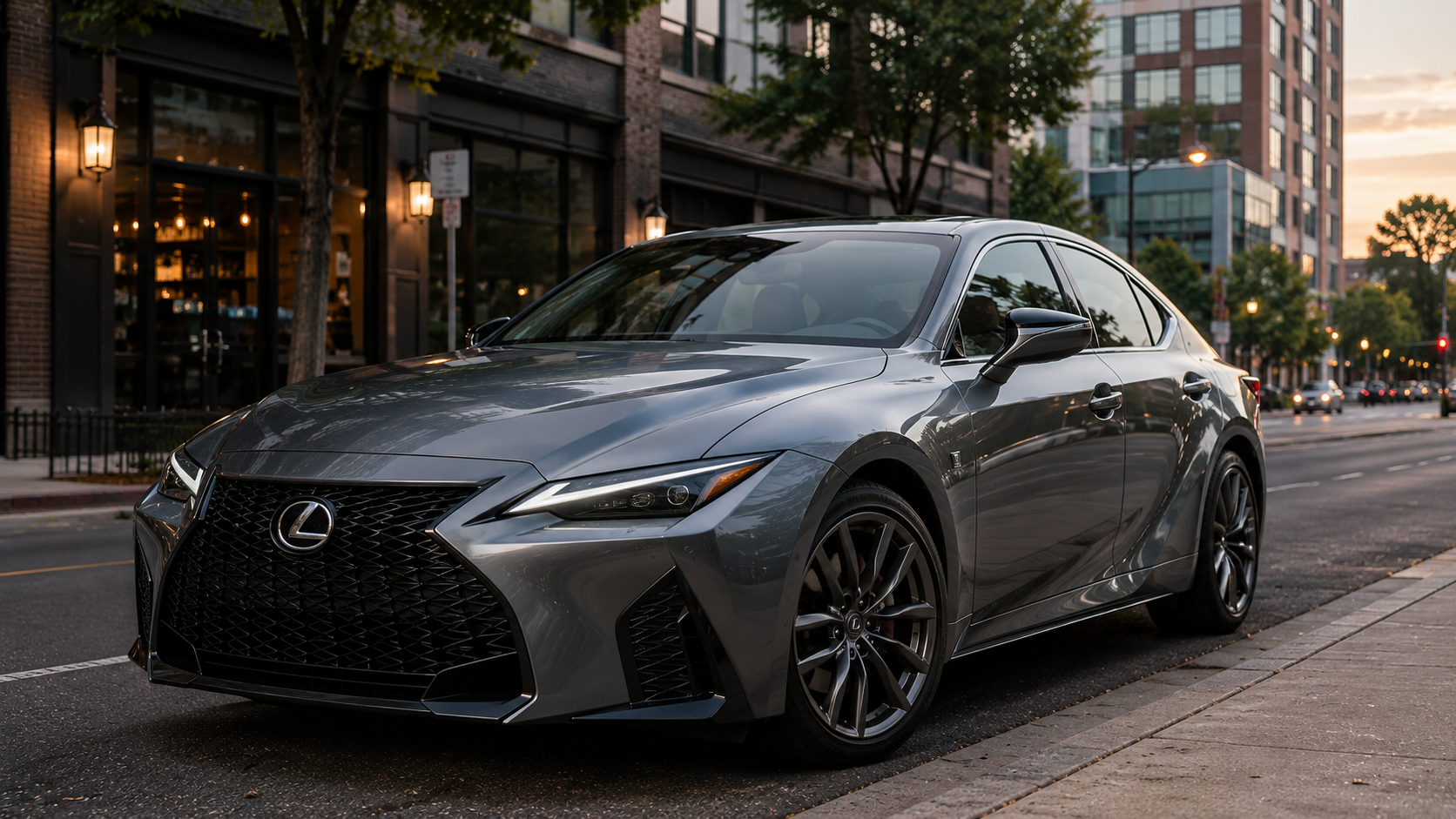
Similar Vehicles
Sources: 2026 MSRP ($94,990-$104,990), 2026 model-year updates (adaptive suspension, sound insulation), and range/power specs: truecar.com and cars.com 2026 Model S pages (live lookup, 2026). Model S production ending May 2026 after a 14-year run, only a few hundred remaining units: pedalcommander.com, autoblog.com, and teslamotorsclub.com coverage (live lookup, 2026). Door-handle motor failure and air-suspension leak complaints: pimpmyev.com and vigorairride.com Model S common-problems pages (live lookup, 2026). iSeeCars 5-year depreciation (65.2%, highest of any vehicle in this research): recharged.com Tesla depreciation-rate coverage citing iSeeCars data (live lookup, 2026). Federal EV tax credit expiration for vehicles acquired after September 30, 2025: consistent with the existing published Tesla Model 3 page's sourcing on this point (existing doc + live lookup, 2026).